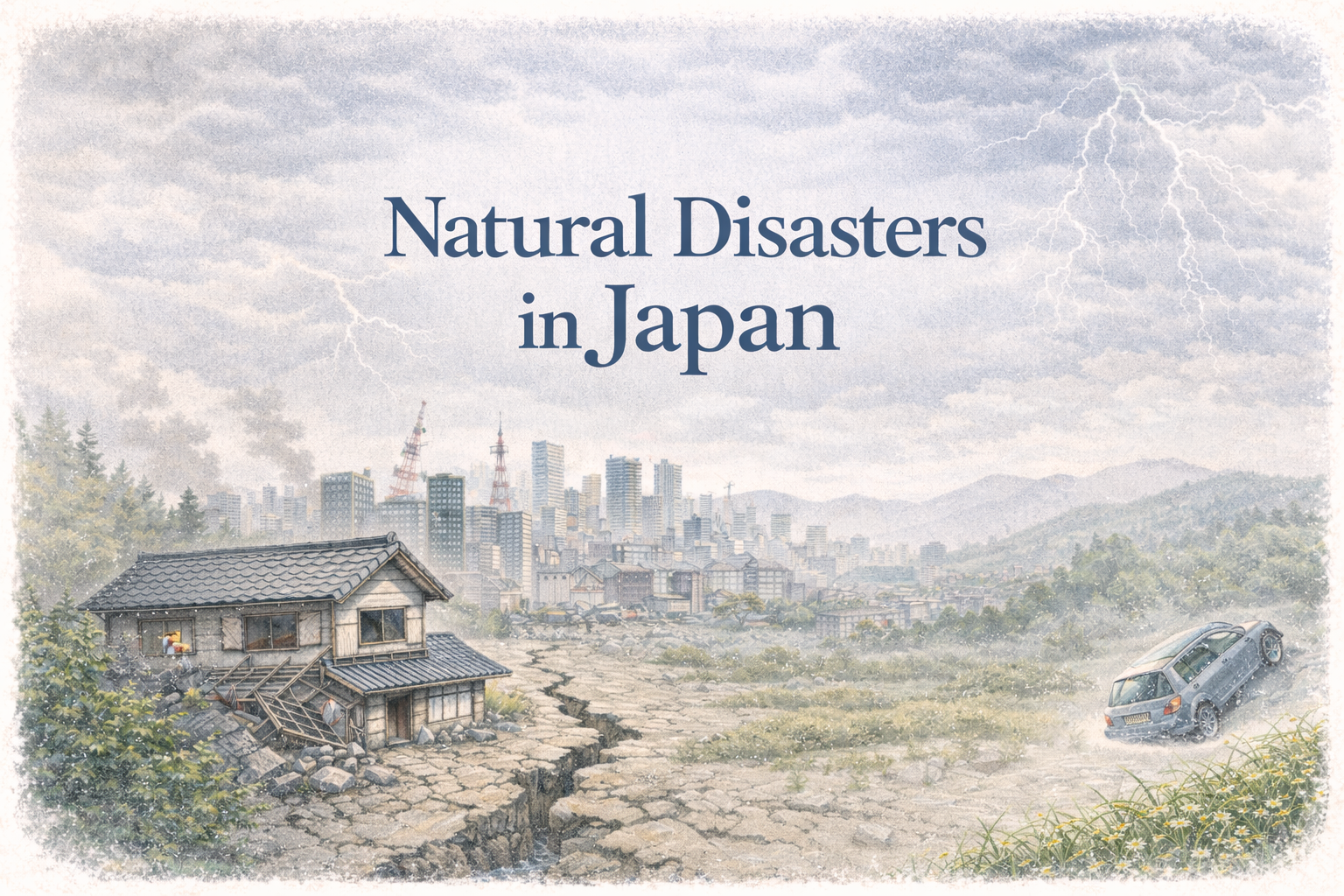
Japan is blessed with beautiful nature, but at the same time, it has geographical conditions that make it prone to many natural disasters. Earthquakes, typhoons, floods, snow damage, and various other disasters occur frequently, each time having a significant impact on people’s lives, infrastructure, and economic activities.
This article introduces the main natural disasters likely to occur in Japan, their characteristics, causes, and approaches to disaster preparedness.
- Earthquakes and Tsunamis | Japan at the Boundaries of Tectonic Plates
- Landslide Disasters | Risks of Japan’s Mountainous and Rainy Terrain
- Meteorological Disasters | Threats From Wind, Rain, and Snow
- Snow Disasters | Risks of Heavy Snowfall and Avalanches
- Drought and Cold Weather Damage | Abnormal Weather That Hits Agriculture
- Environmental Destruction | Human-Induced Hazards
- Conclusion
Earthquakes and Tsunamis | Japan at the Boundaries of Tectonic Plates
Earthquakes
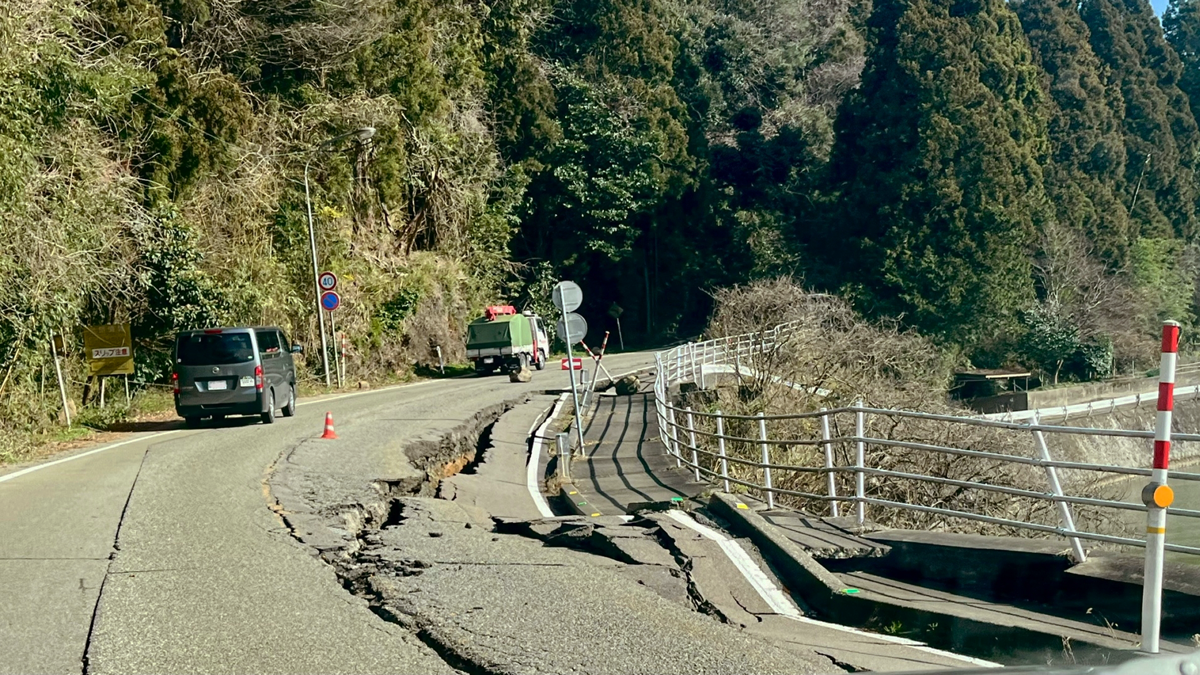
Japan is located at the junction of four tectonic plates, making it one of the most earthquake-prone countries in the world. It is said that about 10% of the world’s earthquakes occur in and around Japan.
Major past earthquakes:
- 1995: Great Hanshin-Awaji Earthquake (M7.3)
- 2011: Great East Japan Earthquake (M9.0)
- 2024: Noto Peninsula Earthquake (M7.6)
Earthquakes strike suddenly and cause building collapses, fires, and disruption to transportation systems.
Tsunamis
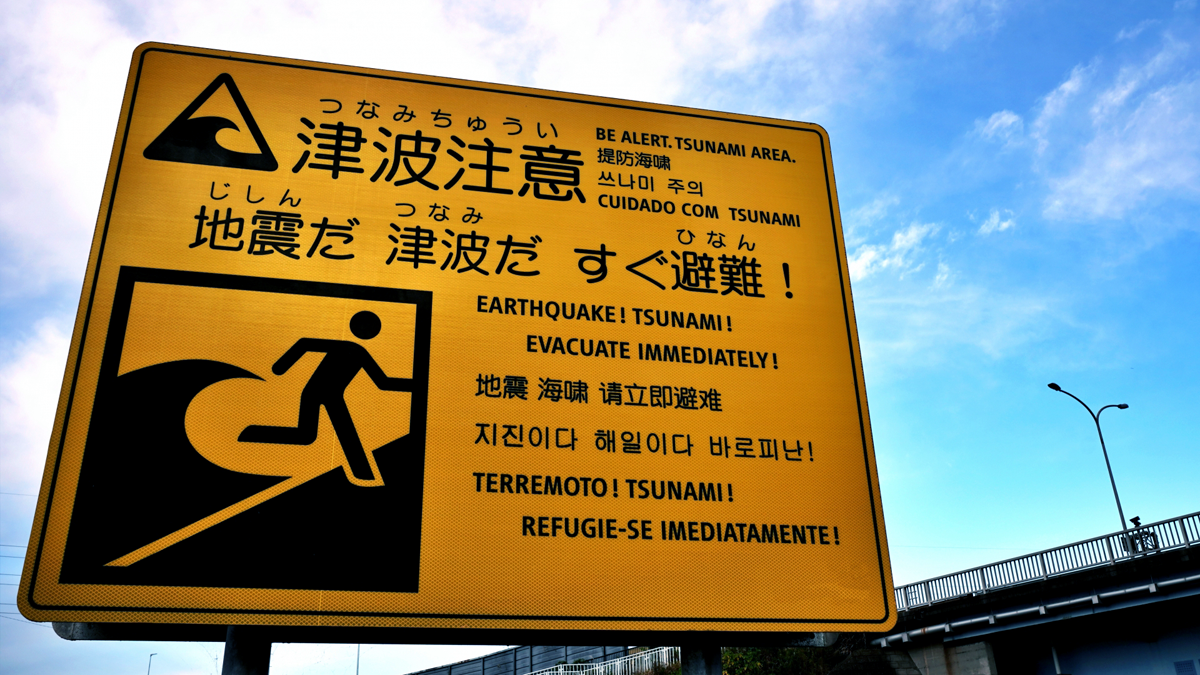
Large earthquakes under the sea cause tsunamis. In the Great East Japan Earthquake, waves over 10 meters high struck the Tohoku coast, causing catastrophic damage.
Features of tsunamis:
- Unlike ordinary waves, the whole sea seems to surge inland.
- Later waves can be higher than the first.
- Extremely high risk of death if evacuation is delayed.
In coastal areas, tsunami warnings and evacuation drills are a part of daily life.
Landslide Disasters | Risks of Japan’s Mountainous and Rainy Terrain
Landslides, Mountain Collapses, and Debris Flows
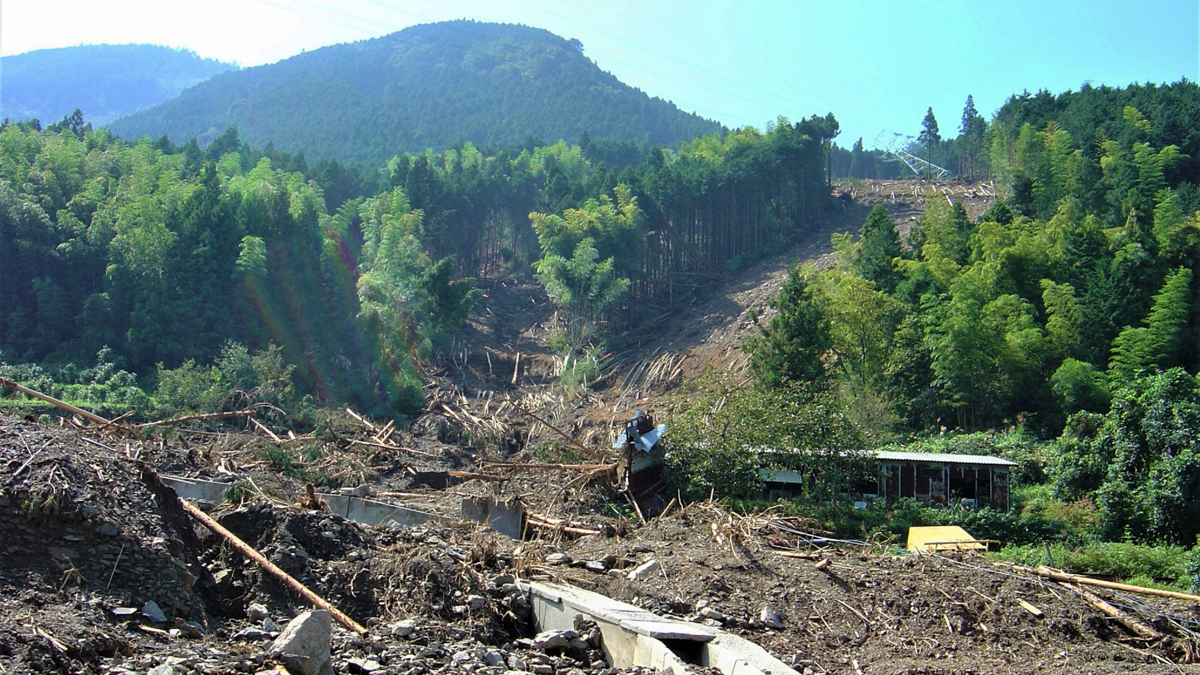
About 70% of Japan’s land is mountainous, and many people live on sloped terrain, making landslides common. They are especially likely after heavy rain or earthquakes and are difficult to predict.
- Landslide: The ground slowly slides downwards.
- Mountain collapse: A slope collapses all at once.
- Debris flow: Mud and rocks mixed with water flow down like a river.
During the rainy season and typhoon season each year, landslide alerts are issued nationwide, and evacuation orders are often given by local governments.
Meteorological Disasters | Threats From Wind, Rain, and Snow
Typhoons
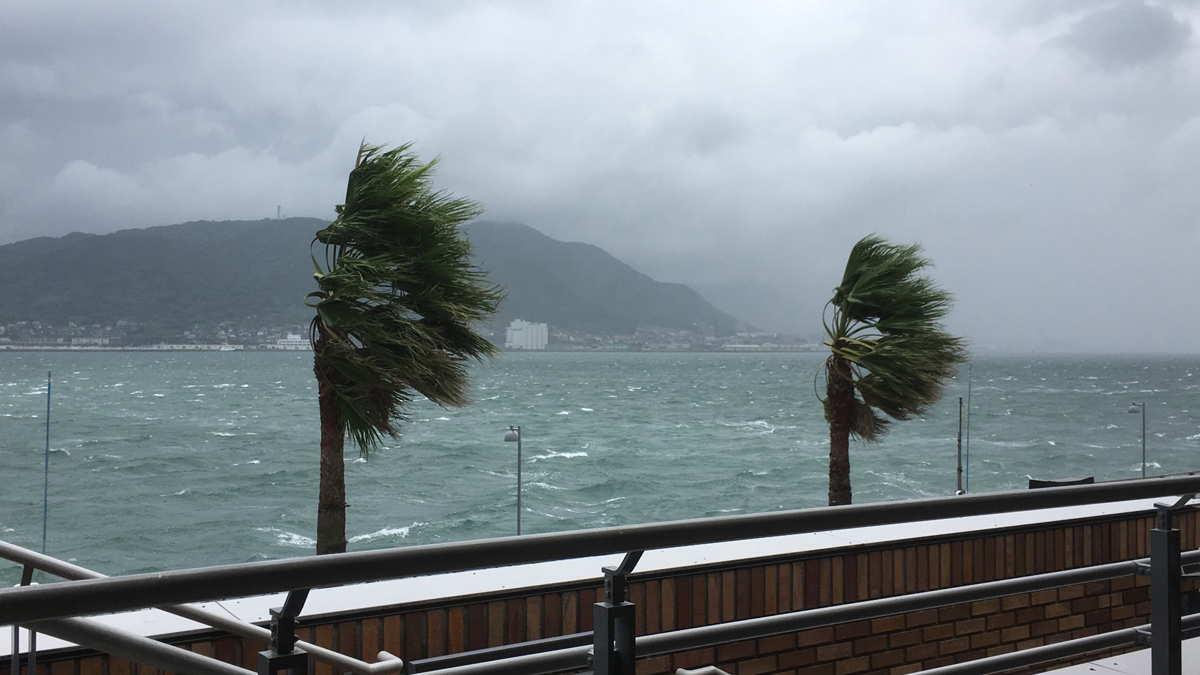
Typhoons are intense tropical cyclones that develop over warm seas. Around 10 typhoons approach or make landfall in Japan each year.
Main damage: Strong winds causing tree falls, building destruction, blackouts, storm surges, and floods.
Notable examples:
- 2018: Typhoon No. 21 (flooding at Kansai International Airport)
- 2019: Typhoon No. 19 (record-breaking rainfall in eastern Japan)
Heavy Rain (Guerrilla Downpours)

Recently, short bursts of extremely heavy rainfall have been increasing, especially in urban areas where drainage systems cannot cope, leading to flooding.
Characteristics:
- Over 100 mm of rain within an hour
- Sometimes accompanied by lightning, gusts, or hail
Floods and Storm Surges
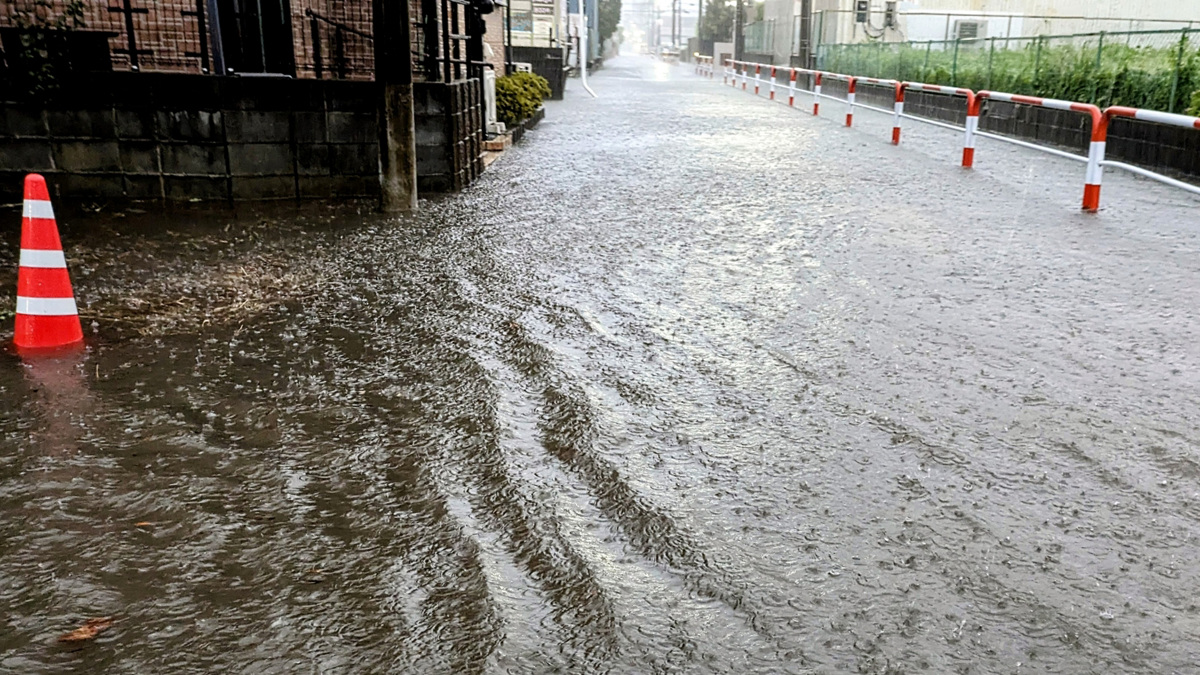
Floods occur when rivers overflow, devastating farmland and residential areas.
Storm surges happen when typhoons or strong winds abnormally raise sea levels, pushing water inland and sometimes breaching levees.
Recently, subway and underground shopping mall flooding has become a social issue.
Snow Disasters | Risks of Heavy Snowfall and Avalanches
Snowfall

On the Sea of Japan side (Niigata, Yamagata, Toyama, etc.), huge amounts of snow fall in winter. Some of these areas are among the snowiest regions in the world, with over one meter of snow in a single night.
Damage caused by snow:
- Transportation paralysis (shinkansen, expressways, airports closed)
- Accidents during snow removal from rooftops
- Villages isolated due to heavy snow
Avalanches
Snow sometimes slides down slopes in an avalanche, causing fatal accidents in ski resorts or mountains. They are likely to occur after heavy snowfall or on warm days.
Drought and Cold Weather Damage | Abnormal Weather That Hits Agriculture
Droughts
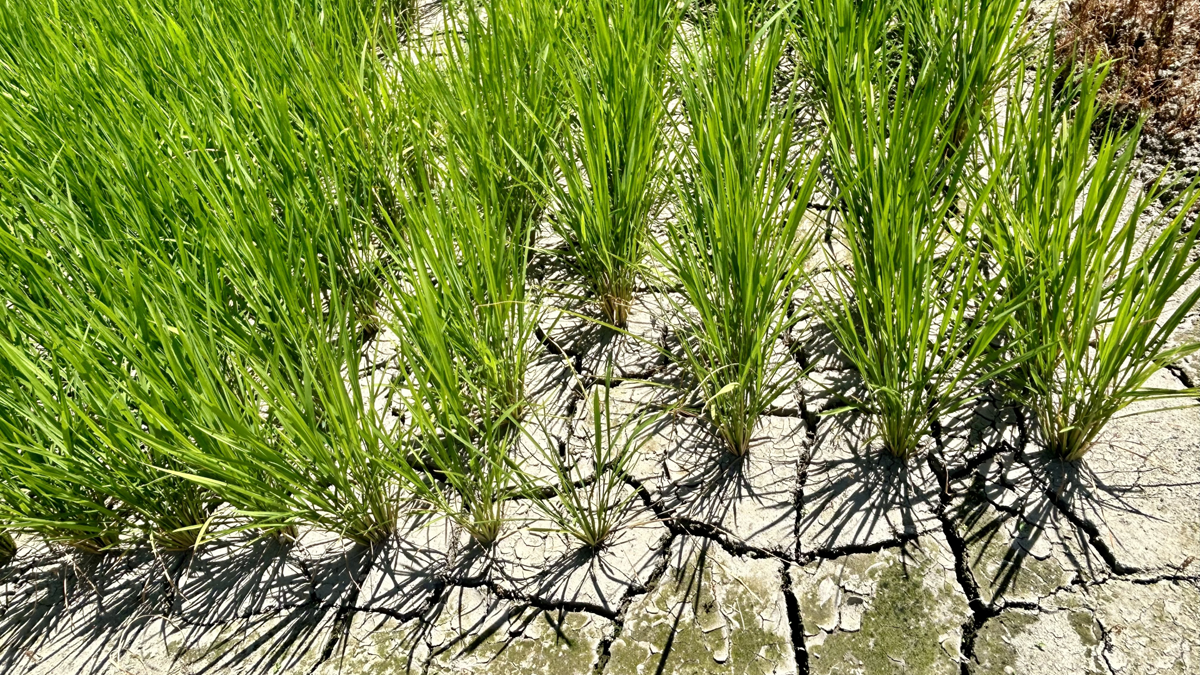
Drought refers to prolonged periods without rainfall leading to water shortages. Although not frequent in Japan, some years dams dry up and water restrictions are imposed.
Main impacts: Poor crop growth, water supply restrictions, and reduced hydroelectric power generation.
Cold Weather Damage
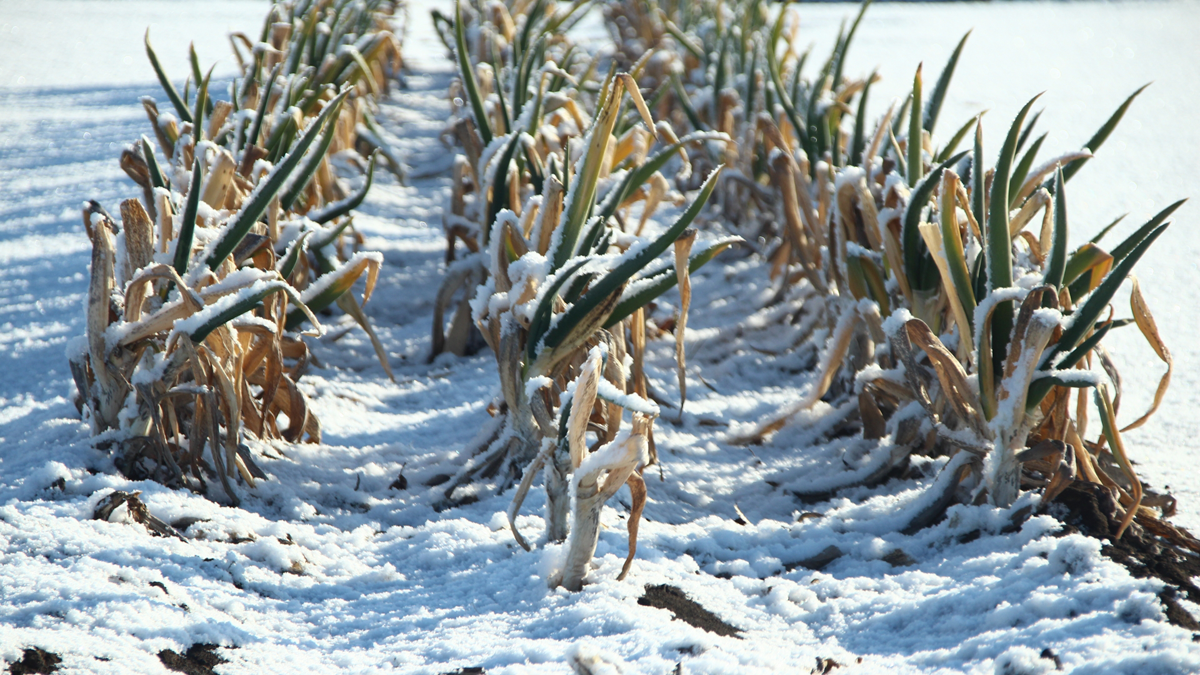
Cold weather damage occurs when summer temperatures are abnormally low, reducing crop yields, especially rice.
Historic example:
- 1993: A cold summer caused a nationwide rice crop failure, requiring emergency rice imports.
Causes include low temperatures, insufficient sunlight, and prolonged rainy seasons.
Environmental Destruction | Human-Induced Hazards
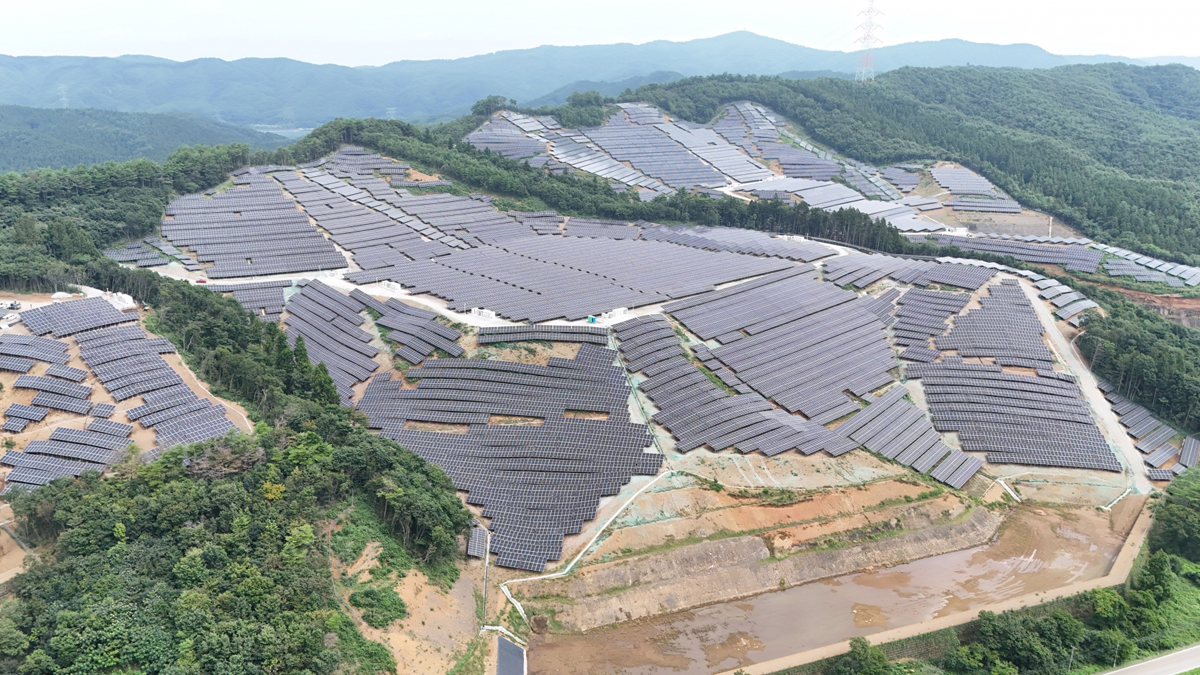
Although somewhat different from natural disasters, “environmental destruction” is also a factor that increases disaster risks.
Examples:
- Deforestation increasing the risk of landslides
- Excessive development causing land subsidence and floods
- Global warming leading to rising sea levels and stronger typhoons
These issues highlight the need for a sustainable society.
Conclusion
Throughout the year, Japan faces many kinds of natural disasters. In addition to sudden events such as earthquakes and typhoons, there are landslides, floods, and snow-related disasters closely tied to Japan’s climate and geography.
Japan continues to advance disaster prevention education and infrastructure development. Rather than resigning to disasters as unavoidable, efforts are made to minimize damage through preparedness.
For visitors to Japan, understanding natural disasters is also essential information for a safe stay.


Comments