Japan is home to a wide range of natural environments, including volcanoes, forests, seas, and wetlands. Among these, places recognized as having outstanding universal value are registered as “natural heritage” sites, where protection and preservation efforts are made.
This article explains what natural heritage means through international treaties, introduces Japan’s registered natural heritage sites, and also touches on cultural heritage for comparison.
The World Heritage Convention
The term “World Heritage” was established under the “Convention Concerning the Protection of the World Cultural and Natural Heritage,” adopted by UNESCO (the United Nations Educational, Scientific and Cultural Organization) in 1972. This is commonly referred to as the World Heritage Convention.
The purpose of this treaty is to protect valuable cultural and natural properties across borders and to pass them on to future generations. World Heritage sites are classified into three categories:
- Cultural Heritage: Historical buildings, religious sites, castles, ruins (e.g., the Pyramids, temples and shrines of Kyoto)
- Natural Heritage: Natural features such as volcanoes, forests, ecosystems (e.g., Grand Canyon, Shirakami-Sanchi)
- Mixed Heritage: Sites with both cultural and natural value (none in Japan)
Japan ratified the treaty in 1992, and since then, multiple heritage sites have been registered.
The Ramsar Convention
The Ramsar Convention is an international treaty aimed at the conservation and wise use of wetlands. It was adopted in 1971 in Ramsar, Iran. Its full name is the “Convention on Wetlands of International Importance especially as Waterfowl Habitat.”
Wetlands play many roles: as reservoirs of biodiversity, flood control, and groundwater recharge. Japan joined in 1980, and as of 2025, 53 wetlands have been registered under this convention (examples include Kushiro Marsh, Izunuma, Lake Biwa).
Although separate from the framework of World Heritage, Ramsar sites are internationally recognized as valuable natural environments.
World Heritage Sites in Japan (as of 2025)
As of 2025, 25 sites from Japan are listed on UNESCO’s World Heritage List. Of these, 5 are natural heritage sites, and 20 are cultural heritage sites. These are briefly introduced below.
Natural Heritage Sites (5 total)
Japan’s natural heritage sites are notable for island ecosystems, volcanoes, forests, and wetlands.
1. Shirakami-Sanchi (registered 1993) –
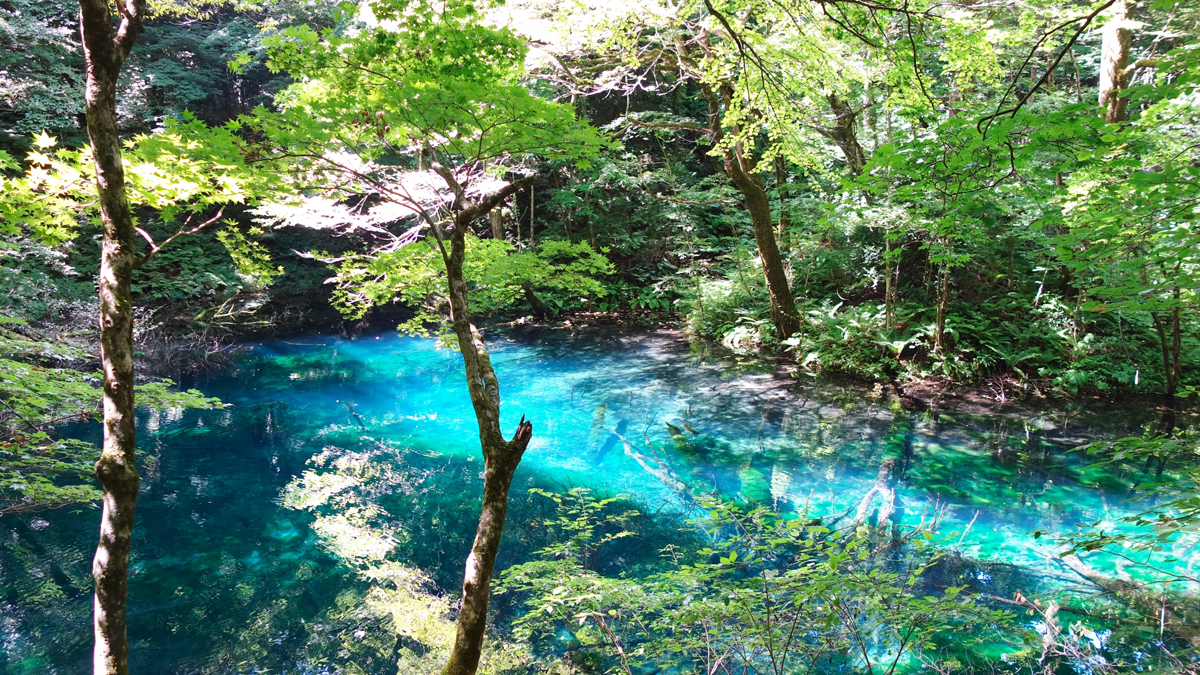
Straddling Aomori and Akita prefectures, this is one of the largest remaining beech forests in East Asia, largely untouched by human activity, and home to many endemic species.
2. Yakushima (registered 1993)
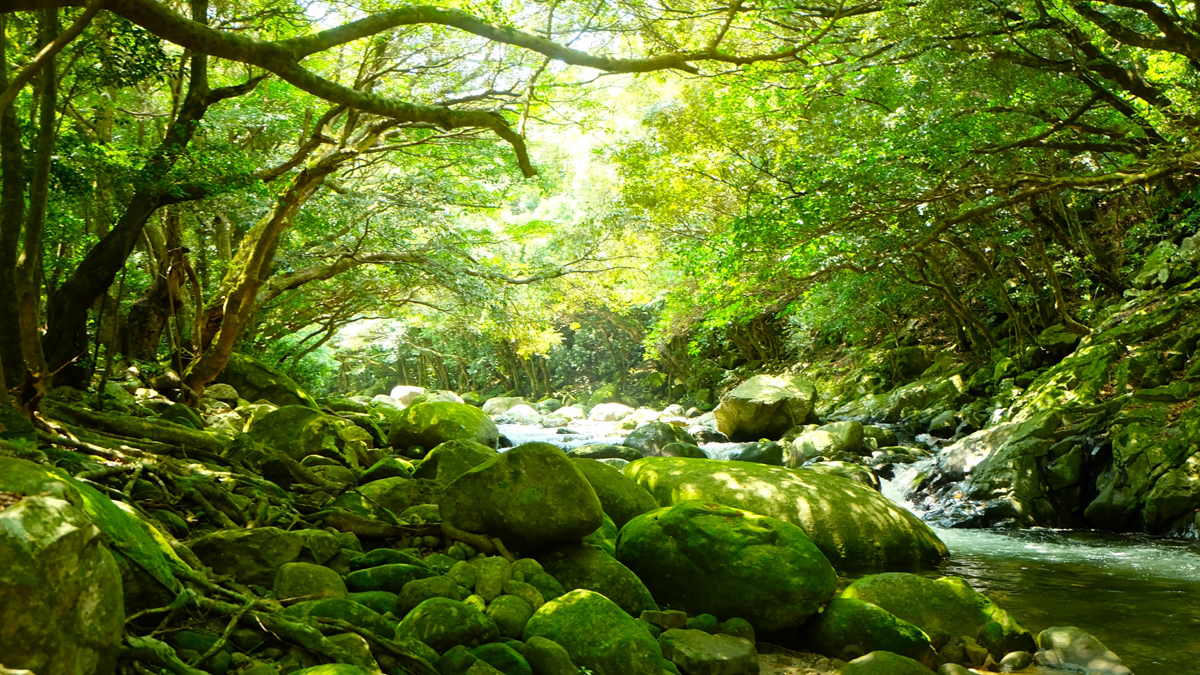
An island south of Kagoshima, known for ancient Yakusugi cedar trees thousands of years old and its rich biodiversity. It receives extremely high rainfall, famously said to rain “35 days a month.”
3. Shiretoko (registered 2005)

Located on a peninsula in eastern Hokkaido, recognized for its connected terrestrial and marine ecosystems. It is home to brown bears, Steller’s sea eagles, and unique phenomena like drifting sea ice.
4. Ogasawara Islands (registered 2011)
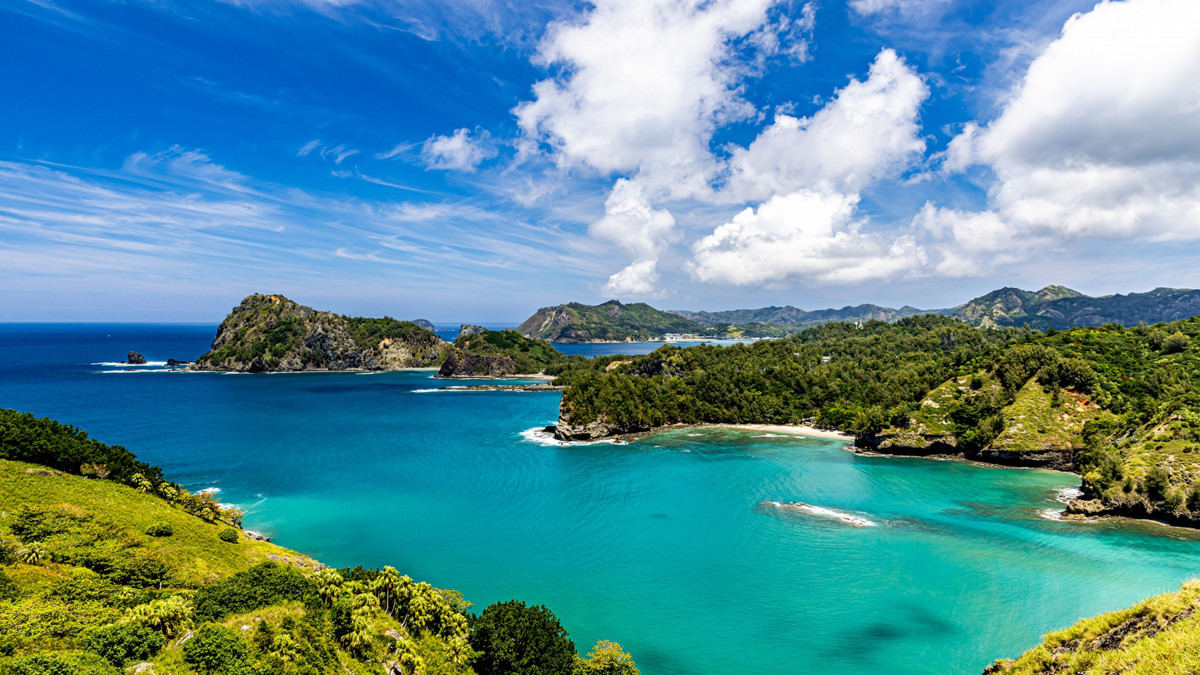
About 1,000 km from Tokyo in the Pacific, these are called the “Galápagos of the East” due to their extraordinary number of endemic species found only there.
5. Amami-Oshima, Tokunoshima, Northern Okinawa, and Iriomote (registered 2021)
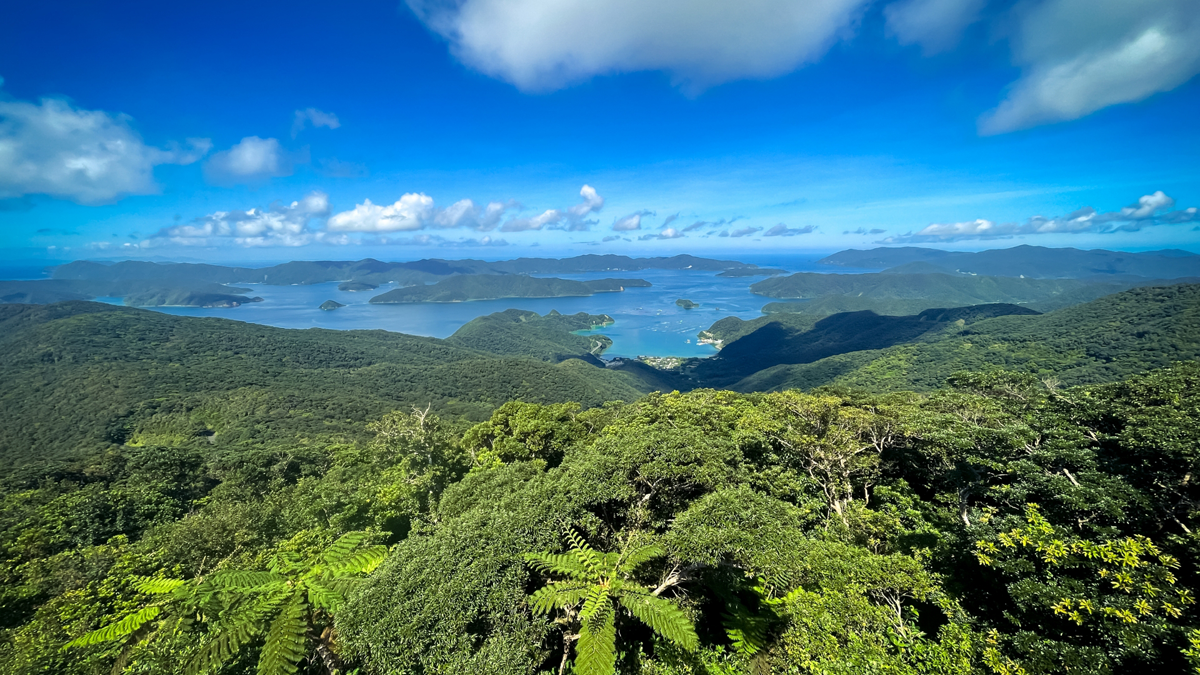
Four areas in the Nansei Islands registered together for their subtropical forests and rare species such as the Amami rabbit, representing globally unique ecosystems.
Cultural Heritage Sites (20 total)
For comparison, Japan’s cultural heritage sites are also listed, totaling 20 as of 2025. These include:
- Horyu-ji Buddhist Monuments (Nara, 1993): World’s oldest wooden structures.
- Himeji Castle (Hyogo, 1993): One of Japan’s largest surviving castles.
- Historic Monuments of Ancient Kyoto (Kyoto & Shiga, 1994): Shrines, temples, gardens.
- Historic Villages of Shirakawa-go and Gokayama (Gifu & Toyama, 1995): Traditional thatched houses in snowy regions.
- Hiroshima Peace Memorial (Genbaku Dome, 1996): Symbol of peace and war heritage.
- Historic Monuments of Ancient Nara (Nara, 1998): Todai-ji, Kasuga Taisha, and others.
- Shrines and Temples of Nikko (Tochigi, 1999): Includes Nikko Toshogu Shrine.
- Gusuku Sites and Related Properties of the Kingdom of Ryukyu (Okinawa, 2000): Castles and sacred sites of the Ryukyu Kingdom.
- Sacred Sites and Pilgrimage Routes in the Kii Mountain Range (2004): Including Kumano Kodo and Mount Koya.
- Iwami Ginzan Silver Mine (Shimane, 2007): Medieval to early-modern silver mine.
- Hiraizumi – Temples, Gardens and Archaeological Sites (Iwate, 2011): Remains of a Pure Land Buddhist city.
- Fujisan, Sacred Place and Source of Artistic Inspiration (Yamanashi & Shizuoka, 2013): Mountain of worship and art.
- Tomioka Silk Mill and Related Sites (Gunma, 2014): Early modern silk industry facilities.
- Sites of Japan’s Meiji Industrial Revolution (2015): Including shipyards and coal mines.
- National Museum of Western Art, Tokyo (Le Corbusier, 2016): Modernist architecture, part of transnational registration.
- Sacred Island of Okinoshima and Associated Sites (Fukuoka, 2017): Marine worship sites.
- Mozu-Furuichi Kofun Group (Osaka, 2019): Large keyhole-shaped burial mounds.
- Sado Gold Mines (Niigata, 2023): Mines active from Edo to modern times.
Meaning of Protecting Natural Heritage
The protection of natural heritage and Ramsar sites holds significance such as:
- Biodiversity conservation: Protecting endangered species and habitats.
- Global environmental stability: Forests absorb CO₂ and regulate water cycles.
- Cultural connections: Nature has inspired faith, traditions, and art.
- Educational and tourism resources: Promoting ecotourism and environmental learning.
Challenges and Future Prospects
Conservation faces challenges:
- Environmental pressure from tourism.
- Invasive species threatening native ecosystems.
- Balancing protection with local residents’ livelihoods.
Future approaches must emphasize sustainable use of nature and international cooperation.
Conclusion
Japan’s natural heritage sites are not only beautiful sceneries but globally valuable ecosystems and landscapes. The island nation’s unique environment and endemic species are treasures to be preserved and shared with the world.
By learning about and protecting them, we not only conserve biodiversity but also rediscover the deep relationship between humans and nature.


Comments