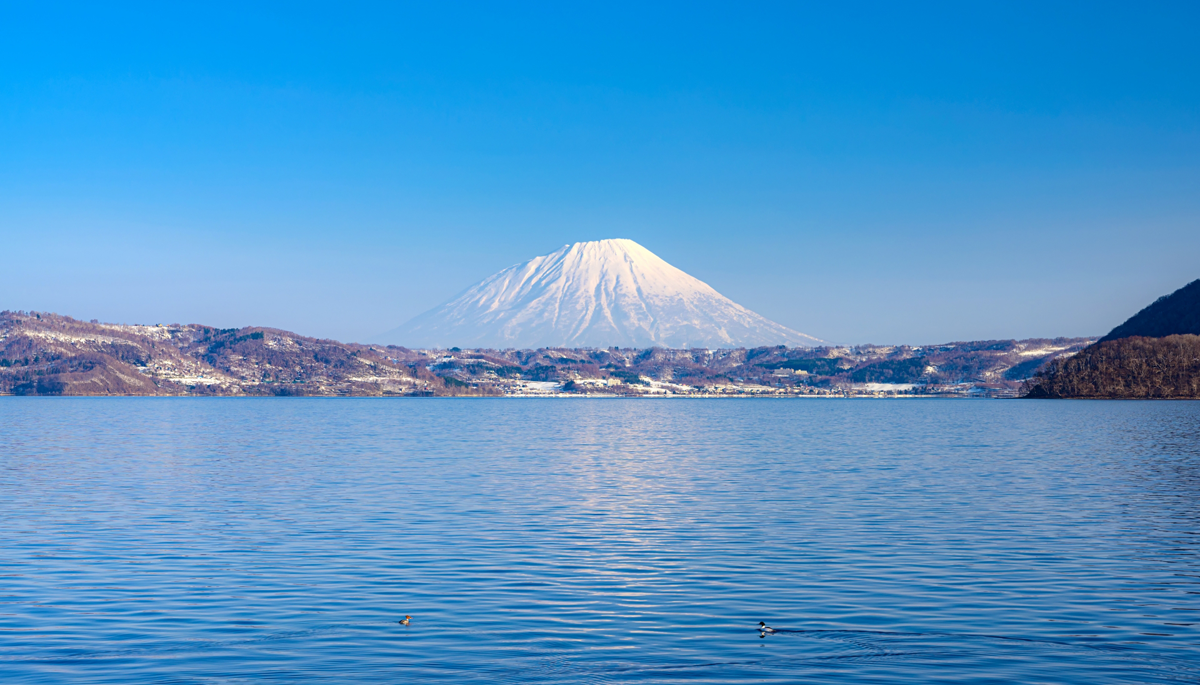
Hokkaido is the northernmost region of Japan. It is famous for its wide land, rich nature, and clear seasonal changes. Here, we introduce some of the most popular natural spots in Hokkaido, grouped by area and features.
Eastern Hokkaido – Lakes and Wetlands
Kushiro Wetland
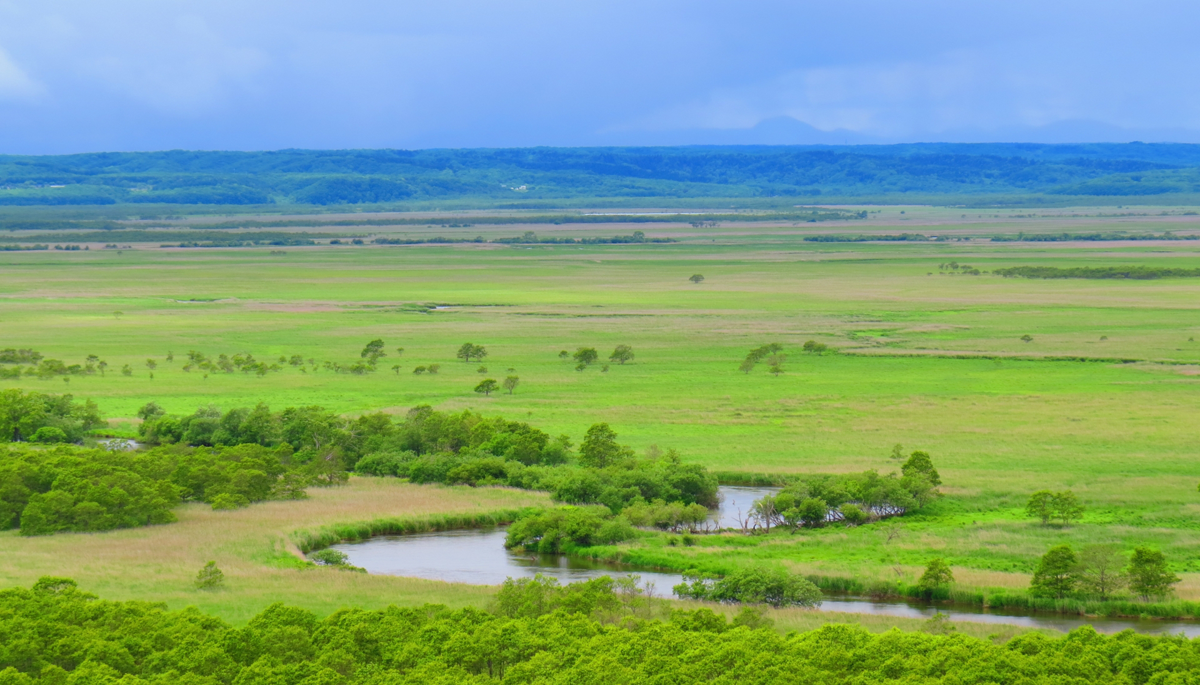
Kushiro Wetland is the largest wetland in Japan.
It is home to the Japanese crane, a protected national treasure.
From observation decks, visitors can see the vast wetland stretching to the horizon.
Canoeing along the winding river is also a popular activity.
Lake Mashu
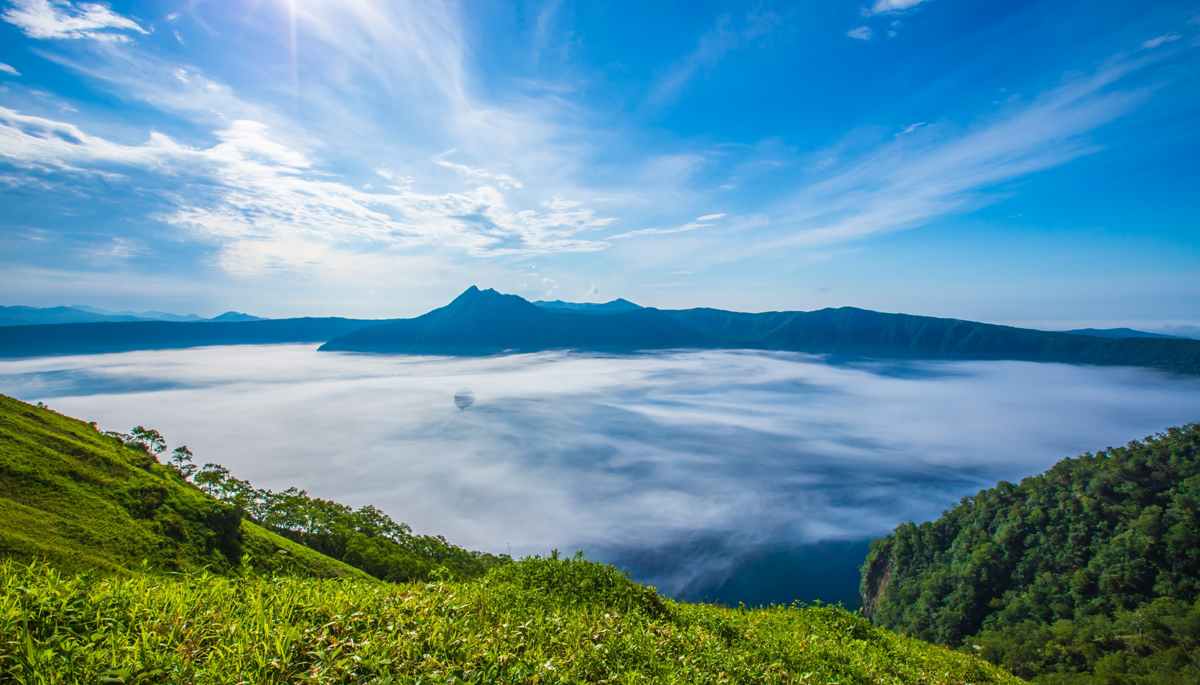
Lake Mashu is a crater lake with very clear water, one of the clearest in the world.
It is often called “Misty Lake Mashu” because fog frequently covers the lake.
On clear days, the deep blue water creates a magical view.
Shiretoko Five Lakes
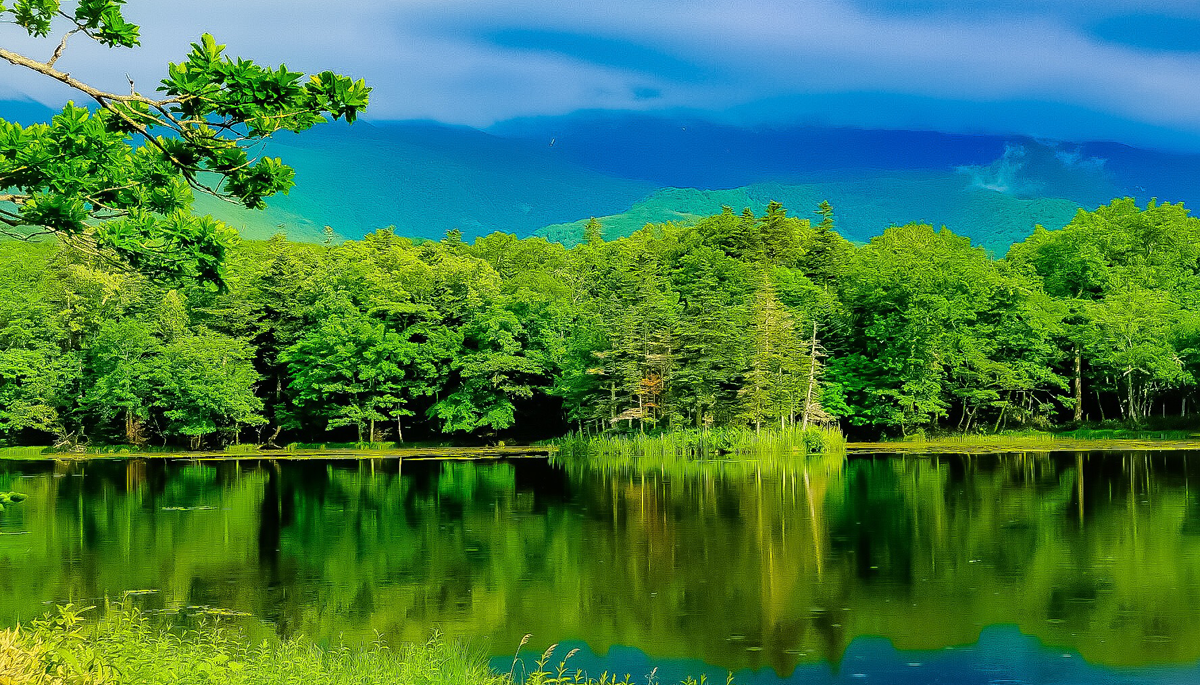
These five lakes are located on the Shiretoko Peninsula, a UNESCO World Natural Heritage site.
Walking trails allow visitors to enjoy reflections of forests and mountains on the water.
Brown bears live in this area, so visitors can feel the power of untouched nature.
Kamuiwakka Falls
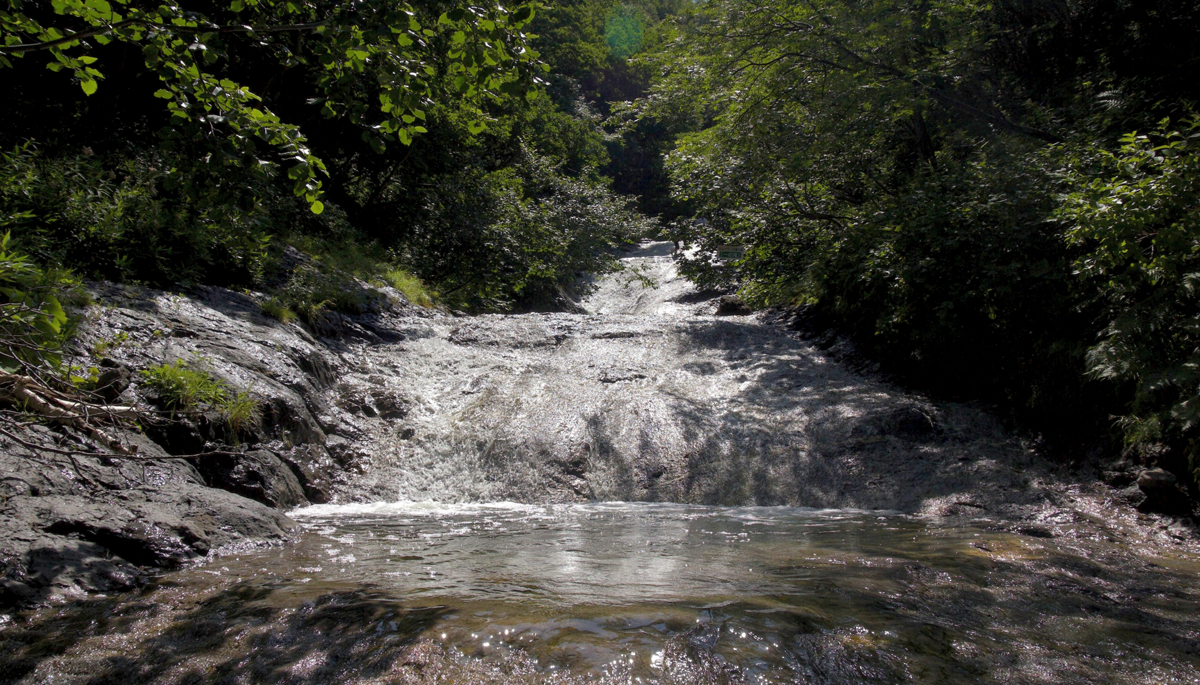
Kamuiwakka Falls is a rare hot spring waterfall in Shiretoko.
The river itself is warm because it flows with hot spring water.
Visitors can enjoy nature while soaking their feet in the stream.
Central Hokkaido – Flowers and Blue Water
Furano and Biei Flower Fields
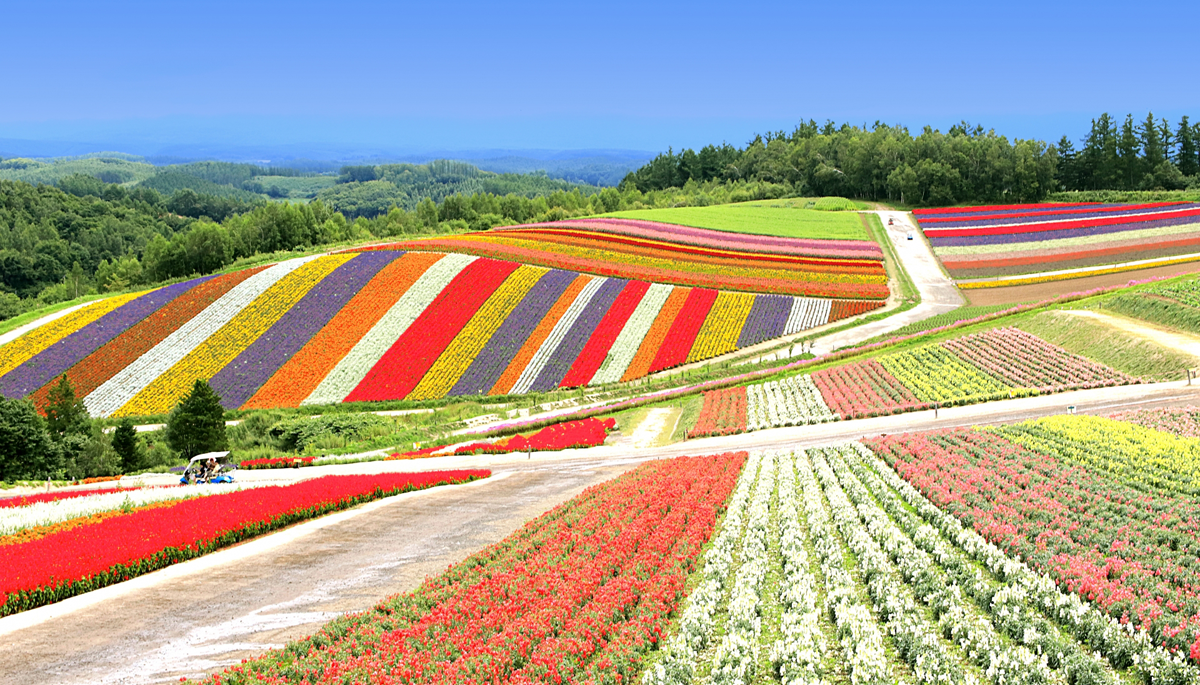
In summer, colorful flowers—especially lavender—bloom across the hills.
The flower fields and rural scenery are some of the most famous views in Hokkaido.
Shirogane Blue Pond (Biei Blue Pond)
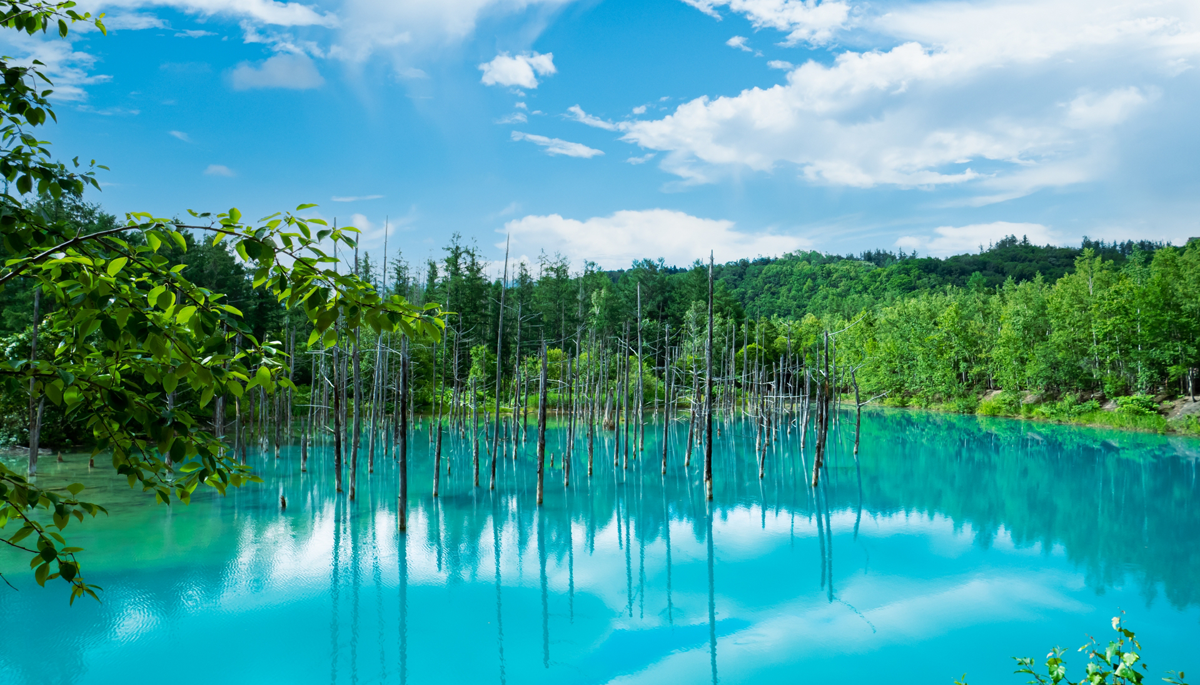
This pond is known for its bright blue color.
Dead trees standing in the water create a mysterious atmosphere.
The color of the pond changes with the seasons, making it a popular photo spot.
Hime-numa Pond
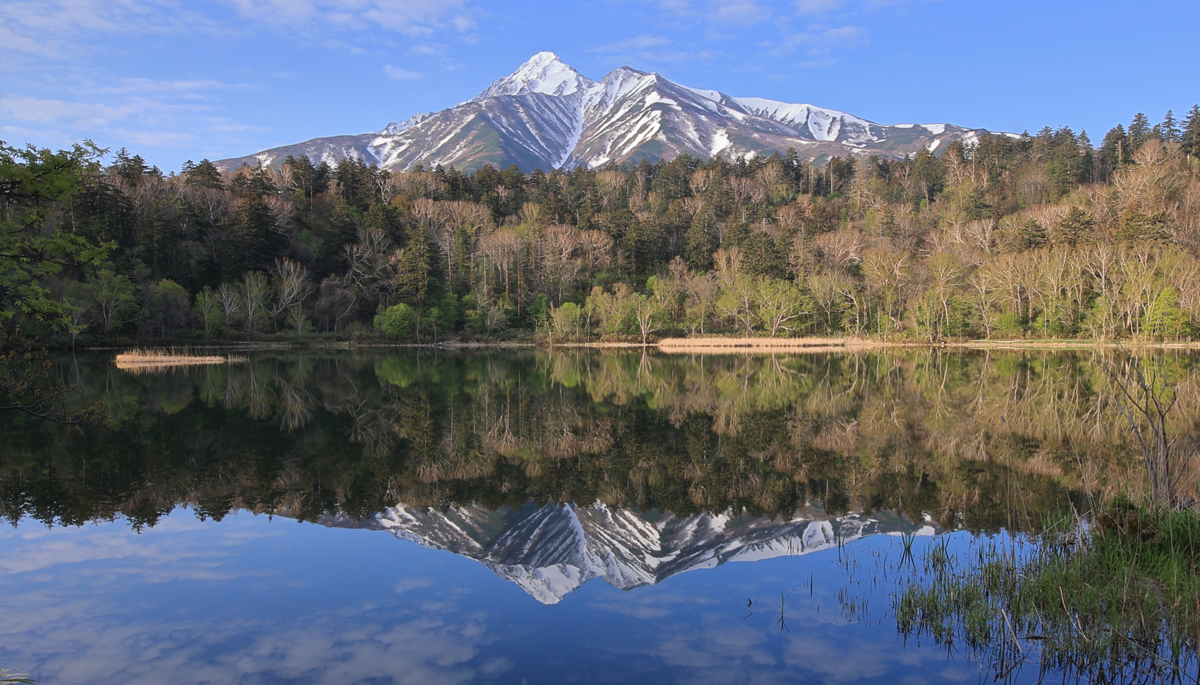
Hime-numa is a small, quiet pond where Mount Rishiri is reflected on the surface.
A walking path surrounds the pond, offering a peaceful nature experience.
Southern Hokkaido – Volcanoes, Lakes, and City Views
Jigokudani (Noboribetsu Hell Valley)
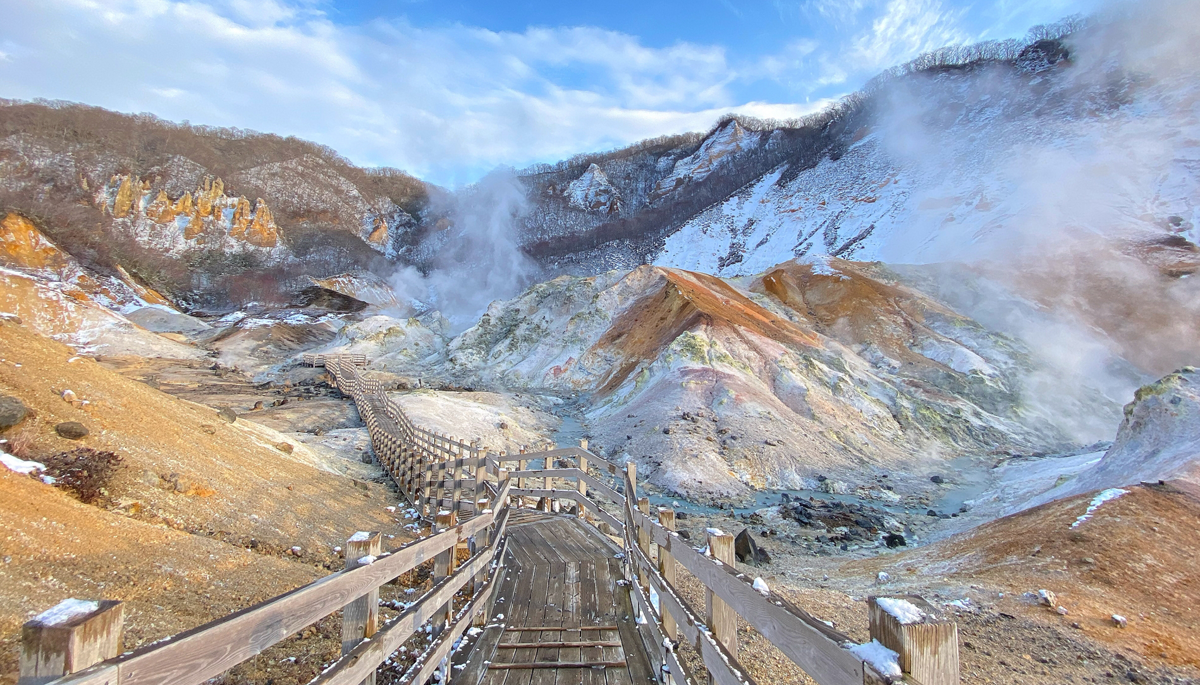
Steam and sulfur gas rise from the ground, creating a dramatic landscape.
This area is the source of many hot springs and is closely connected to onsen culture.
Lake Toya
Lake Toya is a large crater lake with a small island in the center.
Nearby volcanoes such as Mount Usu can be seen from the lakeshore.
The area is also famous as a hot spring resort.
Lake Shikotsu
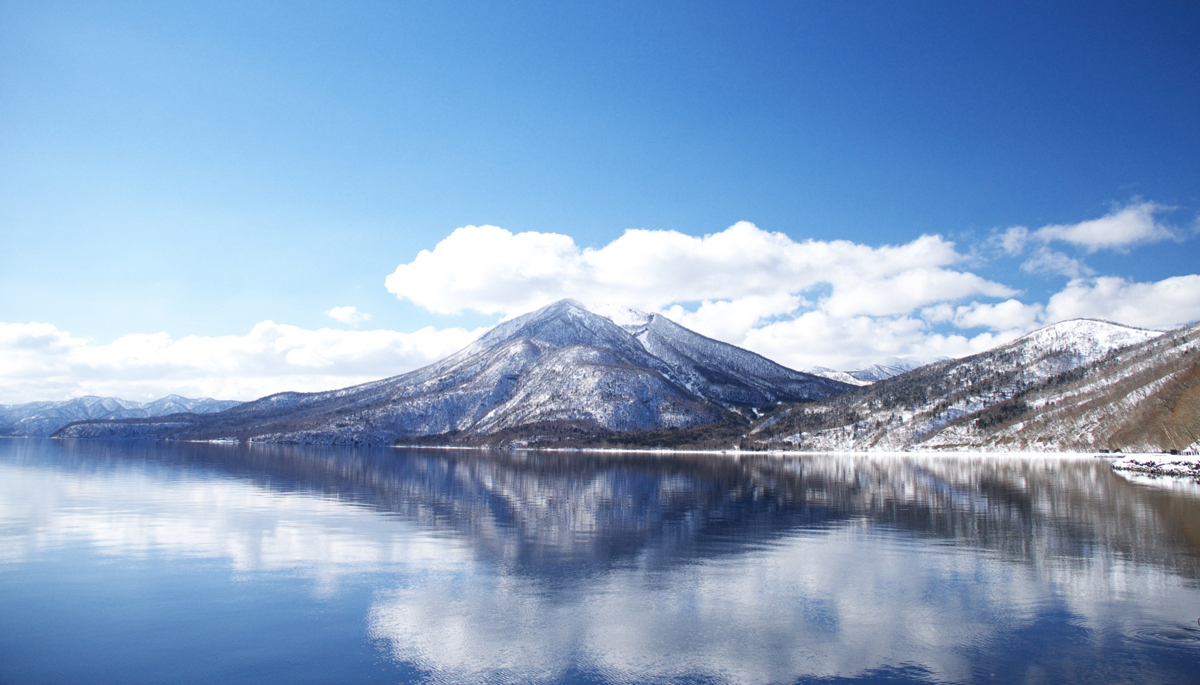
Lake Shikotsu is one of the clearest lakes in Japan.
Its beautiful blue water is often called “Shikotsu Blue.”
Visitors can enjoy canoeing and diving throughout the year.
Mount Hakodate
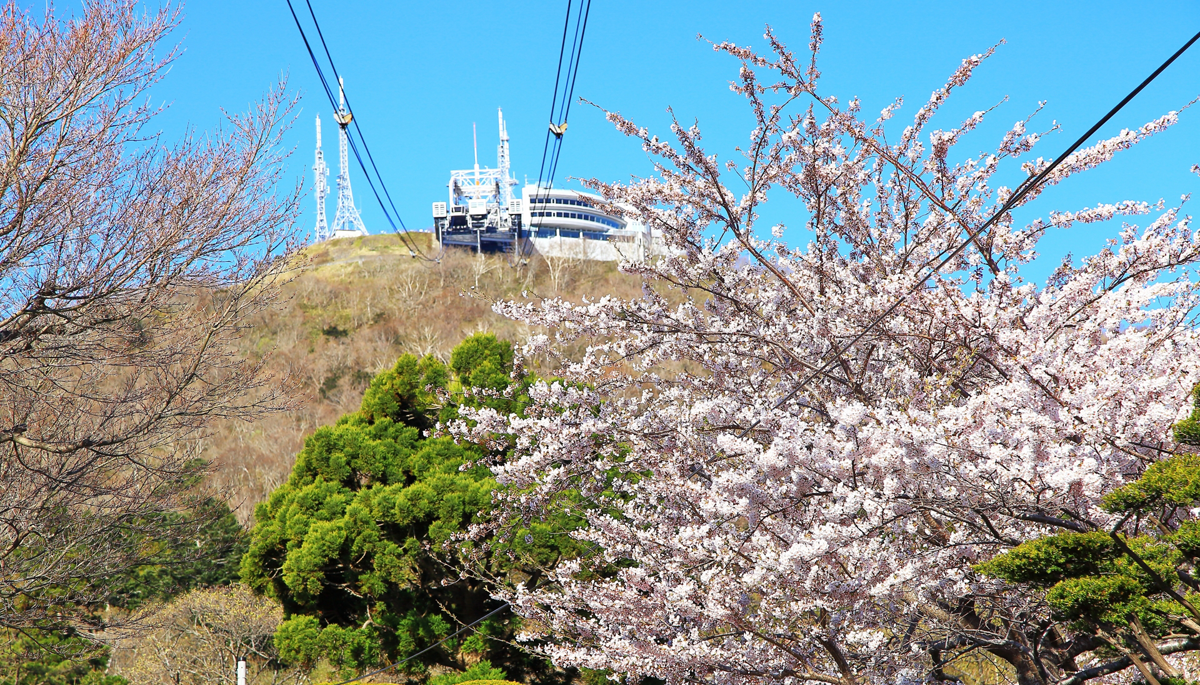
From the top of Mount Hakodate, visitors can see the city’s night view.
It is often listed as one of the world’s most beautiful night views.
During the day, the Tsugaru Strait and nearby peninsulas are also visible.
Northern Islands and Drift Ice
Rishiri Island and Rebun Island
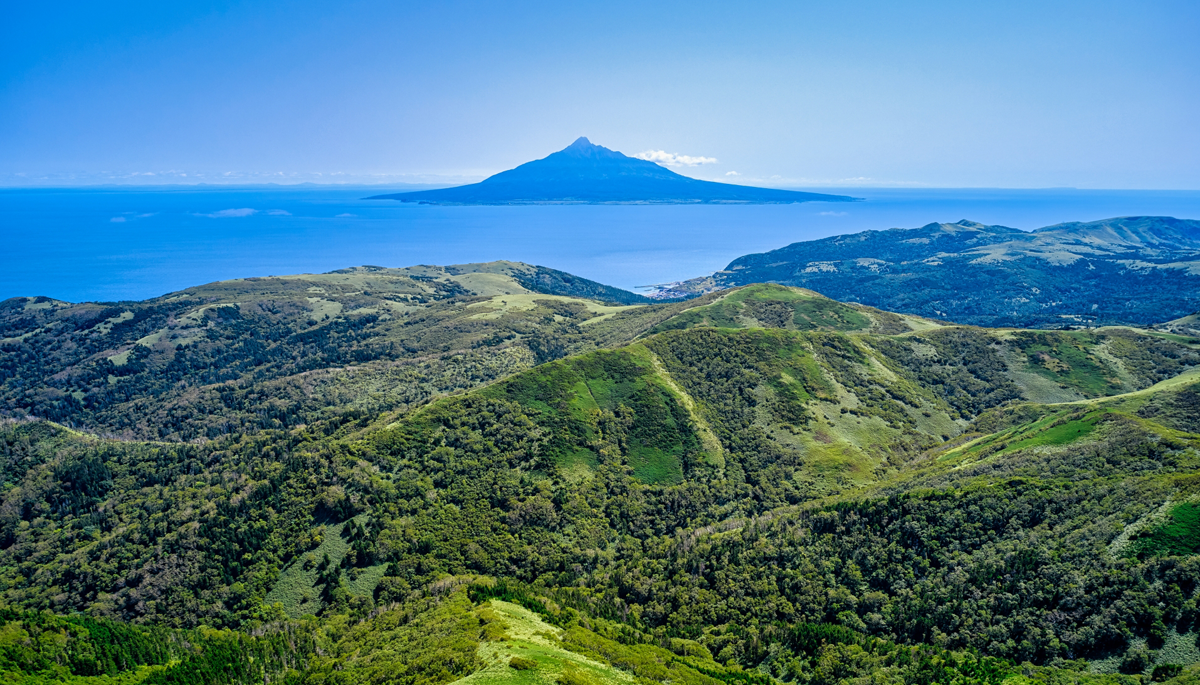
Rishiri Island is famous for Mount Rishiri, also called “Rishiri Fuji.”
Rebun Island is known as the “Floating Island of Flowers,” with alpine plants in summer.
Both islands offer rich nature and fresh seafood.
Drift Ice of the Sea of Okhotsk
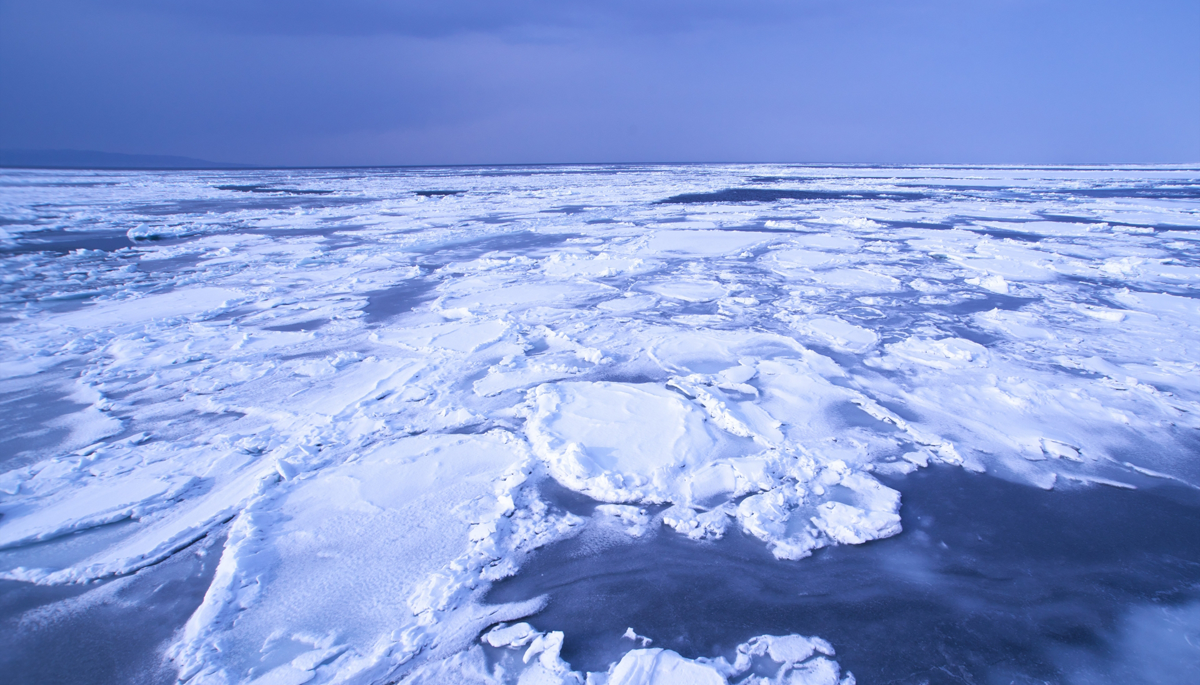
In winter, large sheets of drift ice cover the Sea of Okhotsk coast.
This natural phenomenon can only be seen in limited areas of the world.
Visitors can experience it by icebreaker ships or guided ice walks.
Conclusion
Hokkaido’s natural landscapes include wide wetlands, clear lakes, active volcanoes, flower fields, and drifting ice.
Each area has a completely different scenery, depending on location and season.
Because of its size and diversity, Hokkaido offers new discoveries every time you visit.
It truly deserves to be called a treasure land of nature.
Comments