The Tokai and Hokuriku regions stretch from the central part of the Japanese archipelago to both the Sea of Japan and the Pacific Ocean.
They are blessed with diverse natural scenery, including dramatic coastlines, majestic mountains and valleys, famous waterfalls, and beautiful lakes.
Below are some representative natural spots introduced by prefecture.
- Niigata Prefecture – Spectacular Coastlines and Islands
- Toyama Prefecture – Mountains and Coastal Beauty
- Ishikawa Prefecture – Coastlines and Deep Valleys
- Fukui Prefecture – Famous Scenic Views of the Sea of Japan
- Gifu Prefecture – Mountains and Valleys
- Shizuoka Prefecture – Landscapes Around Mount Fuji
- Aichi Prefecture – Famous Autumn Colors
- Mie Prefecture – Bays and Waterfalls
- Conclusion
Niigata Prefecture – Spectacular Coastlines and Islands
Sasagawa Nagare
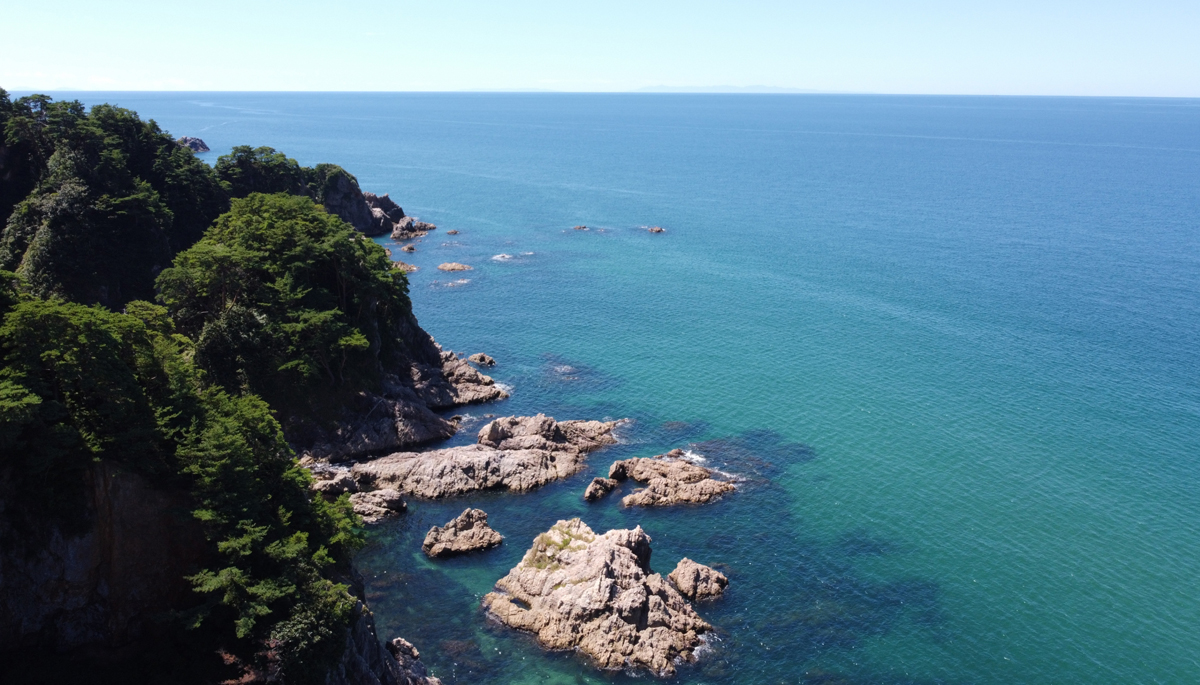
Sasagawa Nagare is a scenic coastline along the Sea of Japan that extends for about 11 kilometers.
Visitors can enjoy beautiful views of clear water, unusual rock formations, and sea caves.
Onogame
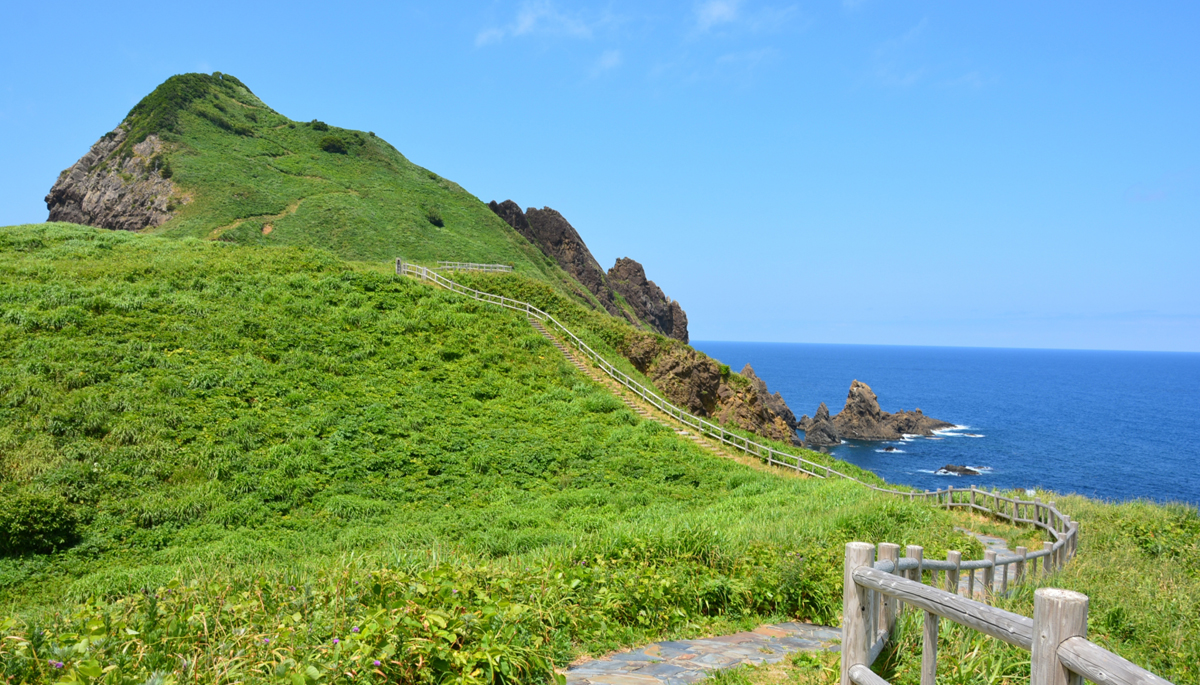
Onogame is a huge monolithic rock rising 167 meters above the ground.
In May, the surrounding area becomes covered with yellow Tobishima daylilies, creating a stunning contrast between the flowers and the sea.
Sado Island
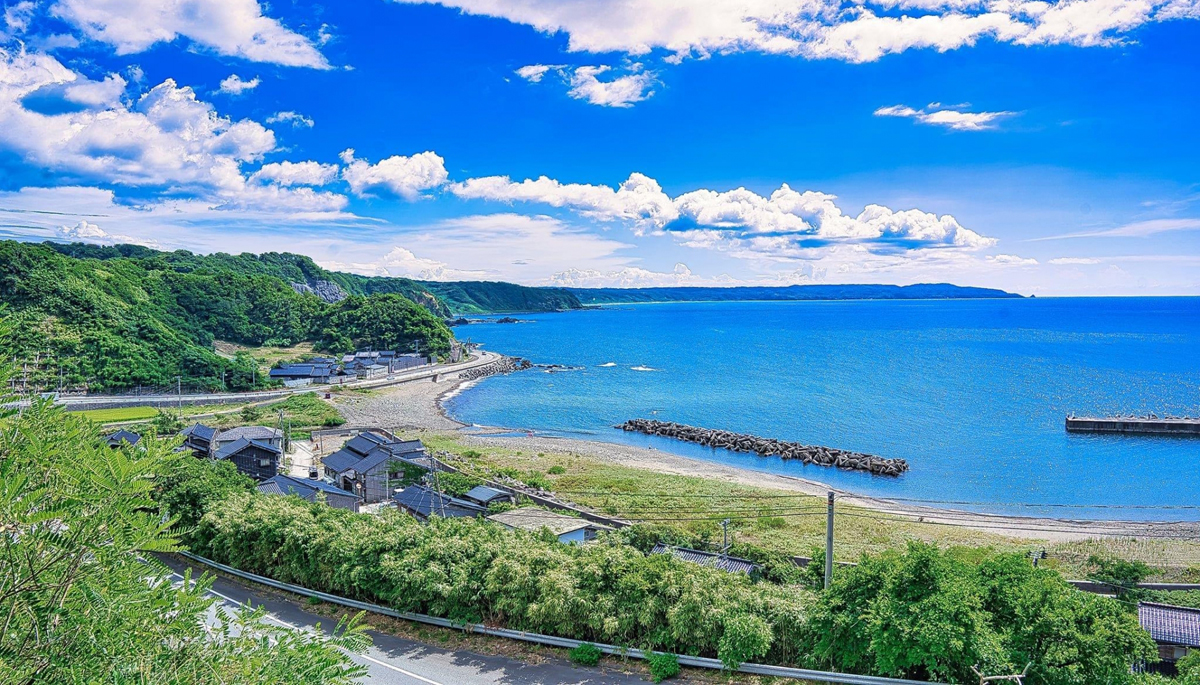
Sado Island lies off the coast of Niigata and is the largest island in the Sea of Japan.
It offers rich natural scenery along with a unique culture and history related to gold mining.
Sado Gold Mine
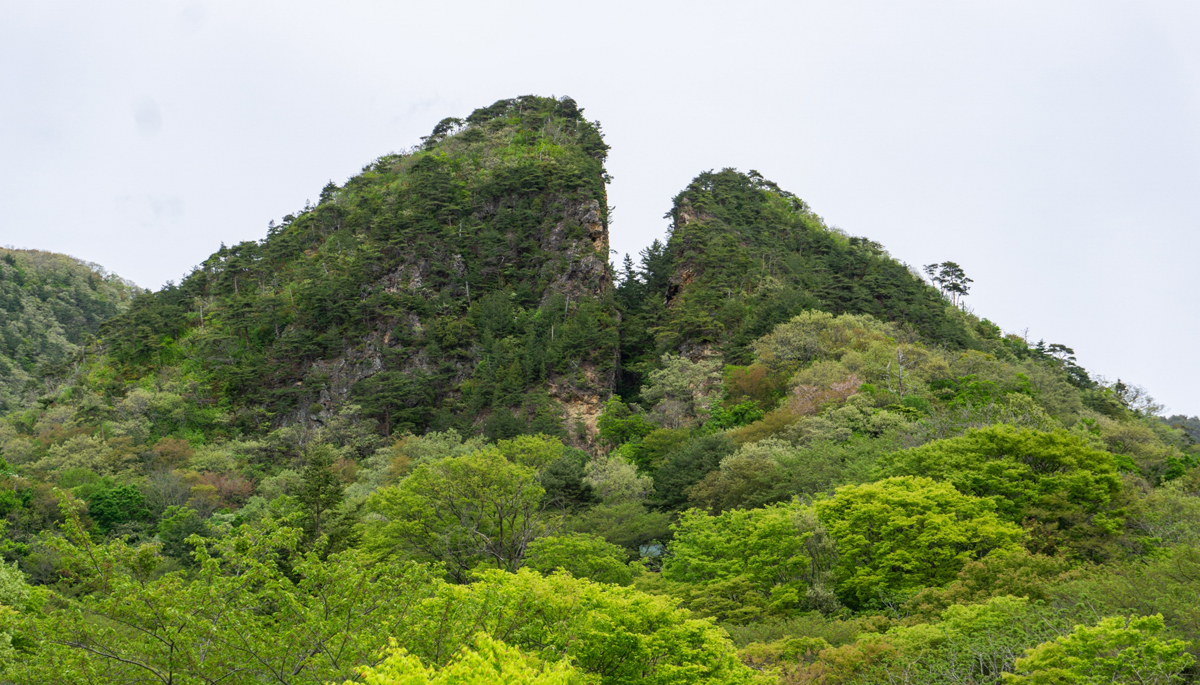
The Sado Gold Mine was once one of the largest gold mines in Japan.
Visitors can explore old mining tunnels and learn about both the history and the natural environment of the island.
Toyama Prefecture – Mountains and Coastal Beauty
Midagahara
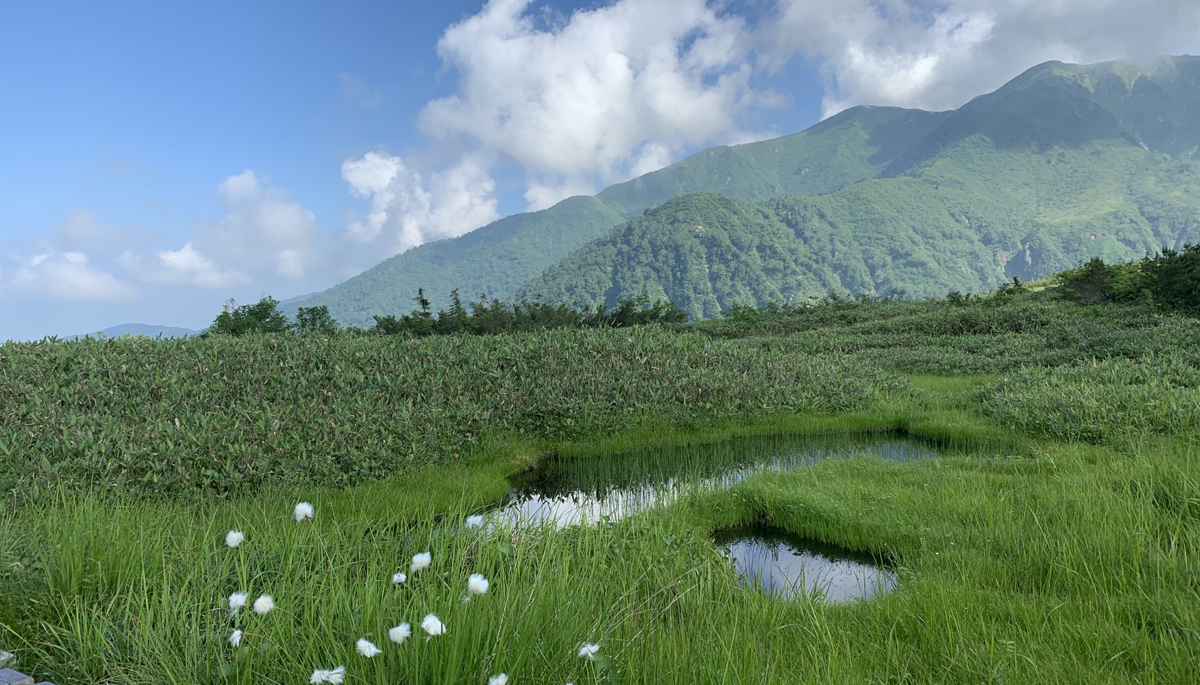
Midagahara is a highland wetland area located in the Tateyama mountain range.
In summer, alpine flowers bloom across the plateau, making it a wonderful place for hiking.
Amaharashi Coast
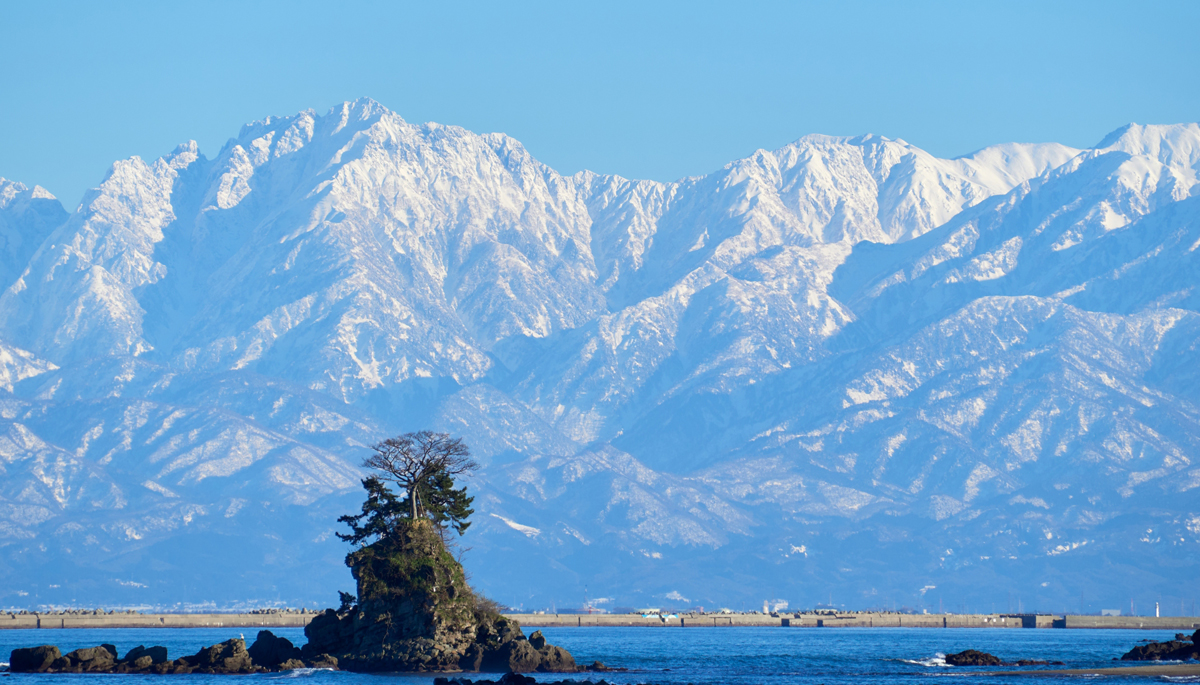
This coastline offers a famous view of the Tateyama Mountains rising beyond the sea.
The combination of sunrise, the ocean, and snow-covered peaks is often described as one of Japan’s most beautiful landscapes.
Kurobe Gorge
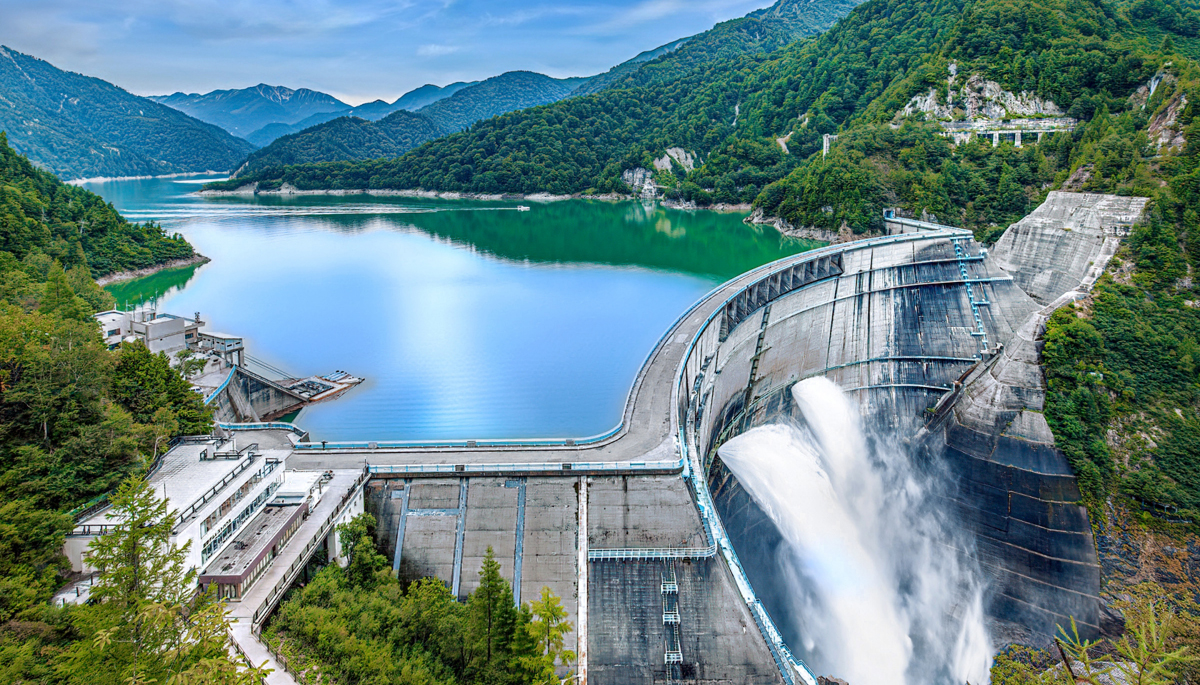
Kurobe Gorge is one of the deepest V-shaped gorges in Japan.
Visitors can ride a scenic trolley train through the valley to enjoy spectacular views.
Tateyama Kurobe Alpine Route
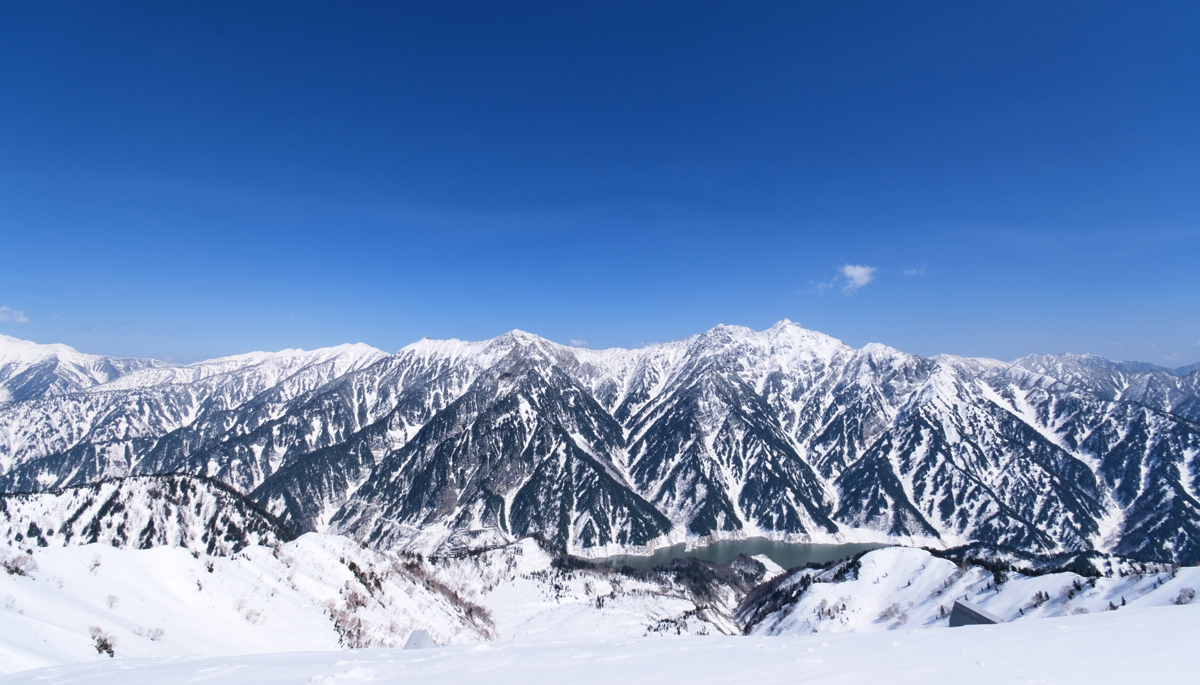
This famous sightseeing route crosses the Tateyama mountain range, with peaks over 3,000 meters high.
Highlights include the massive snow walls of “Yuki-no-Otani” and the impressive Kurobe Dam.
Ishikawa Prefecture – Coastlines and Deep Valleys
Tedori Gorge
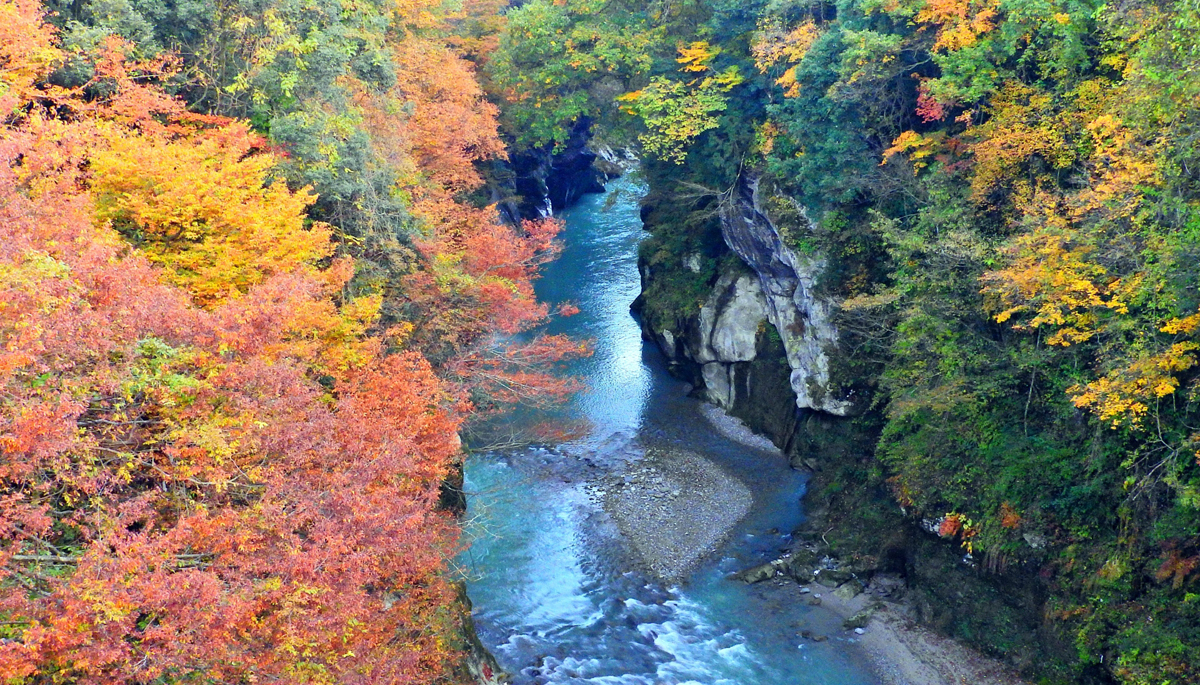
Tedori Gorge was formed by snowmelt water flowing from Mount Hakusan.
The emerald-green river and steep cliffs create a beautiful natural contrast.
Noto Kongo Coast
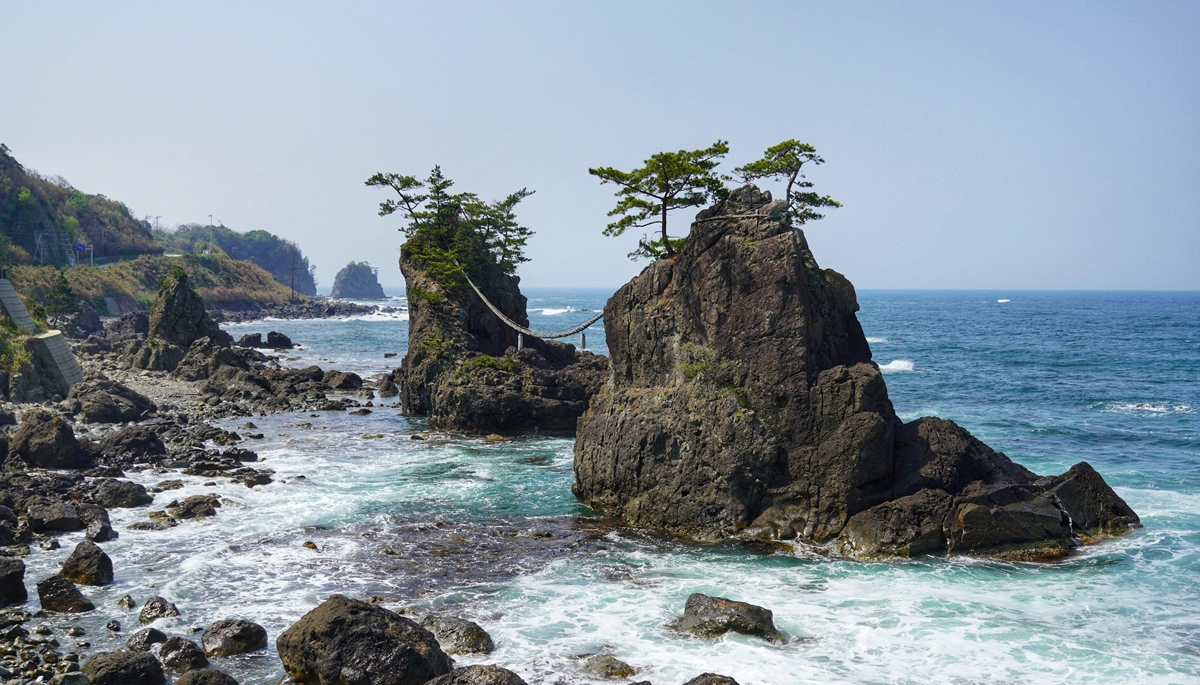
The Noto Kongo Coast features dramatic cliffs and unique rock formations carved by the rough waves of the Sea of Japan.
One of the most famous sights is Ganmon, a large sea cave.
Fukui Prefecture – Famous Scenic Views of the Sea of Japan
Tojinbo Cliffs
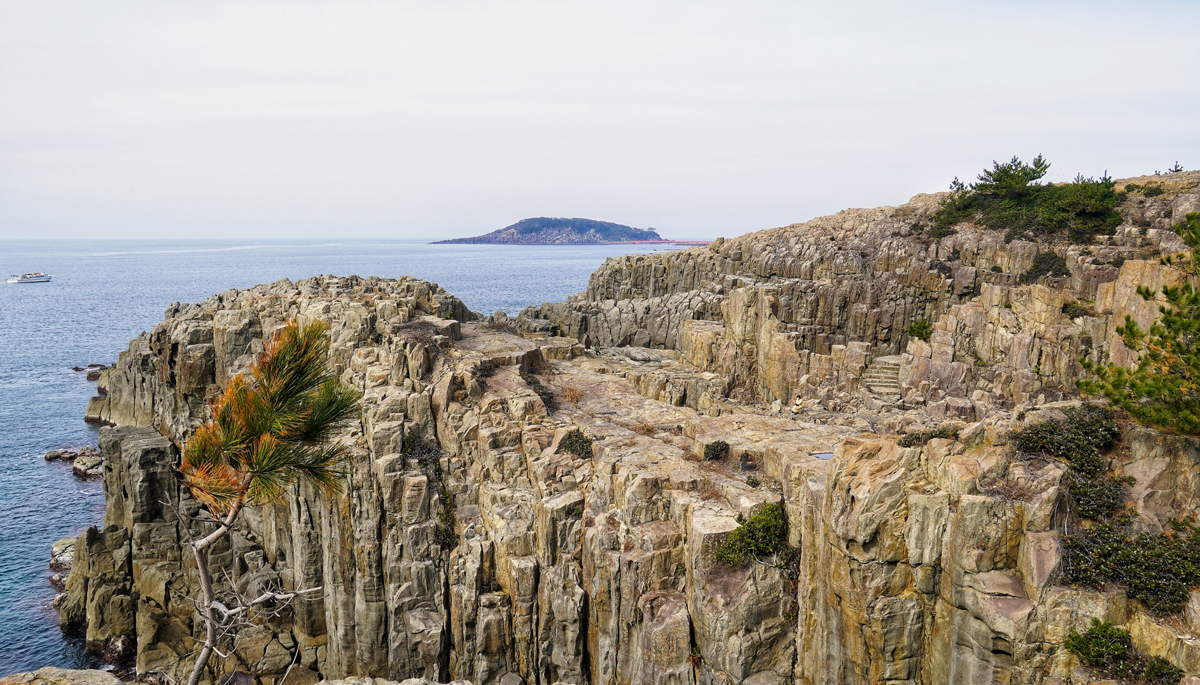
Tojinbo is a dramatic cliff area where columnar rock formations extend for about one kilometer along the coast.
The cliffs rise more than 20 meters above the sea, creating a powerful view with the waves of the Sea of Japan.
Mizushima Island
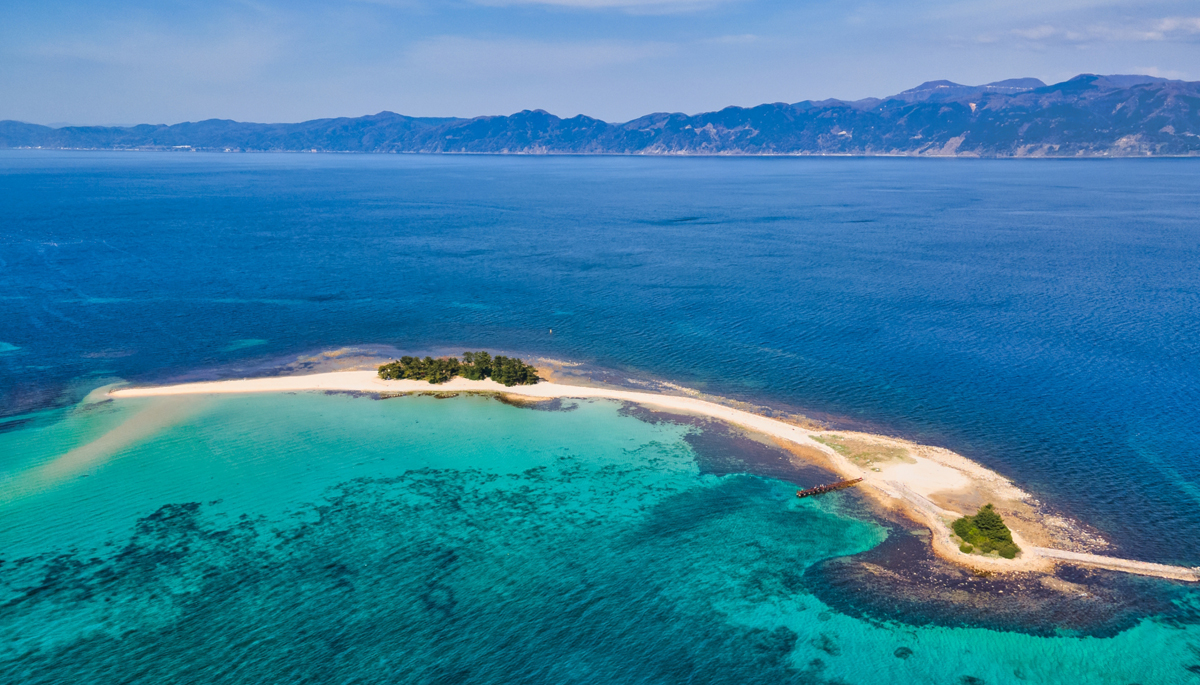
Mizushima is an uninhabited island sometimes called the “Hawaii of Hokuriku.”
In summer, visitors can enjoy swimming in the emerald-green sea and relaxing on white sandy beaches.
Kehi no Matsubara
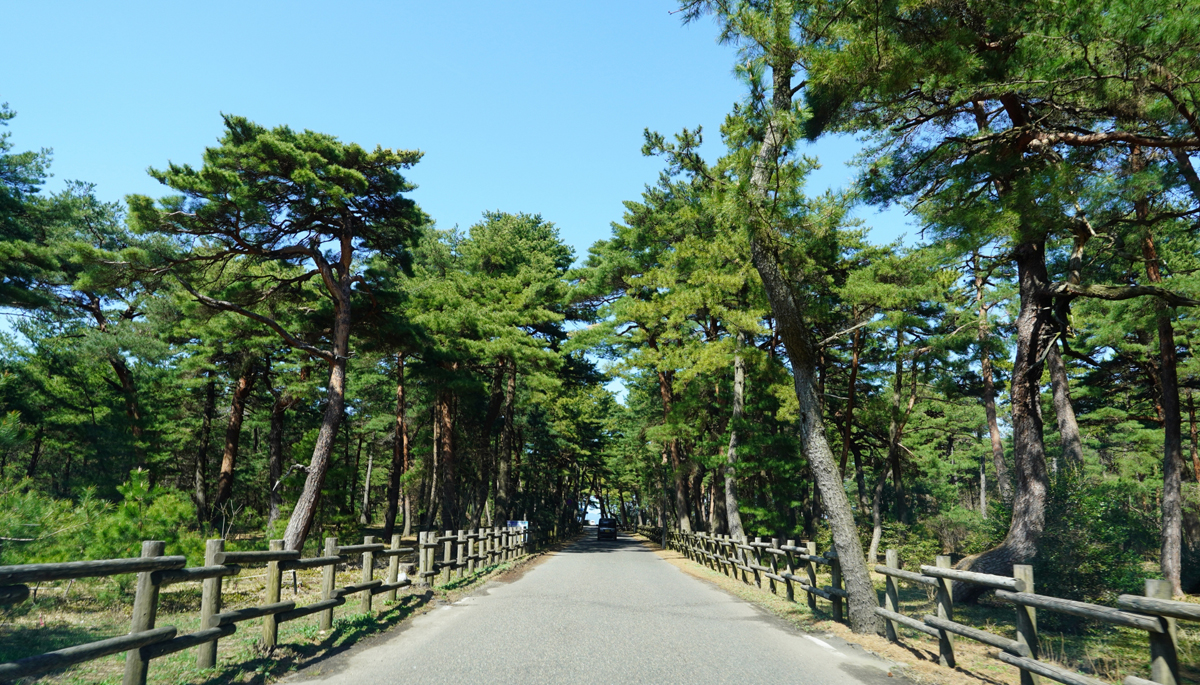
Kehi no Matsubara is one of Japan’s three most famous pine groves.
Around 17,000 pine trees grow along the coast, creating a classic scenic view of white sand and green pine trees.
Gifu Prefecture – Mountains and Valleys
Hisui Gorge
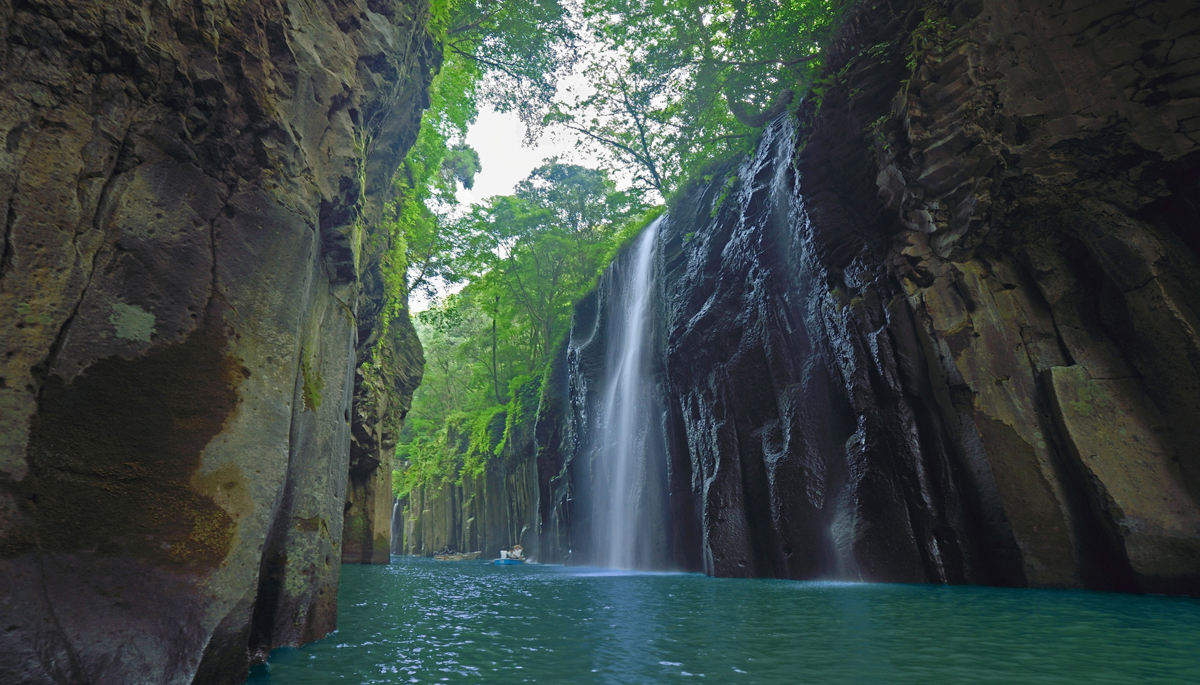
Hisui Gorge lies along the upper reaches of the Nagara River.
Clear water flows through unusual rock formations, creating beautiful natural scenery.
Yoro Falls
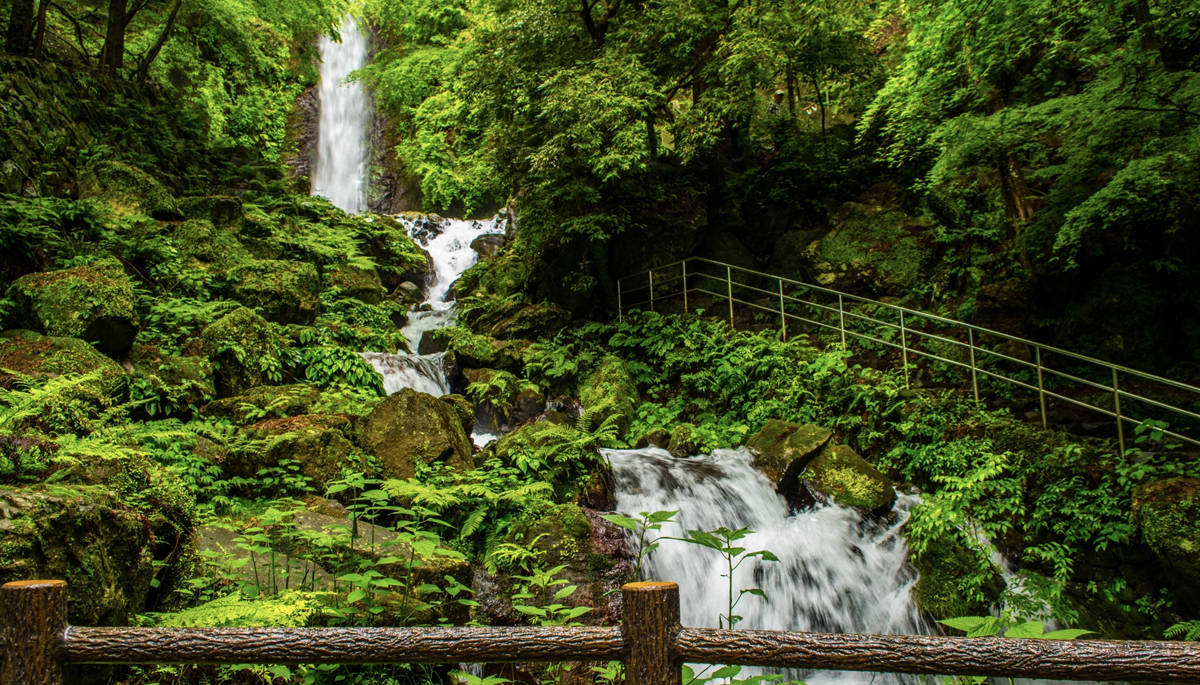
Yoro Falls is a famous waterfall about 32 meters high.
It is associated with the well-known “Yoro Legend” and is admired for its peaceful natural beauty.
Shizuoka Prefecture – Landscapes Around Mount Fuji
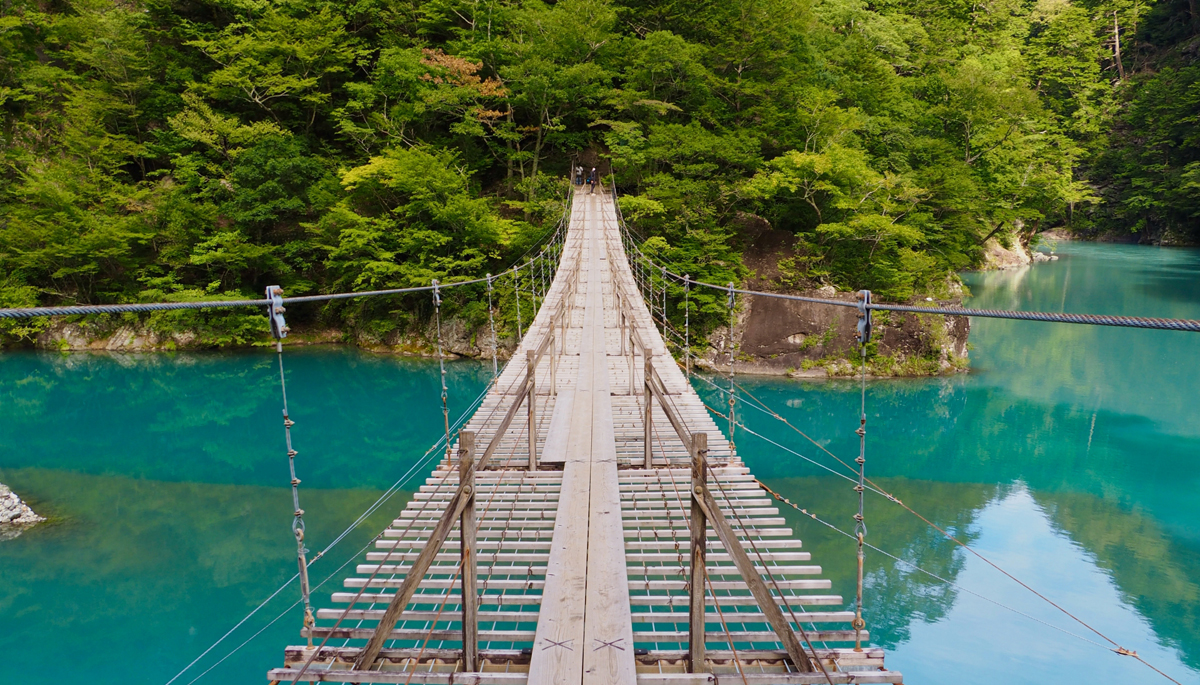
Sumata Gorge
Sumata Gorge is famous for the “Dream Suspension Bridge.”
The bridge crosses an emerald-blue lake, creating a magical and photogenic landscape.
Miho no Matsubara
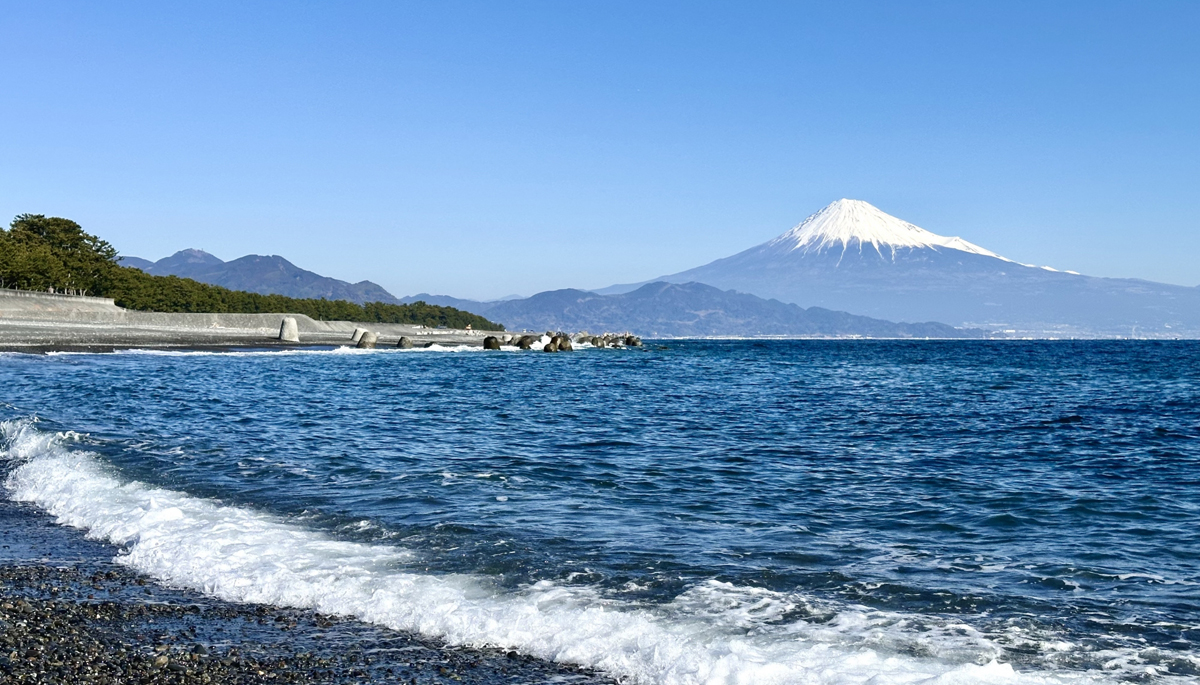
Miho no Matsubara is part of the UNESCO World Cultural Heritage site of Mount Fuji.
The scenery of pine trees, Suruga Bay, and Mount Fuji together creates a classic Japanese landscape.
Shiraito Falls
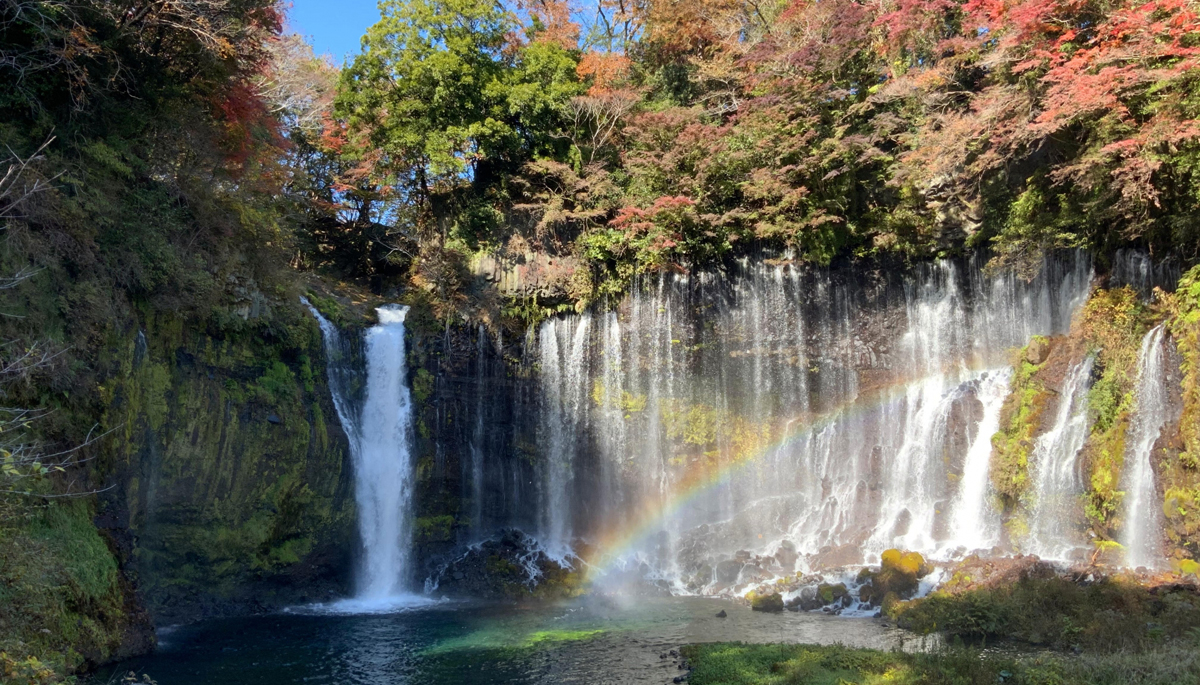
Shiraito Falls forms a curtain of countless thin streams of water falling from a height of about 20 meters across a width of 150 meters.
The water comes from underground springs of Mount Fuji.
Hirizo Beach
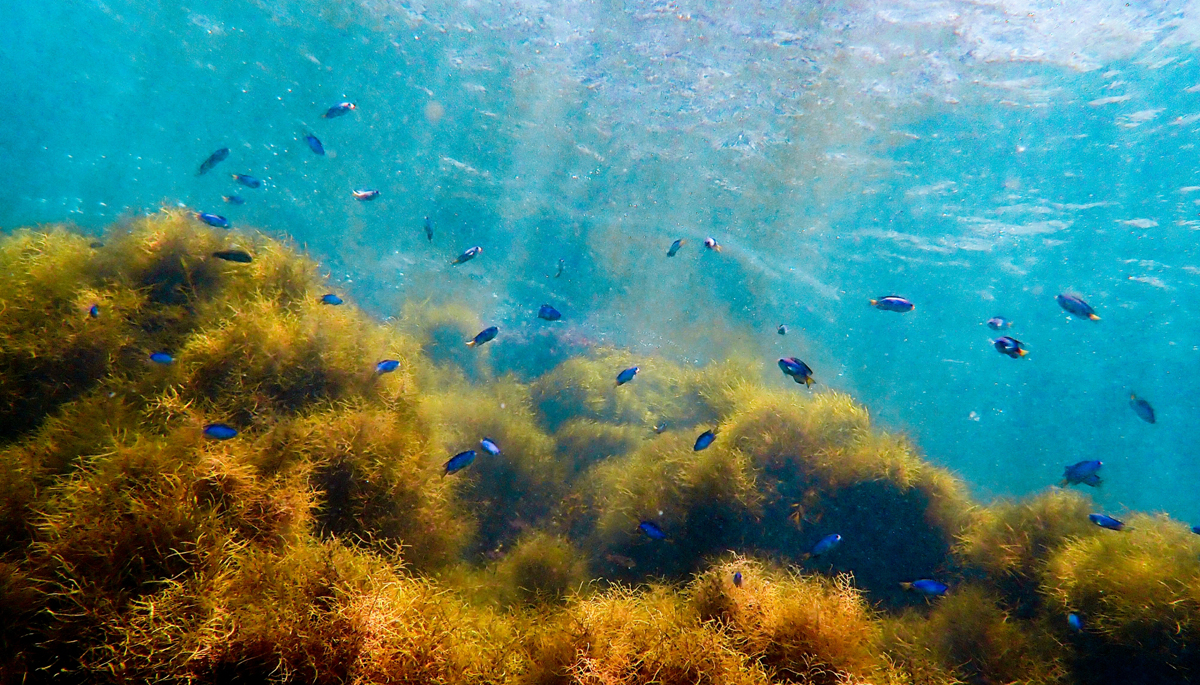
Hirizo Beach, located on the Izu Peninsula, is known as a hidden paradise.
Its extremely clear water makes it a popular place for snorkeling.
Kawazu Seven Waterfalls
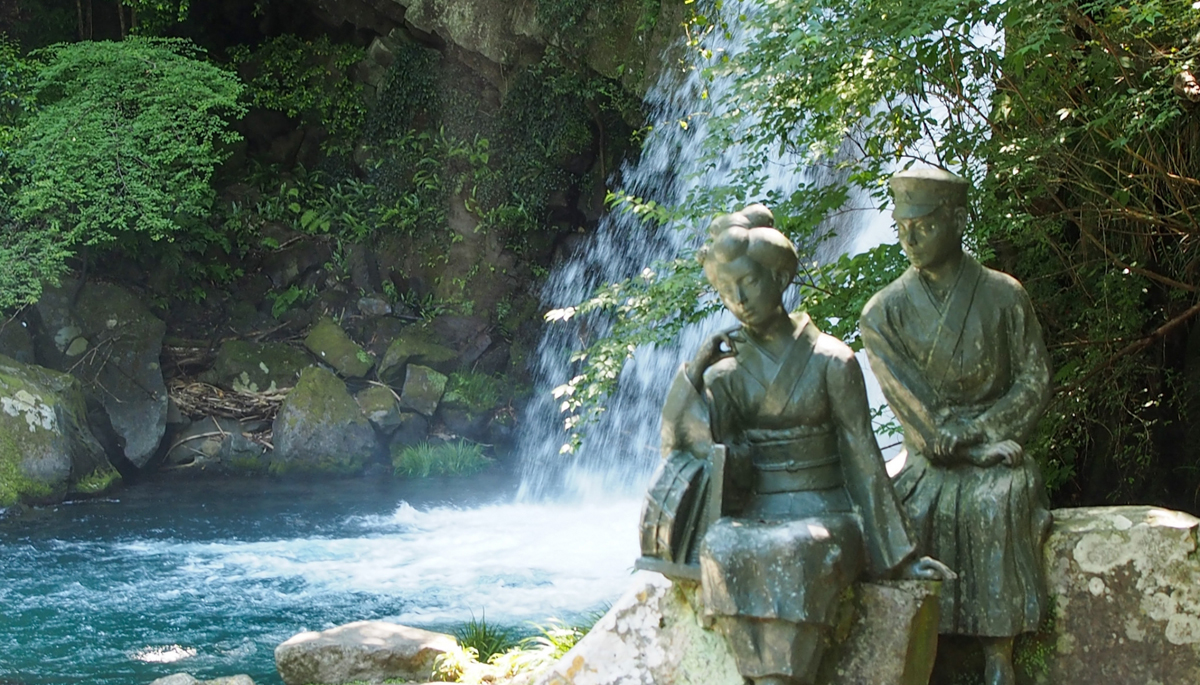
These seven waterfalls are scattered across the Izu Peninsula.
Visitors can walk along a trail to see each waterfall in sequence.
Lake Tanuki
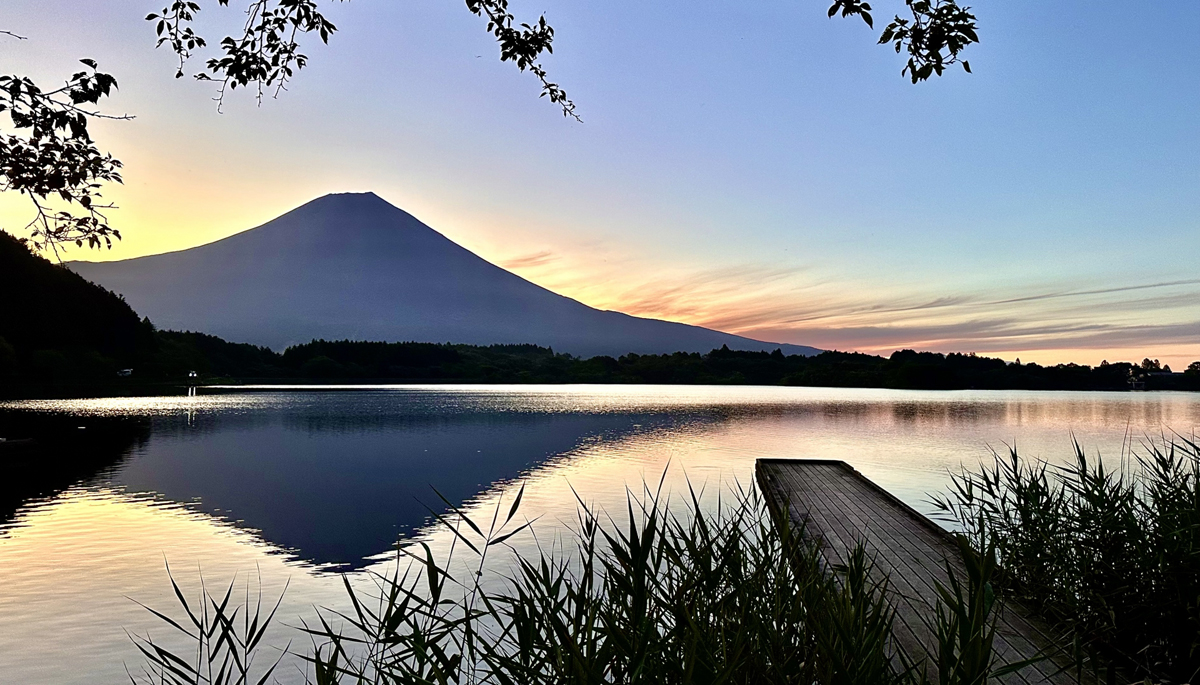
Lake Tanuki is famous for its reflection of Mount Fuji on the water’s surface.
The peaceful lakeside scenery changes beautifully with the seasons.
Mount Fuji
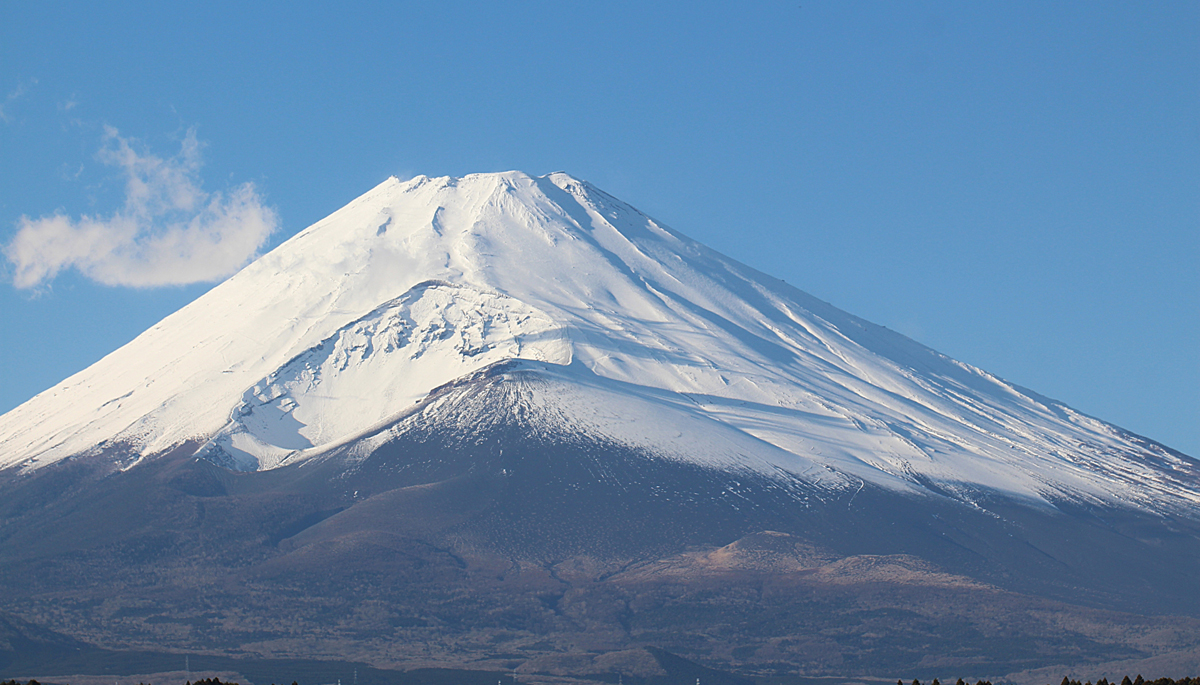
Mount Fuji is the symbol of Japan and a UNESCO World Cultural Heritage site.
During the summer climbing season, hikers from around the world visit to see the sunrise from the summit.
Jogasaki Coast
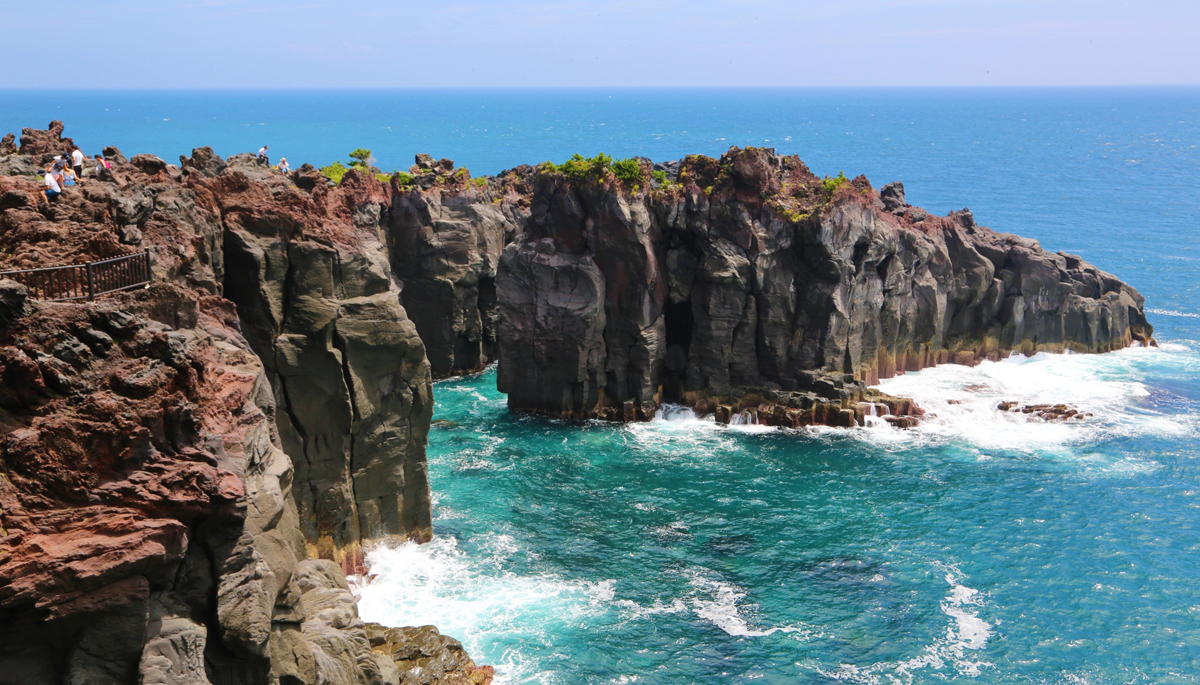
Jogasaki Coast features steep lava cliffs and a famous suspension bridge.
Visitors can experience the powerful waves of the Pacific Ocean up close.
Aichi Prefecture – Famous Autumn Colors
Korankei Gorge
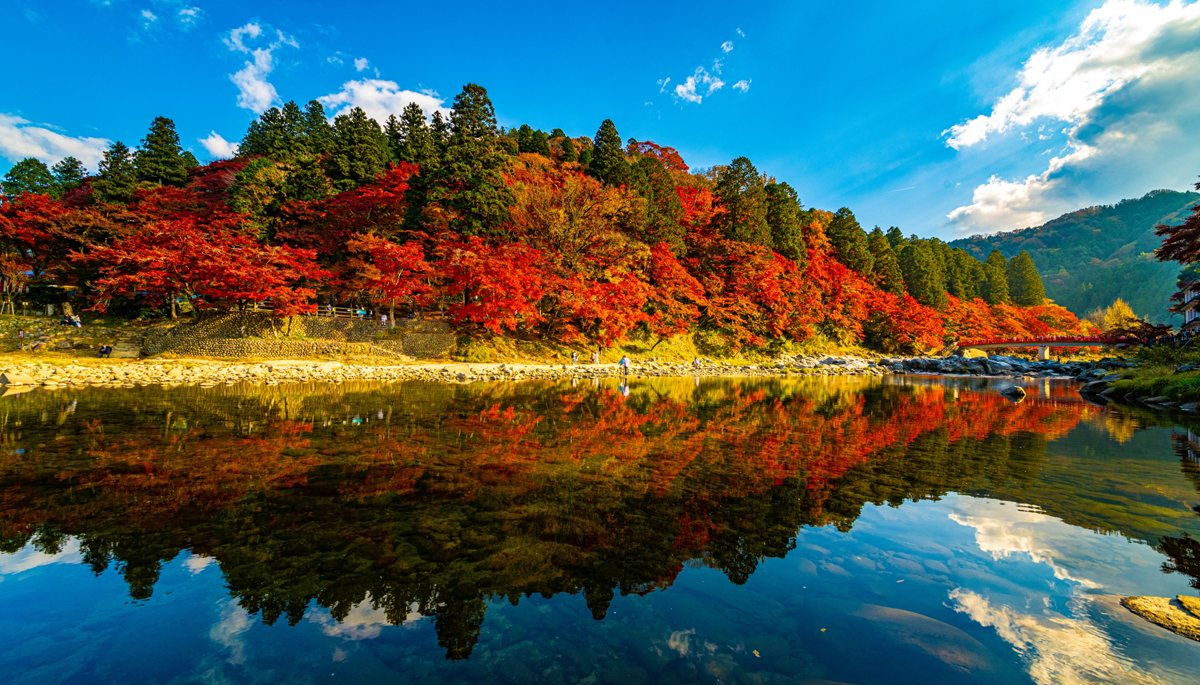
Korankei is one of the most famous places for autumn leaves in the Tokai region.
About 4,000 maple trees line the Tomoe River, creating spectacular red and orange scenery in autumn.
Mie Prefecture – Bays and Waterfalls
Ago Bay
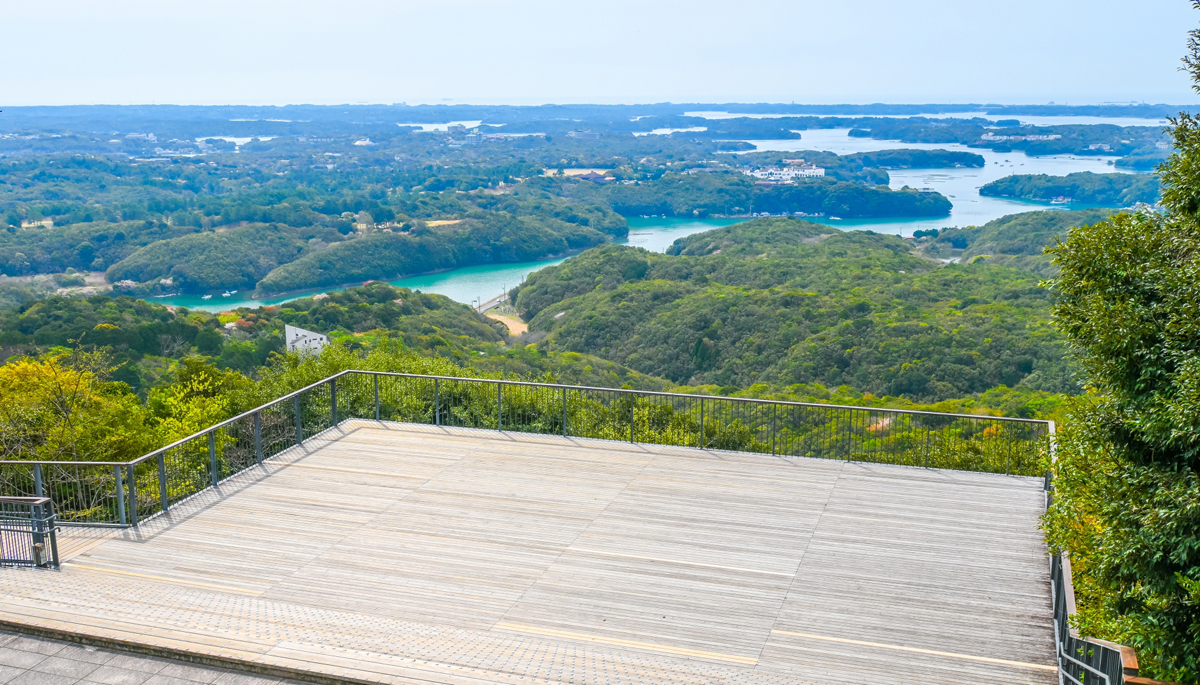
Ago Bay is known for its deeply indented coastline formed by a ria coast.
It is also famous for pearl cultivation and offers beautiful views of many small islands.
Akame Forty-Eight Waterfalls
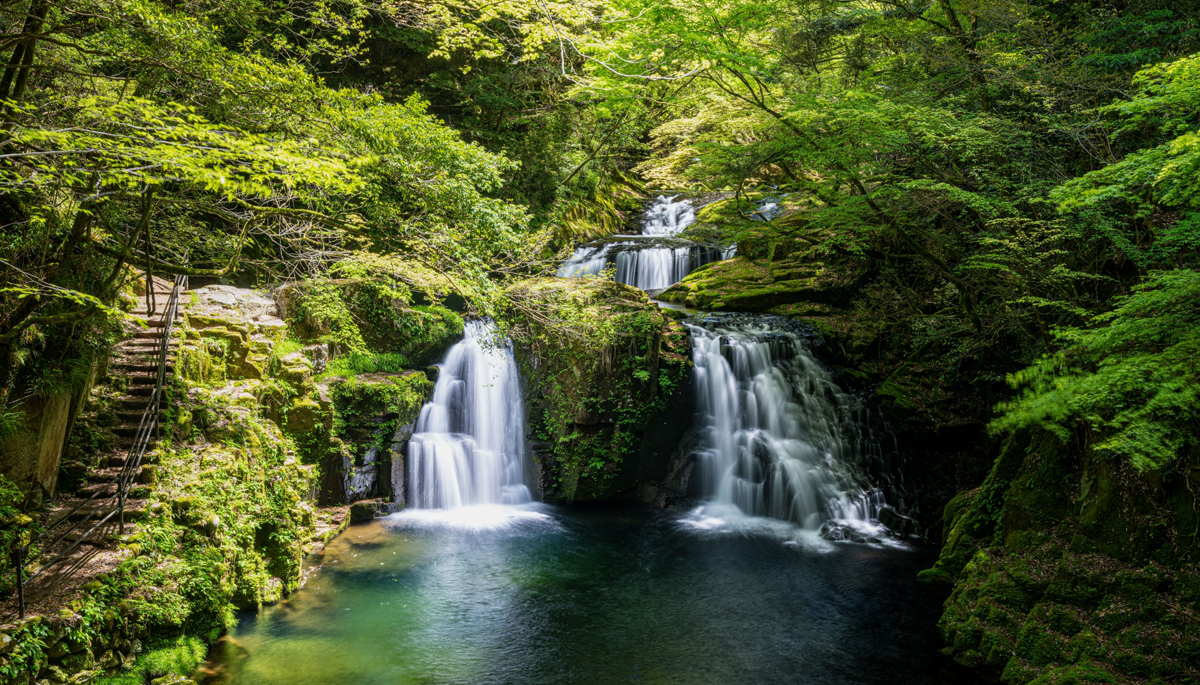
This scenic valley contains many waterfalls of different sizes.
Visitors can walk along a trail while enjoying the peaceful natural surroundings.
Conclusion
The Tokai and Hokuriku regions are rich in diverse natural scenery, from the rugged cliffs of the Sea of Japan to quiet lakes with views of Mount Fuji, colorful autumn landscapes, and refreshing valleys and waterfalls.
One of the greatest attractions of this region is the ability to experience many different types of nature—sea, mountains, rivers, and lakes—in a single area.
Because the scenery changes dramatically with each season, visitors can enjoy spring flowers, summer beaches, autumn leaves, and winter snow landscapes throughout the year.
Comments