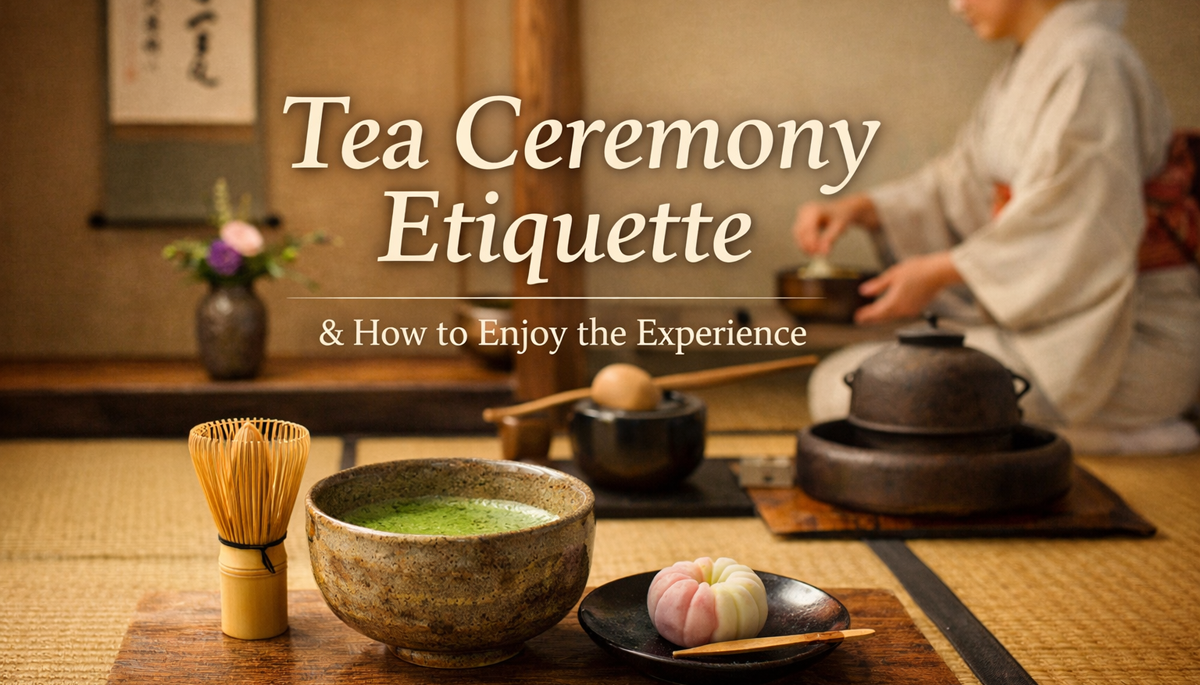
Even if you are interested in the Japanese tea ceremony, you may feel unsure about joining because the etiquette seems difficult. It is true that the tea ceremony has long-established manners and movements. However, in a program designed for travelers, you do not need to know every detailed step in advance. What matters most is respecting the setting, listening to the guidance, and taking part calmly.
A tea ceremony experience is not simply a tourist activity where you drink matcha. It is a chance to encounter Japanese cultural values through the atmosphere of the tea room, the handling of utensils, the serving of sweets, and the consideration shown to others. With a little preparation, you can feel more at ease on the day and notice more of what is happening around you. This article introduces the basic manners to know before joining a tea ceremony and the points that can help first-time visitors enjoy it more deeply.
What Kind of Experience Is a Tea Ceremony?
An Accessible Experience for First-Time Visitors
Tea ceremony programs for travelers are often arranged in a more accessible form rather than as a full formal tea gathering. Venues vary, including tea rooms in gardens, cultural facilities, rooms in accommodations, and visitor-oriented experience spaces. What they have in common is that each movement and each utensil is treated with care in a calm setting.
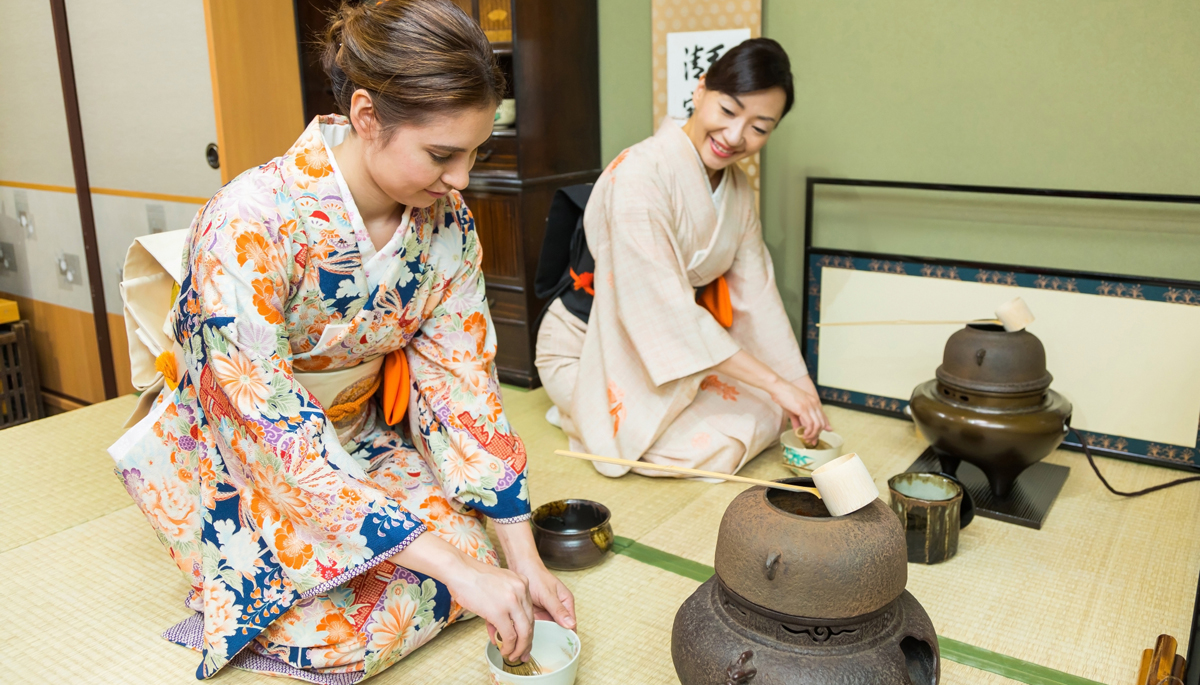
Participants usually enter the venue, take a seat, listen to an explanation, and then receive Japanese sweets and matcha. Depending on the program, you may not only watch the host prepare the tea but also have the chance to whisk matcha yourself using a bamboo whisk. Some venues provide explanations in English and are designed to make overseas visitors feel comfortable joining.
A Cultural Experience Centered on Stillness
Even when the program is made easy to understand for tourists, it is not just casual entertainment. In the tea ceremony, stillness and consideration for others are also important.
It feels a little different from joining a lively event. You naturally become more aware of your own movements and the volume of your voice. Knowing this in advance helps you take part without becoming overly nervous, while still remaining calm and respectful.
Basic Manners to Know Before Joining
Behave Quietly
The first thing to keep in mind is to behave quietly. In the tea ceremony, not only the matcha itself but also the atmosphere of the space is an essential part of the experience. Talking loudly or moving restlessly can disturb the quiet time that others are trying to appreciate.
When you enter the venue, it is a good idea to adjust to the atmosphere and speak a little more softly than usual.
Listen Carefully to the Guidance
It is also important to listen carefully to the guidance and explanations. The tea ceremony has a certain flow, but the content of each program differs slightly depending on the venue.
Where to sit, when to receive the sweets, and how to accept the tea bowl may all be explained differently from place to place. It is natural to follow the guidance given at that particular venue. Not knowing something is not a problem, but acting only on your own judgment without listening to the explanation may disrupt the flow of the experience.
Treat the Utensils and Space with Care
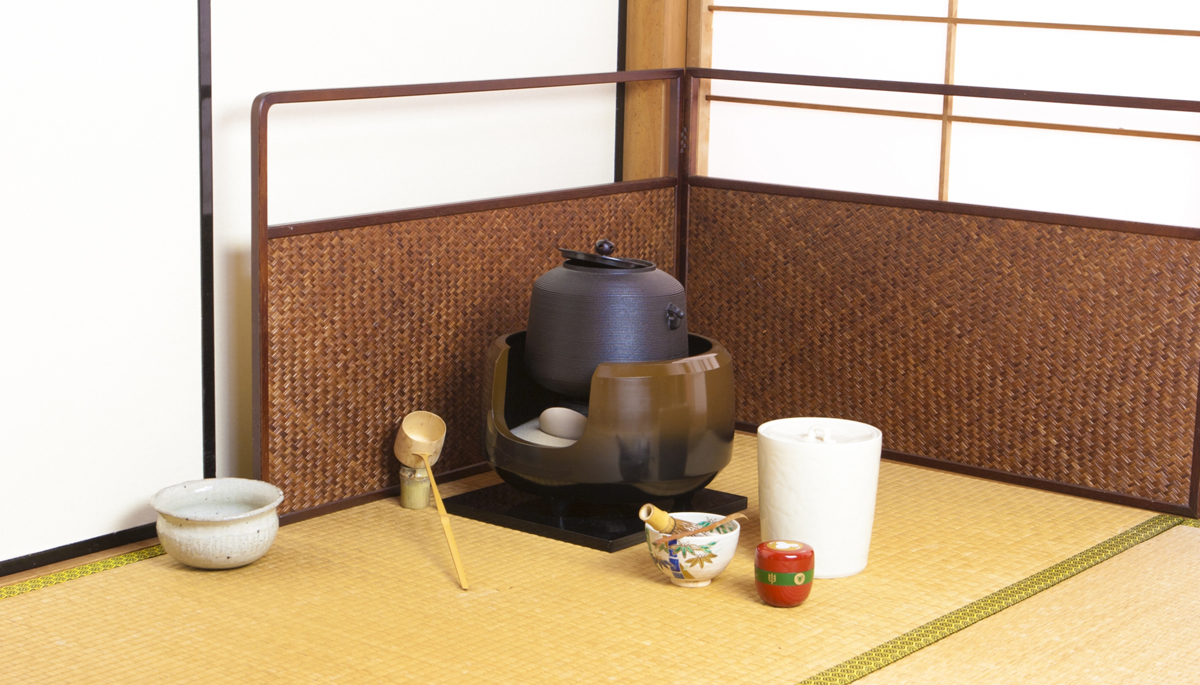
It is also important to treat the utensils and the space with care. Utensils such as the tea bowl and bamboo whisk are not just tools. They are objects handled with respect throughout the experience.
Avoid touching them casually or picking them up unless you are invited to do so. It is best to handle them according to the guidance you receive. The hanging scroll, flowers, and tatami room are also part of the overall hospitality, so calm and careful movements after entering the room help you fit naturally into the setting.
Check Before Taking Photos
It is best to check in advance whether photography is allowed. In tourist-oriented programs, taking photos may be permitted, but that does not mean every moment can be photographed freely.
There may be times when it is better to avoid taking photos, such as before or after receiving matcha, or while an explanation is being given. The tea ceremony values the present moment, so if too much attention goes toward taking pictures, it can become harder to appreciate the experience itself.
Be Mindful of Time and Fragrance
Being on time is another basic form of consideration. Tea ceremony programs often have a set number of participants and a fixed flow. If you arrive late, it can affect not only you but also the progress of the whole group. Travel plans can shift because of transportation or route changes, but on the day of a tea ceremony, it is best to leave with a little extra time.
It is also better to use perfume and strongly scented products sparingly. In the tea ceremony, the aroma of matcha, the flavor of Japanese sweets, and the air of the tea room are all part of the experience. Strong scents may interfere with subtle elements that other participants are trying to enjoy, even if you do not notice the scent yourself.
Clothing and Belongings to Keep in Mind
You Do Not Need to Wear Kimono
Some visitors may wonder whether they must wear kimono to take part in a tea ceremony. In most programs designed for travelers, however, everyday clothing is acceptable.
What matters is not dressing in an especially formal or decorative way, but choosing clothing that feels calm and appropriate for the setting. Clothes in very bold colors or accessories that make noise may stand out more than expected, so simple clothing that suits a quiet space is usually more comfortable.
Pay Attention to Your Feet in Tatami Rooms
If the venue is a tatami room, you will usually need to remove your shoes before entering. For this reason, it is best to avoid going barefoot. Wearing clean socks shows respect for the space and helps you feel more comfortable during the experience.
Plain white socks are a safe choice, especially in a more traditional or formal setting. If white socks are not available, simple, clean socks in a subdued color are usually fine. It is also helpful to choose shoes that are easy to take off and put on, so you do not feel rushed when entering or leaving the room.
Check in Advance if Sitting in Seiza Is Difficult
Some visitors may be concerned about how they will sit. The tea ceremony is often associated with seiza, the formal way of sitting on the floor with the legs folded underneath the body. However, tourist-oriented programs do not always require participants to sit in seiza for a long time.
Some venues provide chairs or offer support for guests who have difficulty sitting on the floor. If you have concerns about your knees, ankles, or legs, it is best to ask before making a reservation or when you arrive. Forcing yourself into an uncomfortable position can make it harder to focus on the experience itself.
Keep Your Belongings Minimal
It is easier to move calmly if you bring only a small amount of luggage. Large backpacks or many shopping bags can make it difficult to move in a tea room or other compact space.
If necessary, follow the venue’s instructions and ask where to place your belongings. With smartphones and cameras, it is also better not to keep them in your hands the whole time unless you need them. Keeping your hands free and your attention on the experience makes it easier to feel the atmosphere of the space.
Understanding the Basic Flow of the Experience
Entering the Venue and Taking a Seat
If you are joining a tea ceremony for the first time, not knowing what will happen can make you feel nervous. The details vary, but understanding the general flow can help you feel more comfortable.
First, you enter the venue and sit where you are guided. In a tea room or Japanese-style room, the size of the room, the view of the garden, and the arrangement of the hanging scroll and flowers all have meaning. Once seated, taking a quiet moment to look around before the explanation begins can help you absorb the atmosphere of the space.
Receiving Japanese Sweets
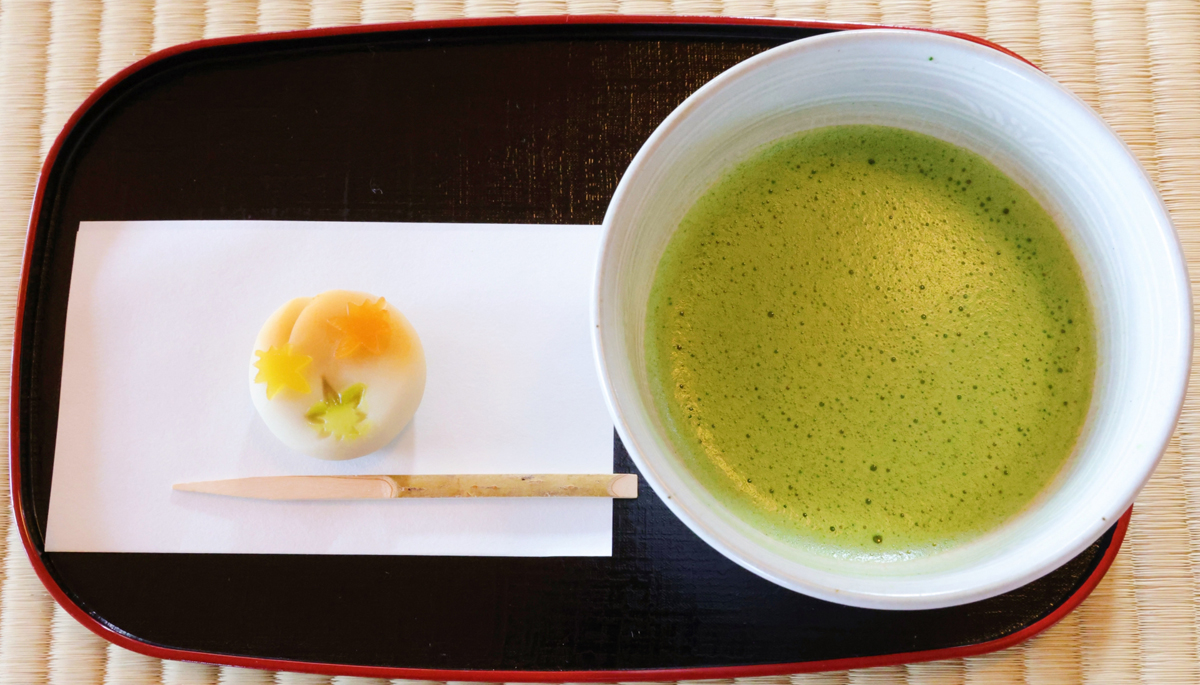
After that, there is usually an explanation of the experience, and Japanese sweets may be served. These sweets are often eaten before the matcha, and you can enjoy both their appearance and flavor.
Their shapes and colors may change with the season, and this is another place where a Japanese sensitivity to the seasons appears.
Watching the Matcha Being Prepared
Next, the matcha is prepared. Depending on the venue, you may watch the host prepare the tea, or you may be invited to whisk the matcha yourself.
In either case, observing how the bamboo whisk is used, how the tea bowl is handled, and how the utensils are placed can show you how carefully each movement is treated in the tea ceremony.
Receiving Matcha and Appreciating the Utensils
When you receive the matcha, there is often a simple explanation about how to drink it and how to hold the tea bowl. Even if it is your first time, you will usually be guided on the spot, so you can simply listen calmly and follow along.
After drinking the tea, there may also be time to look at the shape and texture of the tea bowl. At the end, the host or guide may explain the utensils and the room arrangement, or there may be time for questions.
Points That Make the Experience Easier to Enjoy
The Combination of Japanese Sweets and Matcha
In a tea ceremony, it would be a shame to focus only on drinking matcha. When you widen your perspective a little, there are many details that first-time visitors can enjoy.
One of the easiest things to notice is the combination of Japanese sweets and matcha. The sweets are not there only to add sweetness. They also help bring out the flavor of the matcha. By eating the sweet first, the gentle bitterness and aroma of the matcha can become clearer when you drink it afterward. If you pay attention to the change in taste, you can see that the tea ceremony is carefully arranged even in the order of eating and drinking.
Utensils Such as the Tea Bowl and Bamboo Whisk
It is also interesting to look at utensils such as the tea bowl and bamboo whisk. At first, tea bowls may seem similar, but each one differs in shape, weight, color, and texture.
They may be chosen according to the season or the occasion. While they are practical objects, beauty is also valued. When you notice how the tea ceremony expresses seasonality and hospitality through its utensils, the experience becomes more memorable.
Seasonal Feeling in the Hanging Scroll and Flowers
The hanging scroll and flowers also contain elements that feel distinctly Japanese. Because there are not many objects in the room, the meaning of each one becomes easier to notice.
Rather than decorating the space lavishly, the tea ceremony conveys the season and the mood of the occasion by placing only what is needed, quietly and carefully. If you have time, it is worth paying attention to what kind of flowers are arranged and what words or images appear on the hanging scroll.
The Beauty of Movement and Quiet Pauses
The movements themselves are also an important part of the experience. The act of preparing tea is not about showing speed. It proceeds through a calm flow with very little wasted motion.
There may not be any dramatic movement, but as you focus on the quiet gestures, you begin to sense how the tea ceremony values each moment. If an explanation is provided, listening to the meaning behind the movements can make the experience easier to understand.
Why It Is Okay Not to Be Perfect
Experiences for Travelers Are Designed for Beginners
Before joining a tea ceremony, you may worry about accidentally doing something rude. However, many tourist-oriented tea ceremony programs are prepared with first-time visitors in mind. You do not need to memorize the etiquette from the beginning.
Respect Matters More Than Exact Correctness
What is truly valued in the tea ceremony is not only the accuracy of each movement, but also respect for the people and the space around you. If you try to respect the quiet setting, listen to the explanation, and handle the utensils carefully, you will naturally fit into the atmosphere.
On the other hand, even if someone knows the detailed steps, it is difficult to understand the spirit of the tea ceremony without consideration for the setting.
Follow the Guidance When You Are Unsure
If you do not know what to do, following the guidance given on the spot is enough. How to hold the tea bowl, when to receive the sweets, and similar points are often explained as the experience progresses.
There is no need to feel embarrassed about being a beginner. Because you are new to the experience, listening calmly is one of the most important things you can do.
A Little Nervousness Is Part of the Experience
Feeling a little nervous is not unusual. In fact, because you are facing a quiet cultural experience that is different from everyday life, you may naturally sit a little straighter and become more attentive.
That slight nervousness can also make the atmosphere of the tea room and the impression of a single bowl of matcha stay in your memory. Rather than trying to do everything perfectly, it may be better to take part with the intention of receiving the time and atmosphere with care.
Conclusion
A tea ceremony is not a place where your knowledge of correct etiquette is being tested. It is a place to slowly experience Japanese culture through matcha, sweets, utensils, movements, and consideration for others in a quiet setting. Knowing a few basic manners in advance can greatly ease your anxiety on the day.
When traveling, it is natural to focus on visiting famous sights, but a tea ceremony offers the value of pausing for a while and appreciating time itself. Seeing, drinking, and waiting each carry meaning, so even a short experience can leave a lasting impression. For those who want to spend a calm moment in Japan, a tea ceremony can be an excellent choice.