The Tohoku region is located in the northern part of Honshu, Japan’s main island.
It is known for its rich natural environment, including mountains, lakes, valleys, and long coastlines.Below, we introduce representative natural scenic spots in each prefecture.
- Aomori Prefecture – Lakes, Mountains, and Mysterious Scenery
- Iwate Prefecture – Coastlines, Valleys, and Underground Wonders
- Miyagi Prefecture – Islands and Volcanic Lakes
- Akita Prefecture – Mountains and Beautiful Valleys
- Yamagata Prefecture – Sacred Mountains
- Fukushima Prefecture – Colorful Lakes and Rock Formations
- Conclusion
Aomori Prefecture – Lakes, Mountains, and Mysterious Scenery
Lake Towada
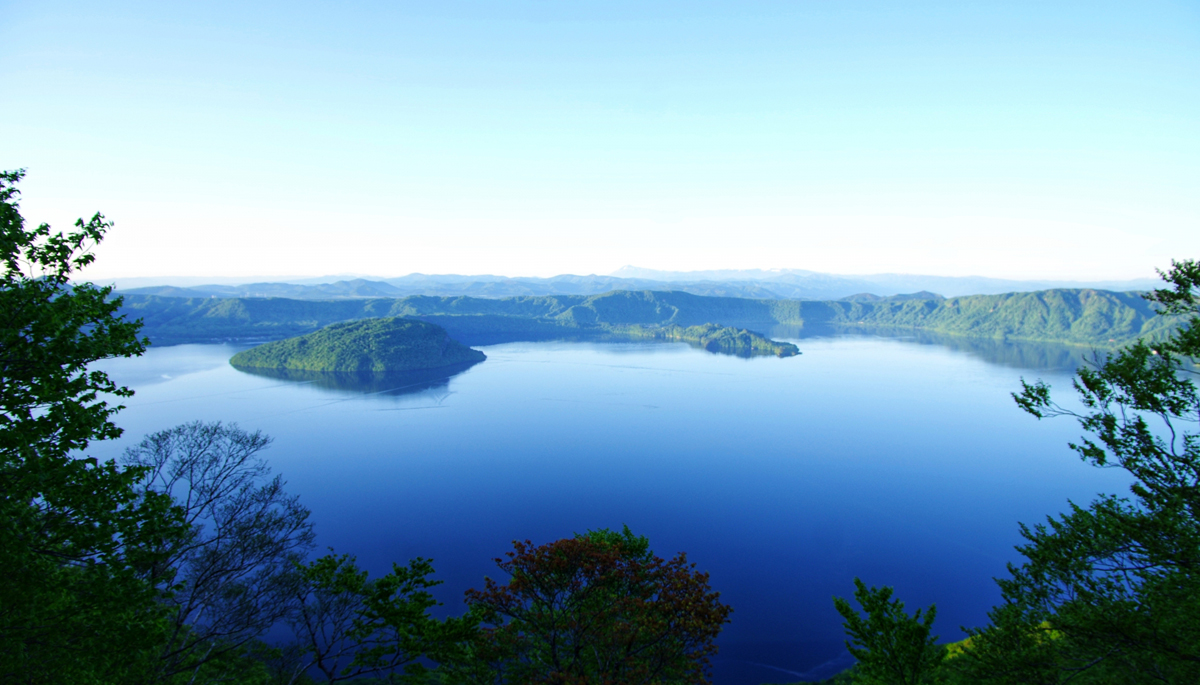
Lake Towada is a large caldera lake located on the border of Aomori and Akita prefectures.
Its deep blue water is very beautiful, and sightseeing boats offer wonderful views of the surrounding mountains.
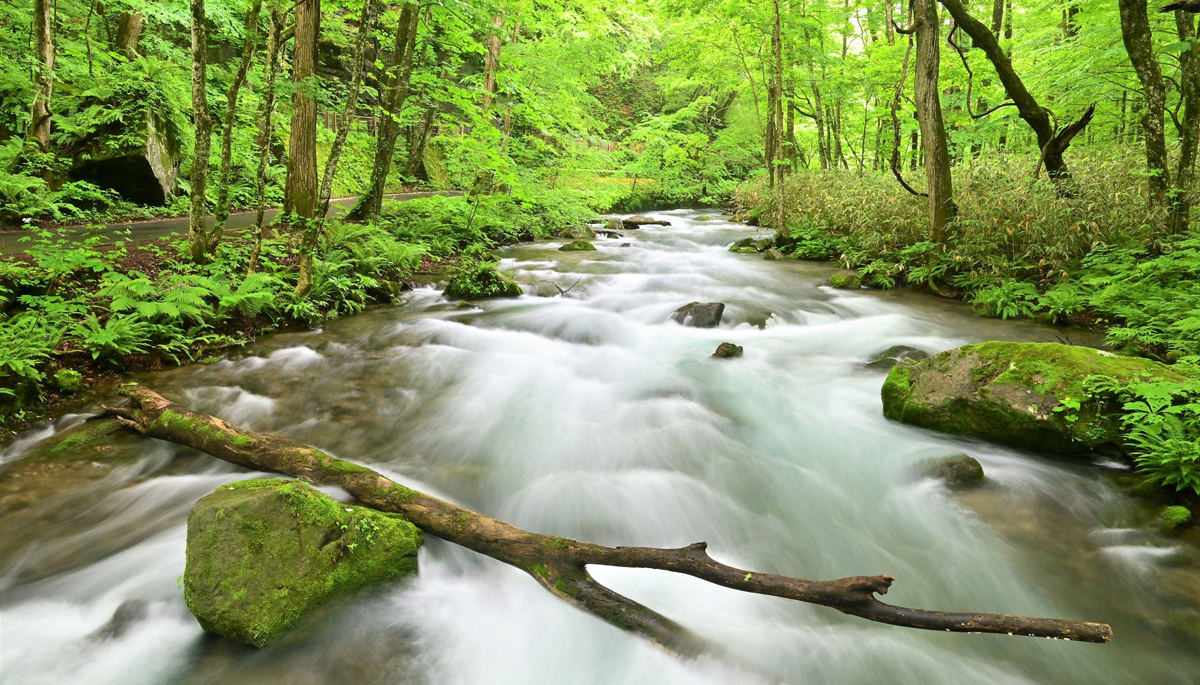
Oirase Gorge
Oirase Gorge is a clear mountain stream flowing from Lake Towada.
Along the walking path, visitors can see moss-covered rocks, small waterfalls, and seasonal scenery throughout the year.
Mount Hakkoda
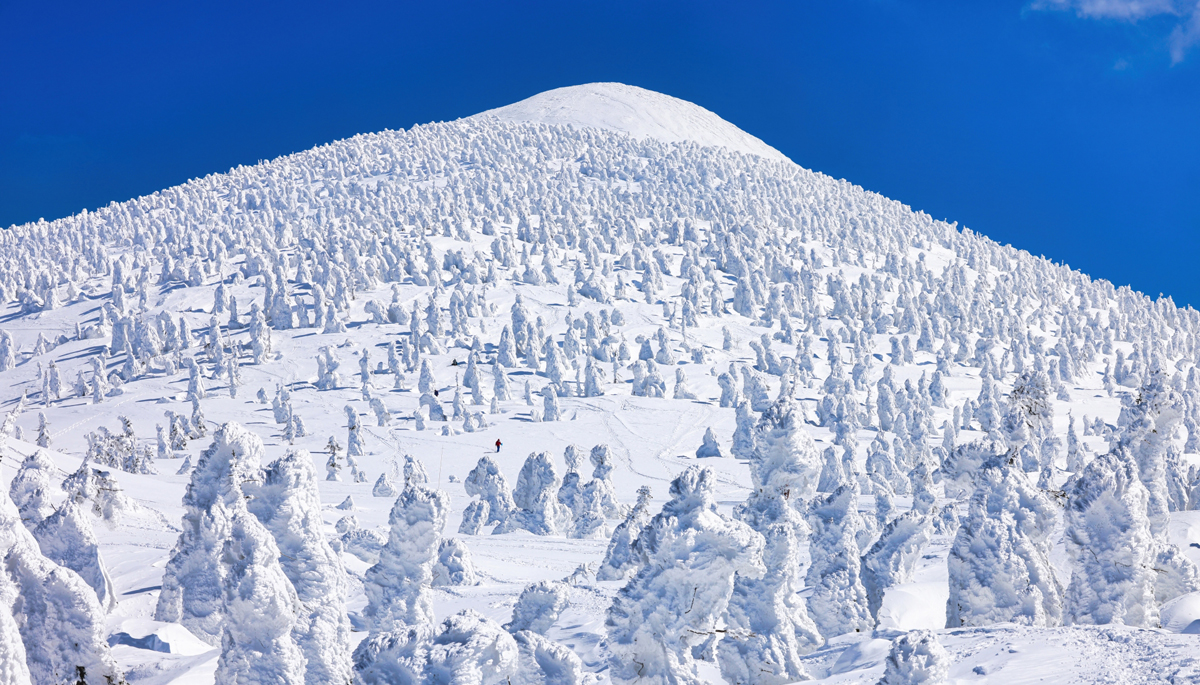
Mount Hakkoda is a popular area for hiking and skiing.
In winter, trees are covered with snow and ice, forming shapes known as “snow monsters,” which attract many visitors.
Shirakami-Sanchi
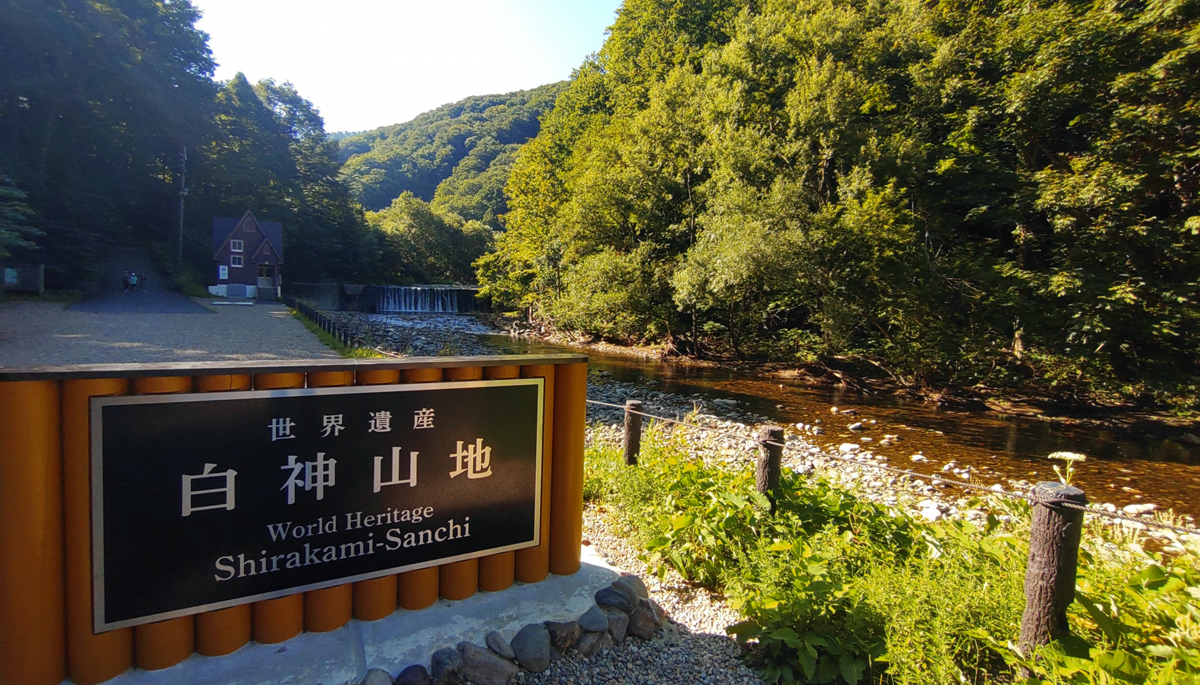
Shirakami-Sanchi is a vast primeval beech forest and a UNESCO World Natural Heritage site.
It preserves a rich ecosystem and offers trekking routes where visitors can feel deep, untouched nature.
Hotokegaura
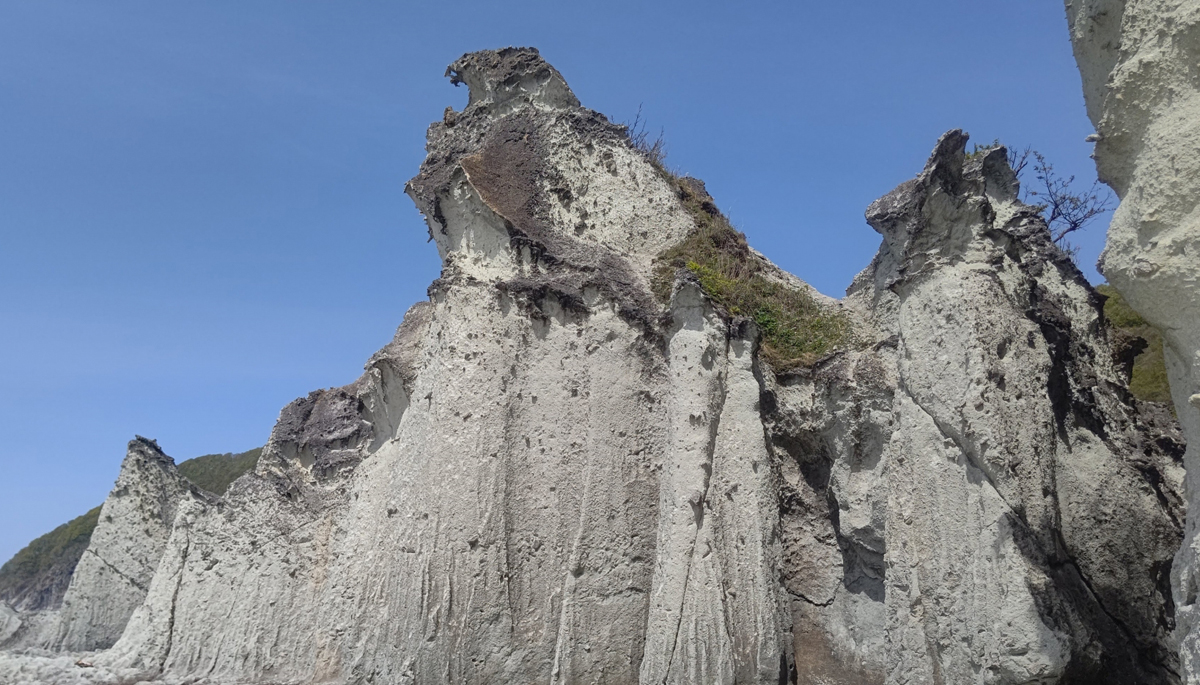
Hotokegaura is a coastal area on the Shimokita Peninsula, famous for its unusual white rock formations.
The rocks look like Buddhist statues, creating a mysterious and sacred atmosphere.
Views from the sea are especially impressive.
Mount Osore
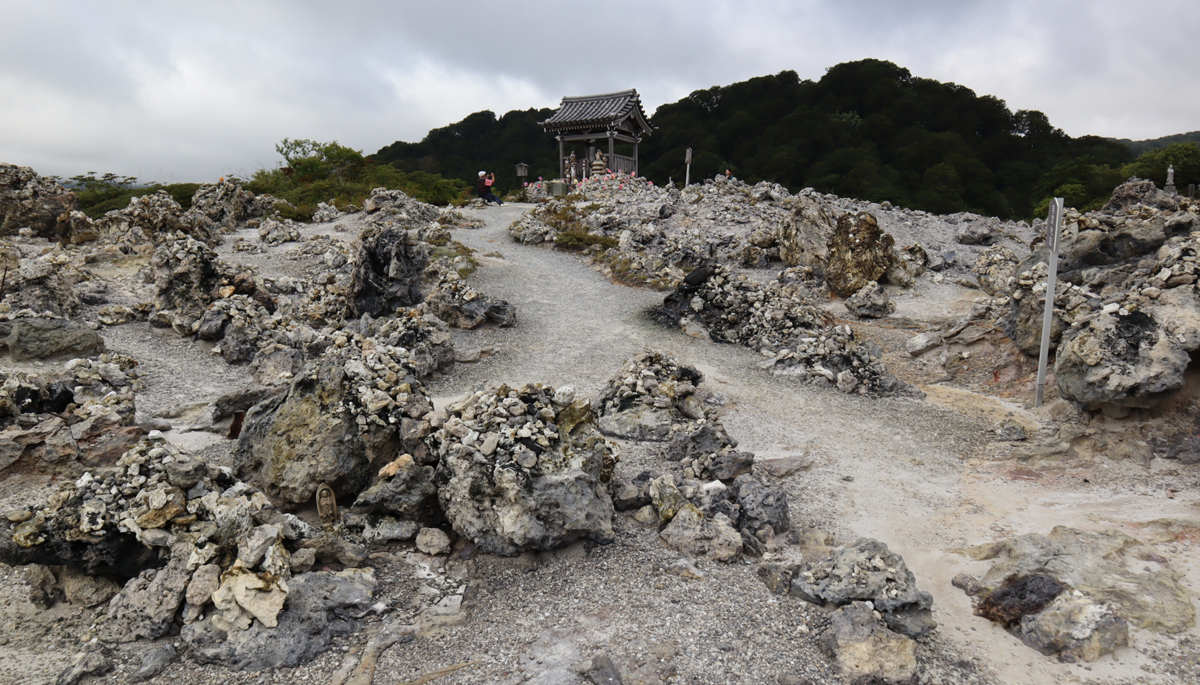
Mount Osore is known as a sacred place with a harsh, volcanic landscape.
The smell of sulfur and the barren land create a unique atmosphere, often described as a place between heaven and hell.
Iwate Prefecture – Coastlines, Valleys, and Underground Wonders
Jodogahama
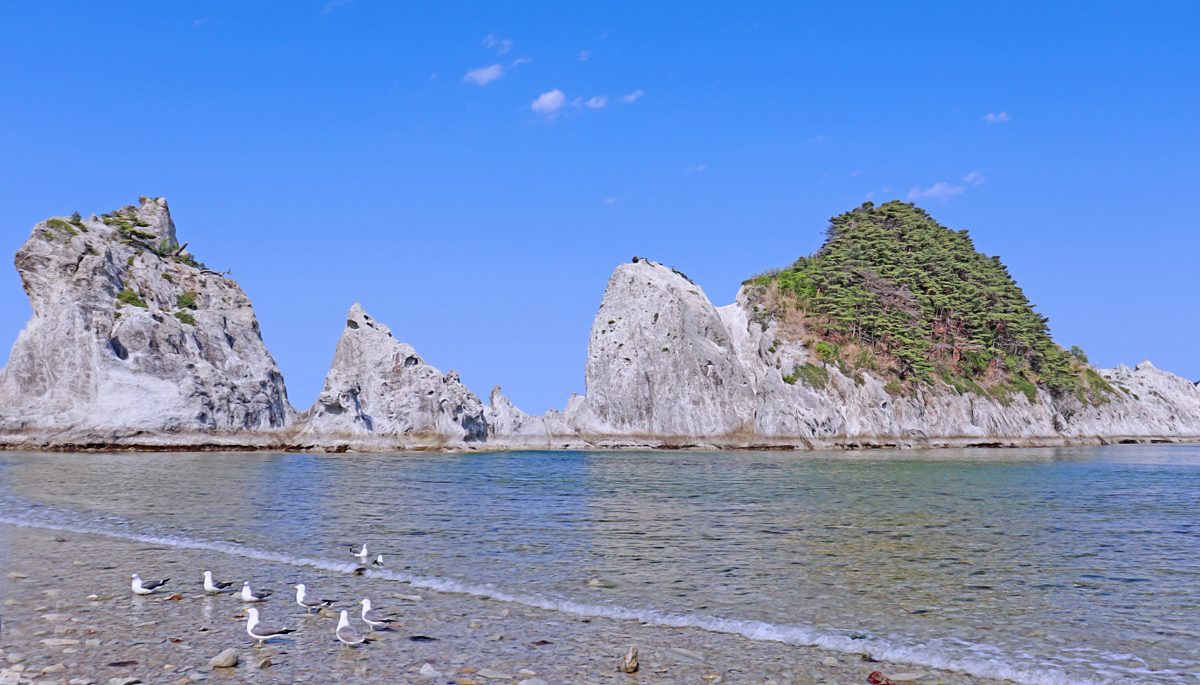
Jodogahama is one of the most famous scenic spots on the Sanriku Coast.
The contrast between white rock formations and the blue sea is striking, and the name means “Pure Land Beach.”
Kitayamazaki Coast
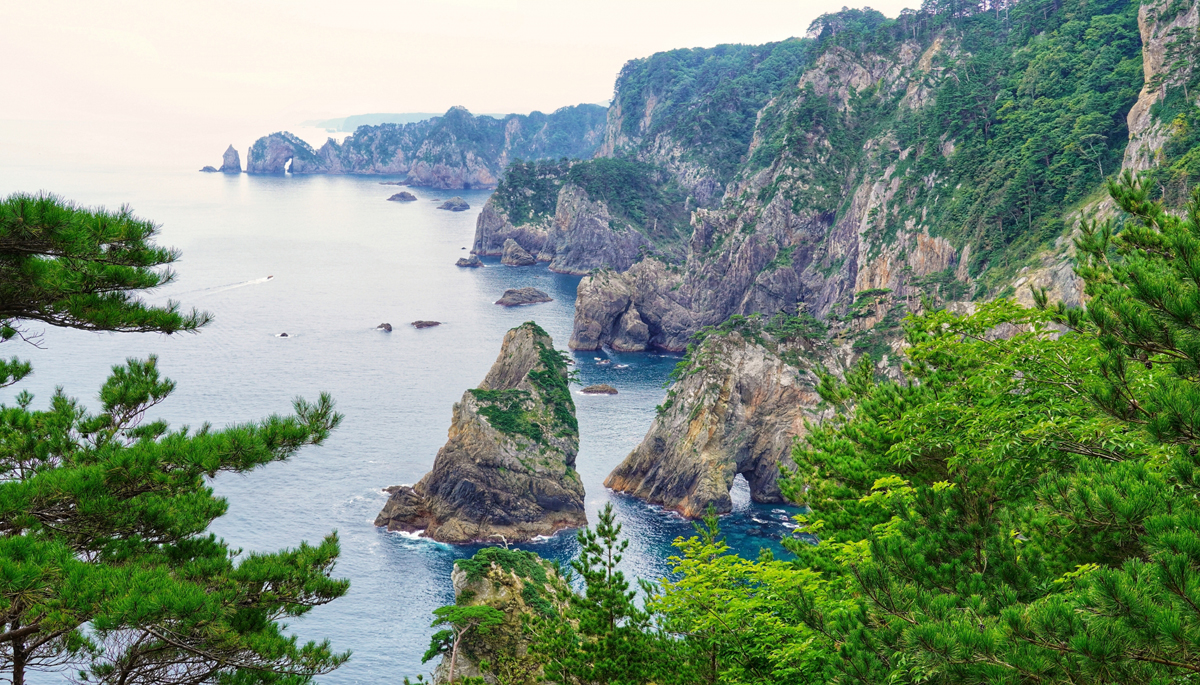
This coastline features dramatic cliffs rising over 200 meters above the sea.
Observation decks provide powerful views of the rugged Pacific coastline.
Geibikei Gorge
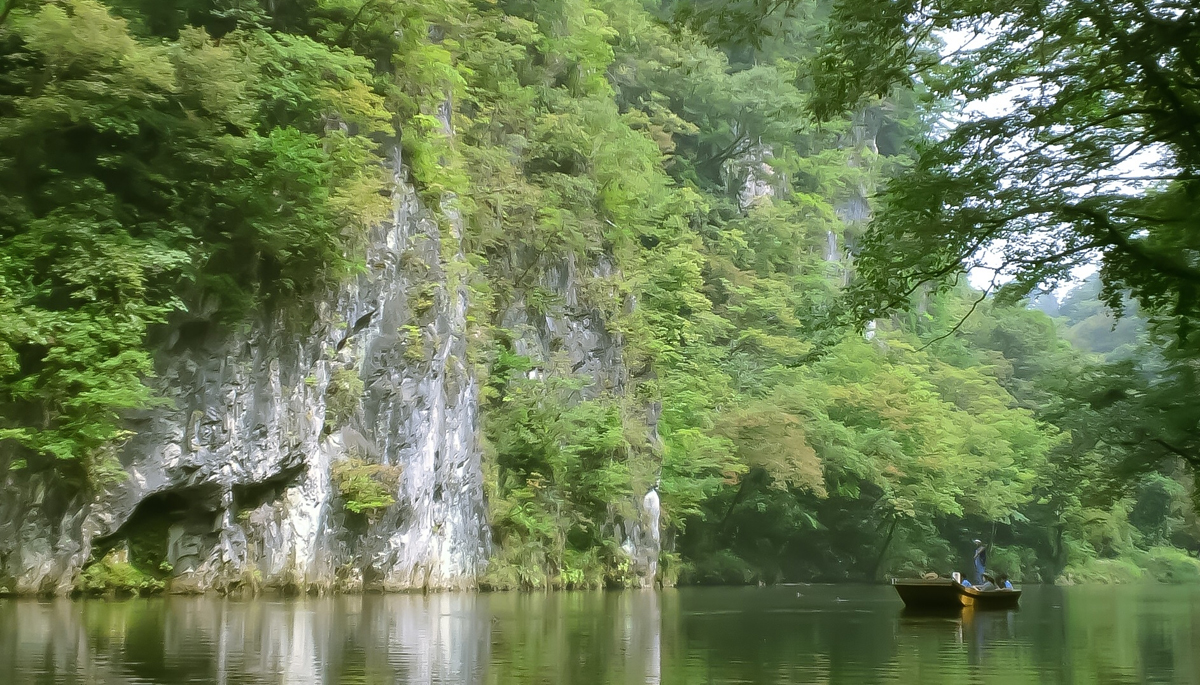
Geibikei Gorge is a river valley lined with limestone cliffs.
Boat rides allow visitors to enjoy quiet nature while listening to traditional songs sung by the boat operator.
Ryusendo Cave
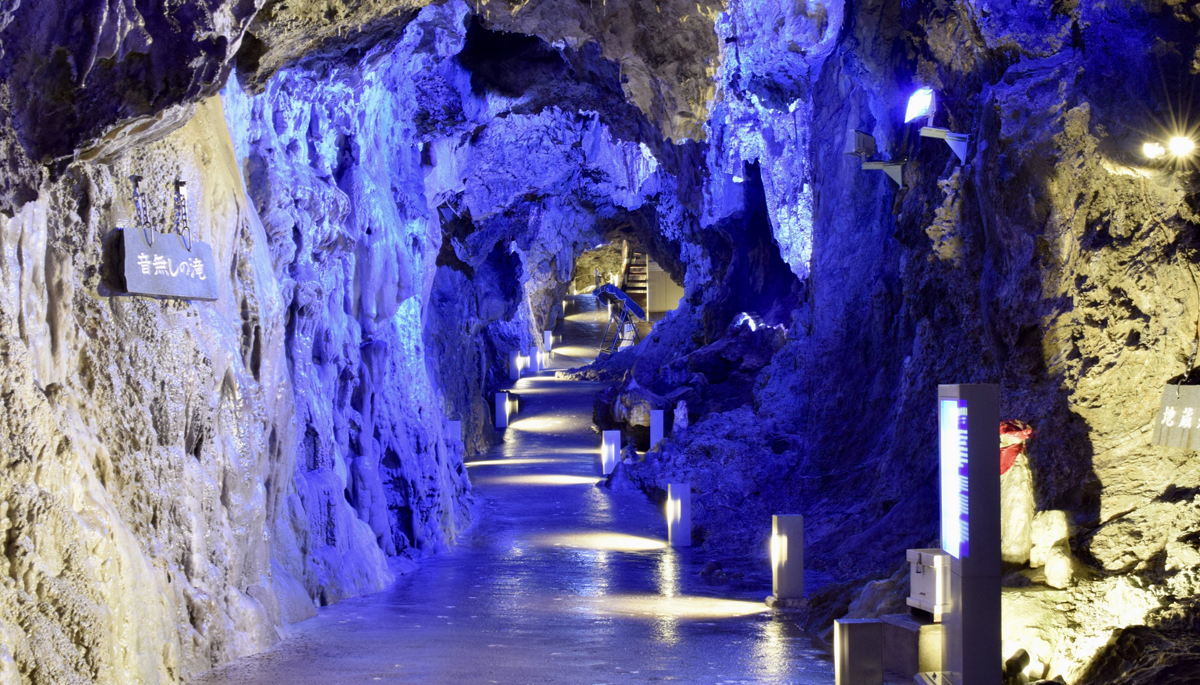
Ryusendo is one of Japan’s three largest limestone caves.
It contains clear underground lakes, and the illuminated interior creates a magical atmosphere.
Hiraizumi
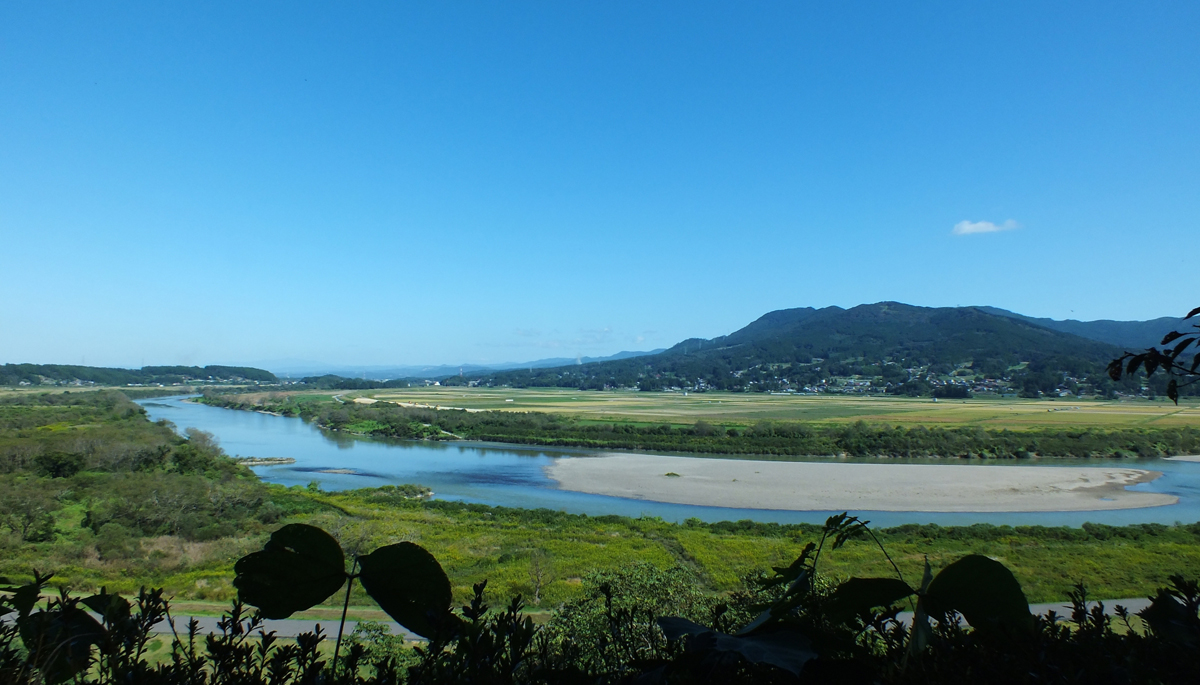
Hiraizumi is home to several UNESCO World Heritage temples, including Chuson-ji and Motsu-ji.
Here, visitors can enjoy a historical landscape where nature and Buddhist culture blend together.
Miyagi Prefecture – Islands and Volcanic Lakes
Matsushima and Matsushima Bay
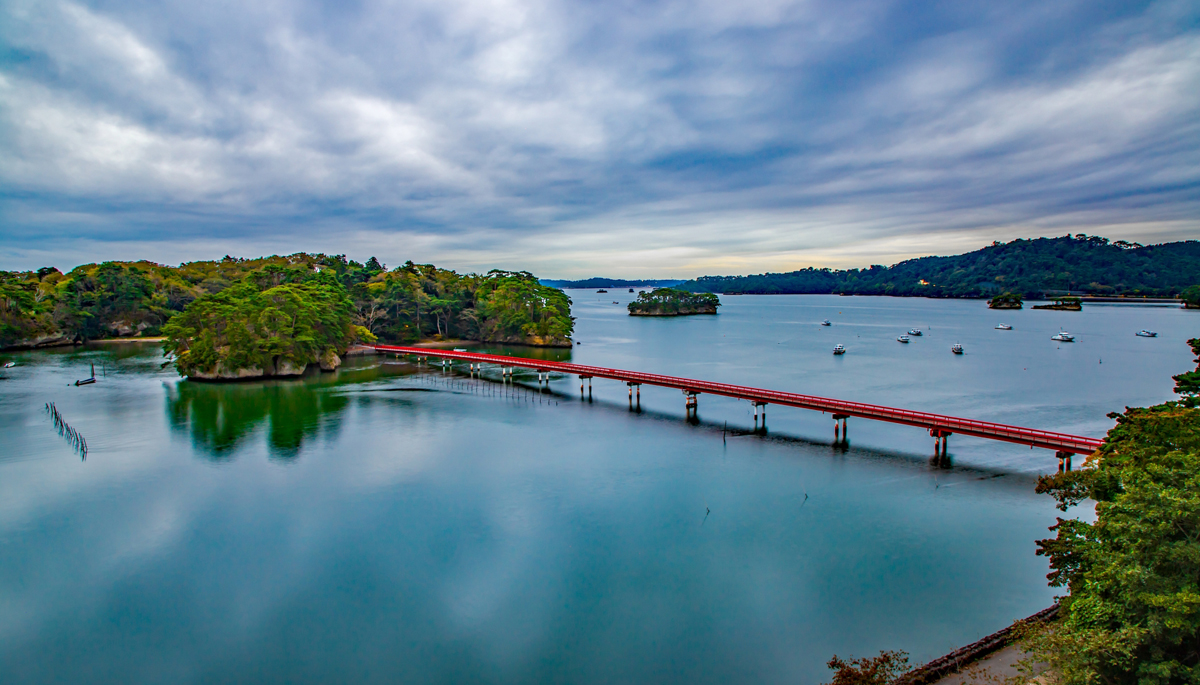
Matsushima is one of the “Three Most Scenic Views of Japan.”
More than 260 small islands are scattered across the bay.
Visitors can enjoy boat cruises as well as historic sites such as Zuigan-ji Temple.
Okama Crater Lake
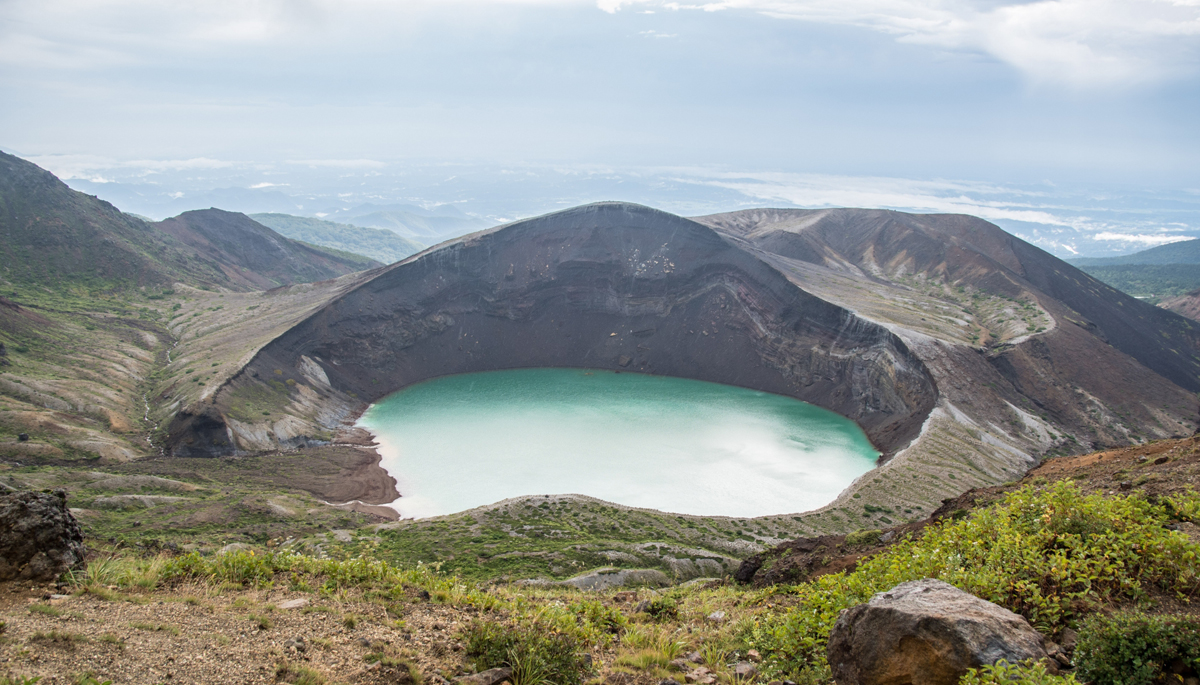
Okama is a volcanic crater lake in the Zao Mountains.
Its emerald-green surface changes color depending on the weather and season, creating a mysterious view.
Tashirojima Island
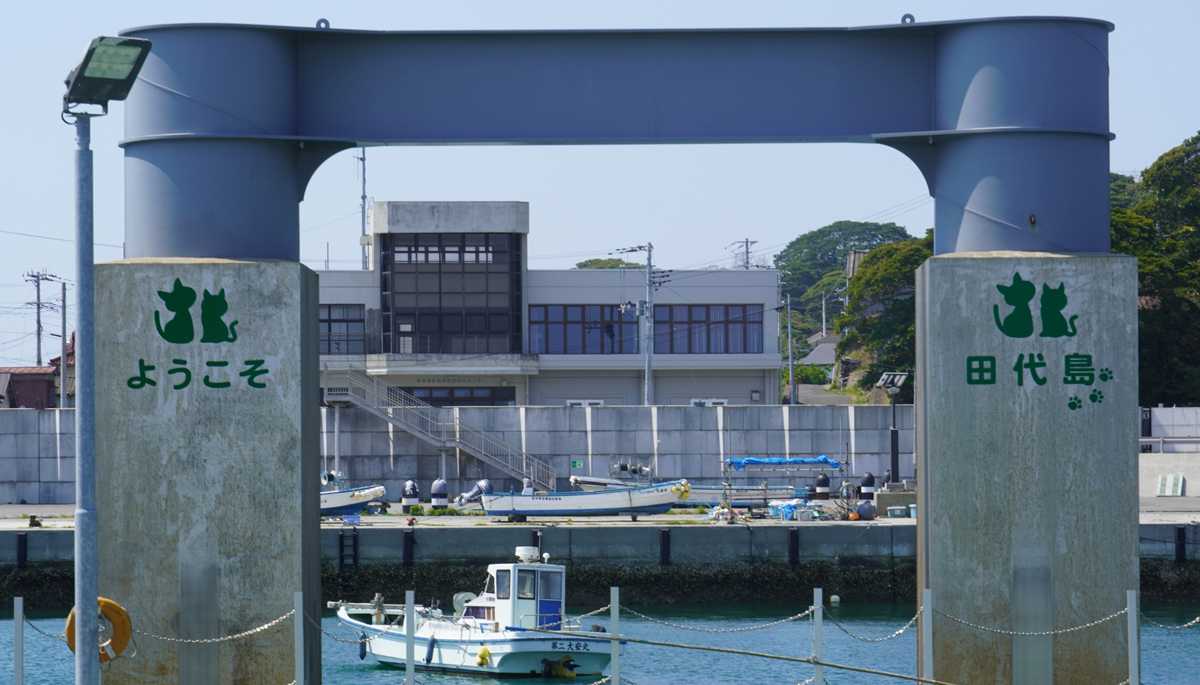
Tashirojima is known as “Cat Island,” where many cats live freely.
The relaxed atmosphere and friendly cats make it a unique and healing destination.
Akita Prefecture – Mountains and Beautiful Valleys
Mount Hachimantai
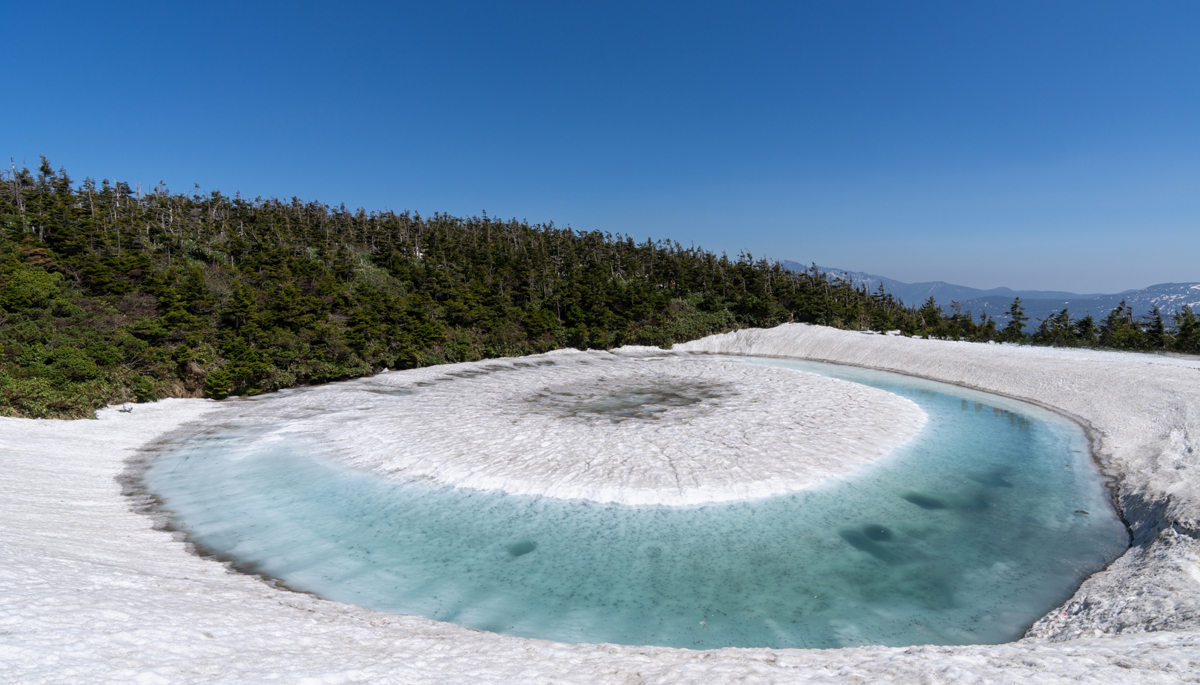
Mount Hachimantai is a highland area stretching across Akita and Iwate prefectures.
It features alpine plants, wetlands, and beautiful autumn colors.
Dakigaeri Gorge
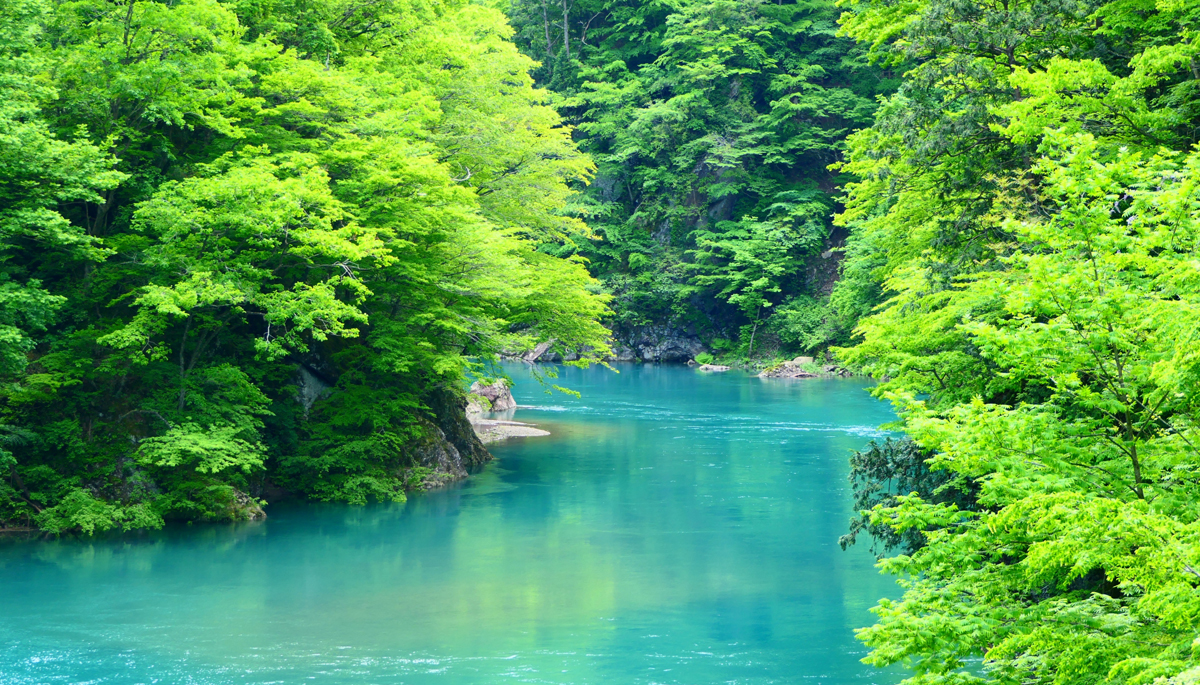
Dakigaeri Gorge is known for its clear blue river and steep cliffs.
Walking trails lead visitors past waterfalls and seasonal natural scenery.
Kakunodate Cherry Blossoms
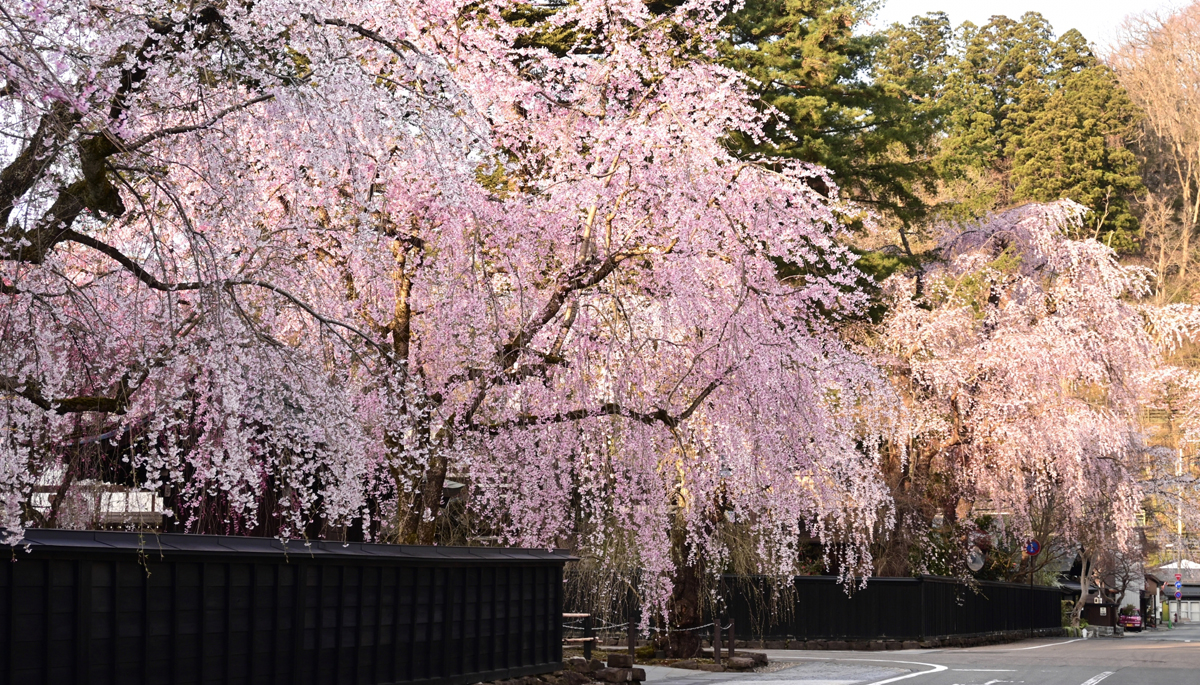
Kakunodate is often called the “Little Kyoto of Tohoku.”
In spring, cherry trees line the former samurai residences, creating one of Japan’s most famous cherry blossom scenes.
Yamagata Prefecture – Sacred Mountains
Dewa Sanzan
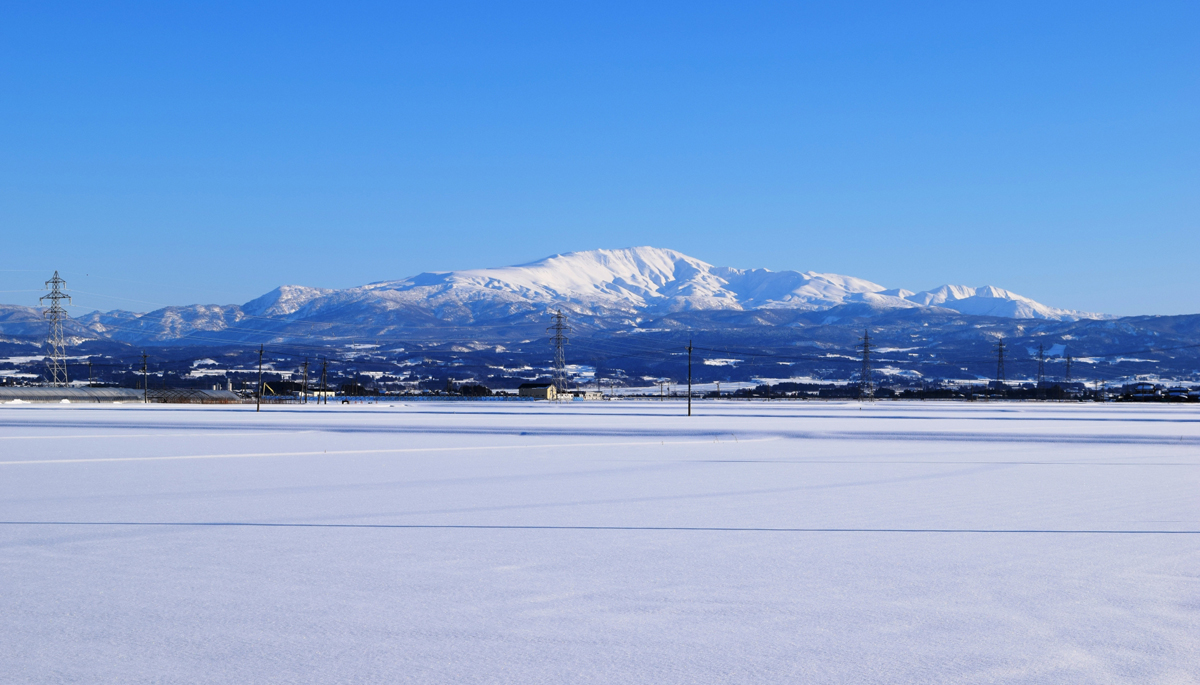
Dewa Sanzan consists of three sacred mountains: Mount Haguro, Mount Gassan, and Mount Yudono.
For centuries, these mountains have been a center of mountain worship and spiritual training, combining nature and faith.
Fukushima Prefecture – Colorful Lakes and Rock Formations
Goshikinuma Lakes
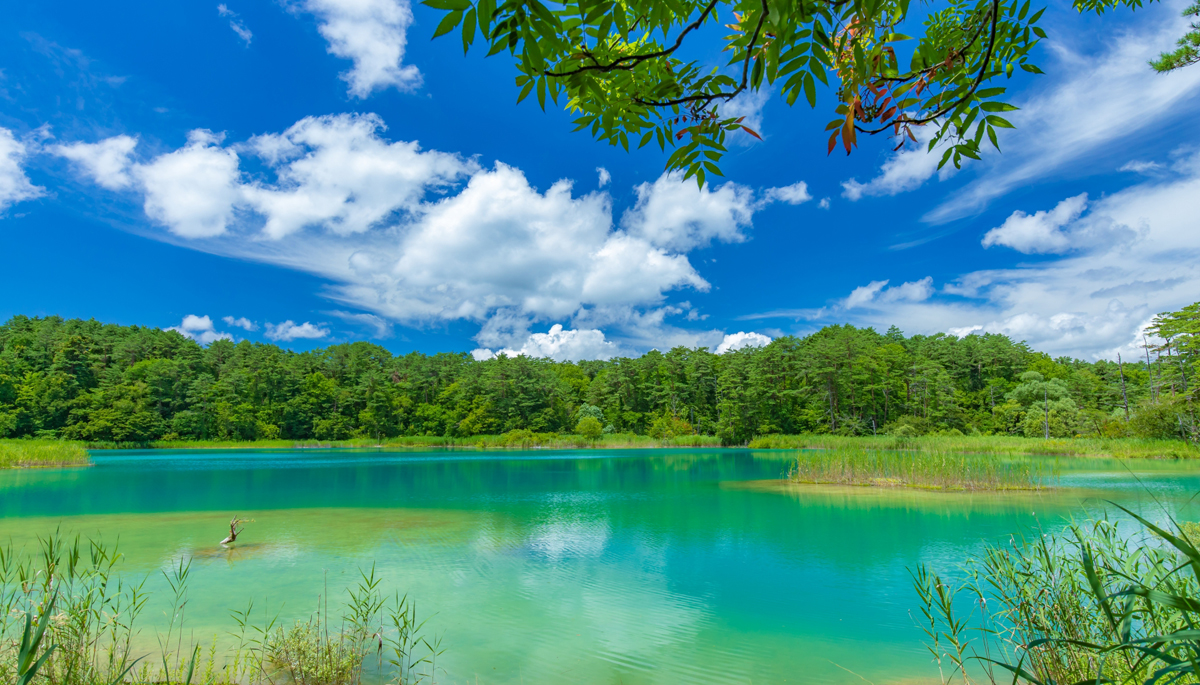
Goshikinuma is a group of small lakes located in the Urabandai area.
Each lake has a different color—emerald green, blue, or turquoise—depending on minerals and sunlight.
Tonohetsuri
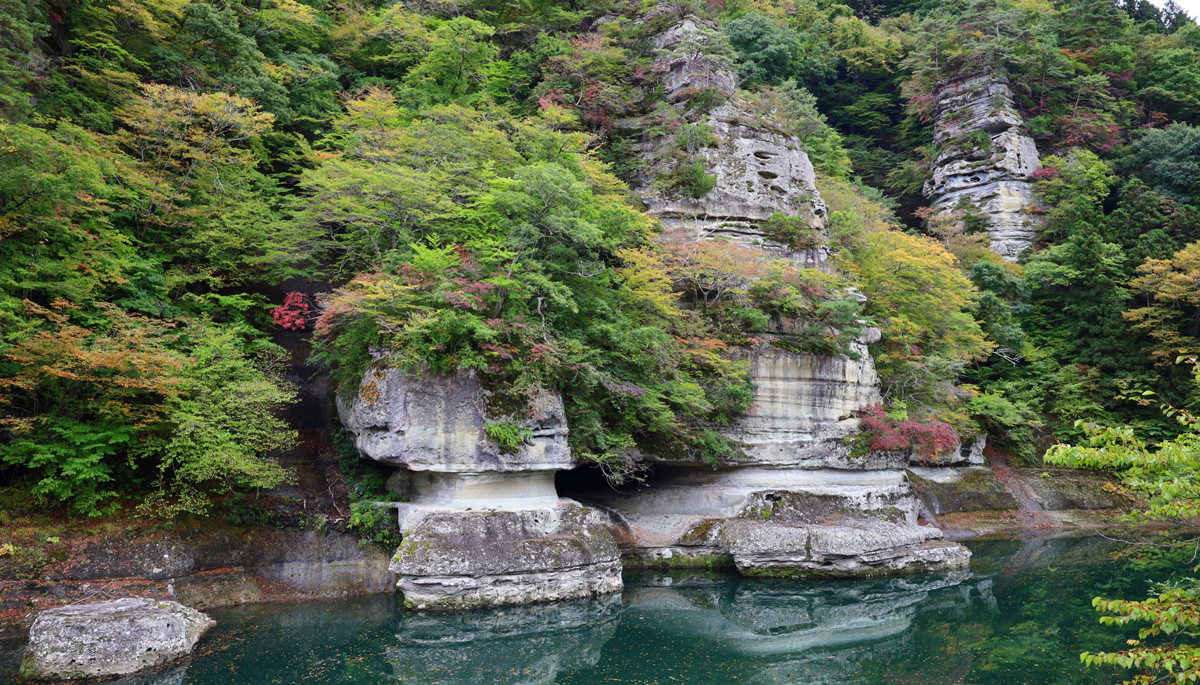
Tonohetsuri is a scenic gorge where strange rock formations line the river.
Over many years, erosion has shaped the rocks into tower-like forms.
A suspension bridge offers a great view of the area.
Conclusion
The Tohoku region is blessed with diverse natural landscapes, including grand mountains, mysterious lakes, dramatic coastlines, and quiet valleys.
Many places are also closely connected to history, religion, and traditional culture, adding depth to the scenery.
From cherry blossoms in spring to snowy landscapes in winter, Tohoku shows a different face in every season.
It is a region well worth visiting again and again, depending on the time of year and travel purpose.

Comments