When discussing Japanese culture, the term wabi-sabi is often used. It has also become known overseas, where it is sometimes introduced as a concept associated with old vessels, quiet gardens, simple tea rooms, and well-used tools.
However, wabi-sabi cannot be fully explained simply as “old things are beautiful” or “broken things are beautiful.” It contains a distinctly Japanese sensibility that does not seek excessive perfection, accepts the passage of time, and finds beauty in quietness and empty space.
It is a kind of beauty different from things that are perfectly arranged, highly ornate, or imagined as unchanging forever. Within wabi-sabi lies a way of finding deep charm in chips, fading colors, irregular shapes, stillness, and simplicity.
This article traces the meaning of wabi-sabi through the origins of the words, the tea ceremony, the view of nature, impermanence, everyday tools, and its connection with modern culture.
- The Meaning of the Term Wabi-Sabi
- Beauty That Does Not Seek Too Much Perfection
- Tea Ceremony and the Aesthetics of Wabi
- Sabi and the Beauty of Time
- Nature and Wabi-Sabi
- Impermanence and Wabi-Sabi
- Wabi-Sabi and Empty Space
- Wabi-Sabi in Everyday Tools
- Wabi-Sabi and Simplicity
- How Wabi-Sabi Is Received Overseas
- Wabi-Sabi in Modern Daily Life
- Perspectives for Understanding Wabi-Sabi
- Conclusion
The Meaning of the Term Wabi-Sabi
Today, wabi-sabi is often used as a single term, but it originally combines two sensibilities: wabi and sabi.
Wabi originally included meanings such as lack, loneliness, and a sense of being unsatisfied. Over time, it came to express the feeling of finding inner fulfillment within simplicity, without depending on outward wealth. It became connected with an aesthetic that finds deep richness in limited things rather than in the possession of luxury.
Sabi is connected with the quiet beauty, calmness, aged character, and withered elegance that appear as time passes. The dulling of metal, the luster of wood that has been touched and used over many years, moss spreading across stone, and the sense of time that settles into an old building all express something close to sabi.
If wabi is related to simplicity and inner fulfillment, sabi is related to the passage of time and quiet aging. When the two overlap, wabi-sabi can be understood as a sensibility that finds beauty in things that are imperfect, simple, and marked by time.
Beauty That Does Not Seek Too Much Perfection
An important point in understanding wabi-sabi is its distance from perfection. Western art and architecture have traditions that value symmetry, balance, ideal proportion, and permanence. Japanese culture also has forms of refined and splendid beauty, but wabi-sabi looks in a somewhat different direction.
In wabi-sabi, beauty may be found not in something perfectly uniform and flawless, but in a slightly irregular vessel, a tool that shows traces of handwork, wood whose color has changed over the years, or stone weathered by wind and rain.
This does not mean that something rough or careless is automatically beautiful. It also does not mean simply accepting broken things as they are. Rather, it is a sensibility that feels beauty when human hands, natural forces, and the passage of time overlap to create a unique expression that belongs only to that object.
Stepping slightly away from completely controlled beauty and accepting change and chance: this is where the quiet appeal of wabi-sabi can be found.
Tea Ceremony and the Aesthetics of Wabi
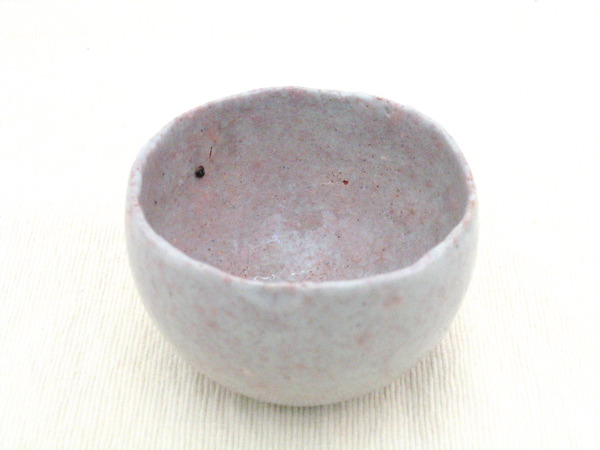
A simple tea bowl expresses the wabi-sabi appreciation of irregularity, texture, and quiet presence.
The tea ceremony is essential when discussing wabi-sabi. In particular, the tradition of wabi-cha associated with Murata Jukō, Takeno Jōō, and Sen no Rikyū discovered a kind of beauty different from tools that displayed luxury or authority.
In earlier periods, Japan’s rulers and upper classes valued kara-mono, tea utensils brought from China. These objects were treated as rare and refined treasures and held high status in the world of tea.
Within this context, Murata Jukō and others began to find beauty in domestic utensils and simple vessels closer to everyday life. Later, in the wabi-cha perfected by Sen no Rikyū, greater value came to be placed not only on expensive objects of perfect refinement, but also on utensils with the texture of clay, traces of handwork, slight irregularities, and a quiet presence.
This can be understood not as a rejection of culture from abroad, but as a shift in where value was placed. The focus moved from objects that displayed rarity and luxury to vessels that fit naturally in the hands of the user and supported a quiet moment between host and guest. Wabi-cha represents a major transformation in the aesthetics of tea.
A wabi-cha tea room is not a large or luxurious space. A small entrance, low ceiling, earthen walls, tatami mats, faint light, and a hanging scroll or flower placed in the alcove all create quiet tension and calm.
Tea bowls also reveal the aesthetics of wabi. A bowl with an uneven surface, a certain weight when held, or traces of glaze movement and firing chance has an appeal different from mechanical uniformity. The person drinking tea notices the shape, texture, weight, color, and slight irregularities of the bowl.
In the tea ceremony, wabi is not about pretending to be poor. It is the sensibility of quieting the mind by removing excess and placing only what is necessary with care. In a simple space, people, tools, sound, light, fragrance, and season come together to create a single moment.
Sabi and the Beauty of Time
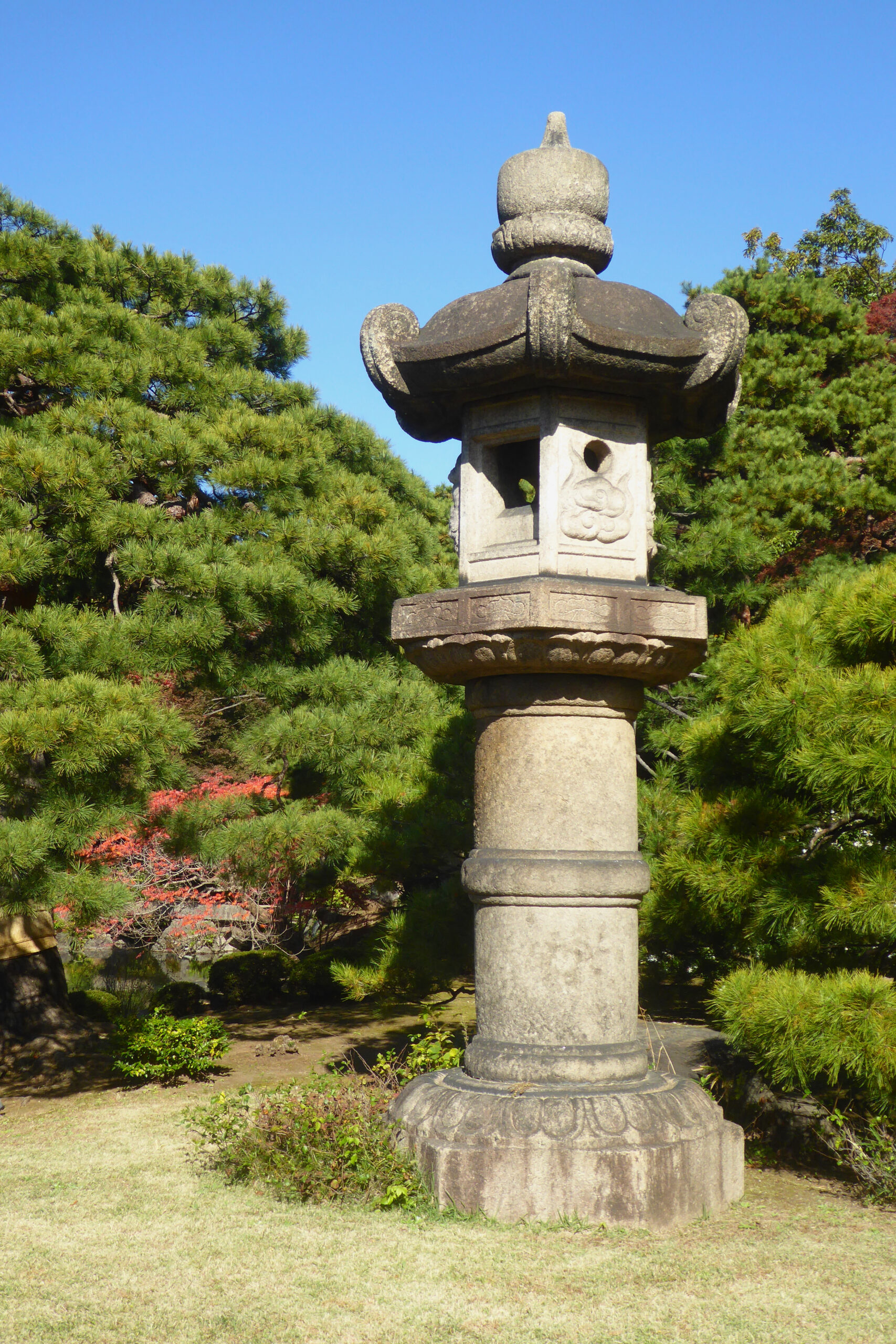
A stone lantern in a Japanese garden shows the quiet beauty created by time, weather, and natural aging.
Sabi is deeply connected with the beauty created by time. Something new and shining has its own beauty in that moment. On the other hand, something used over many years has a calmness that only accumulated time can create.
An old wooden pillar may have a luster from being touched by many hands. A stone lantern may carry an expression formed by rain and wind. A moss-covered garden may hold a quietness created by nature over a long span of time. The dull shine of metal, the fading of paper, and the small scratches on a vessel all reveal the time that the object has passed through.
In English, the word patina is sometimes used to describe the surface changes that appear on metal, wood, leather, and other materials over time. Sabi also includes the beauty of aging that appears on the surface of things. However, sabi does not refer only to an aged surface.
Sabi also contains a sense of impermanence: the awareness that all things gradually change, age, and eventually disappear. Its depth lies in looking at the changes that appear on the surface of an object and sensing the flow of time and quietness behind them.
The beauty of sabi does not draw attention in a loud or showy way. It is a beauty that becomes clear when we move closer and spend time looking. When we notice that old things contain the hands of people from the past, seasonal changes, and the work of nature, the way we see them changes.
The quiet atmosphere felt in Japanese gardens, temples, old houses, and tea utensils is connected with this sense of sabi. Its appeal lies in receiving the passage of time not only as loss, but also as depth.
Nature and Wabi-Sabi
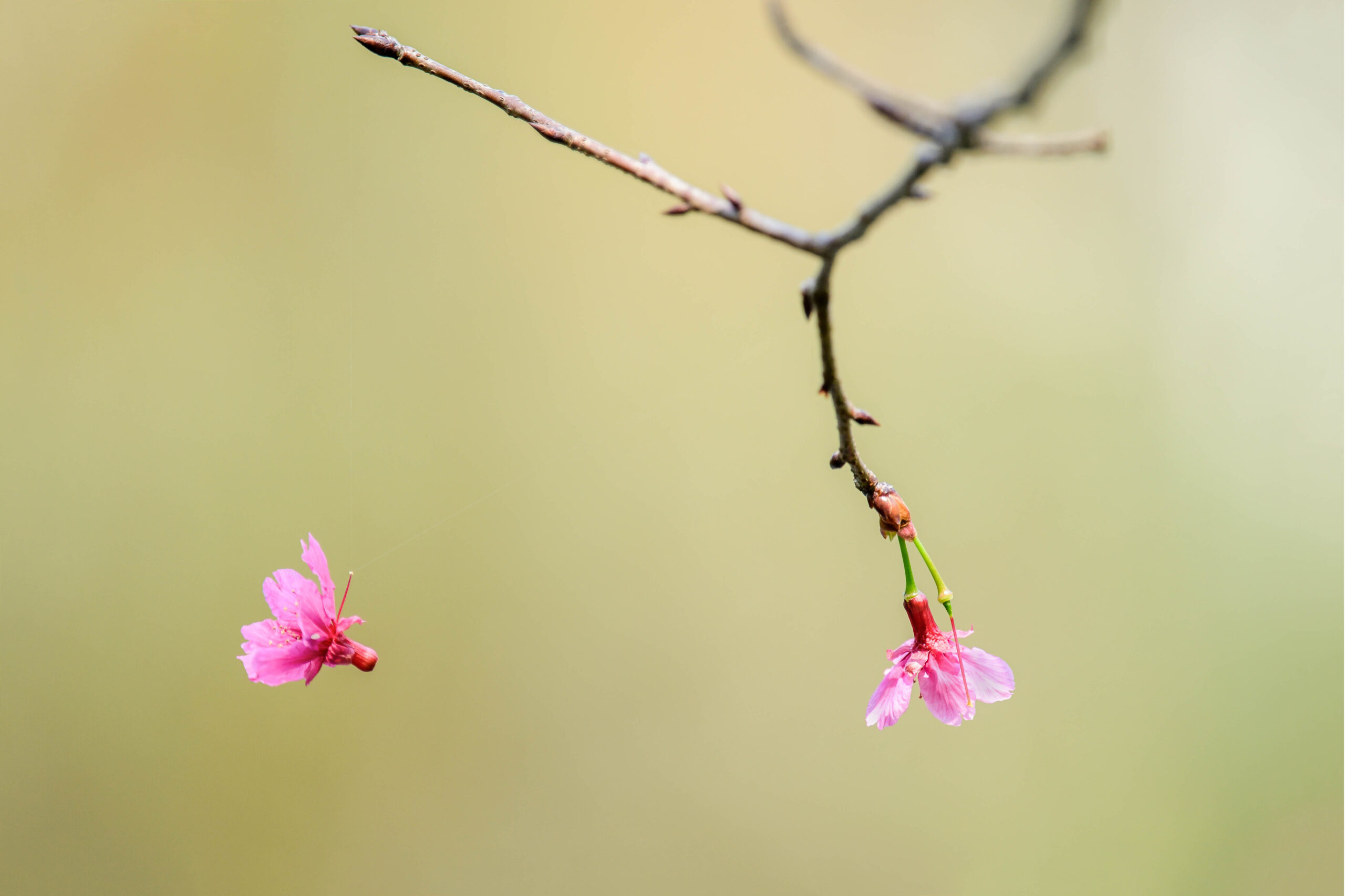
Fallen cherry blossoms suggest the beauty of impermanence, a key idea behind wabi-sabi.
Wabi-sabi is also deeply connected with how nature is viewed. Nature is always changing. Flowers bloom and fall, leaves turn color and drop, trees grow and wither, and moss grows over stone. Wabi-sabi is the sensibility of finding beauty in these changes.
Cherry blossoms in full bloom have a splendid beauty, but petals beginning to fall have another kind of beauty. Autumn leaves are vivid, but branches after the leaves have fallen also have a quiet expression. A winter garden has a sense of empty space and stillness different from a garden full of flowers.
In the view of nature connected with wabi-sabi, beauty is found not in something that remains unchanged forever, but in things that are in transition. Nature is not fixed in a perfectly ordered state. It is constantly changing. Accepting that change and finding depth within it leads to the sensibility of wabi-sabi.
Japanese gardens combine stones, moss, water, sand, trees, fallen leaves, and other elements. A garden is shaped by human hands, but it also incorporates natural change. Light shifts with the seasons, the color of moss changes, and fallen leaves add new expressions to the garden. The beauty of wabi-sabi appears where human care and natural change overlap.
Impermanence and Wabi-Sabi
Behind wabi-sabi lies the idea of impermanence, which has deeply influenced Japanese culture. Impermanence means that all things change and do not remain in the same state. Influenced by Buddhism, this sensibility has been expressed repeatedly in Japanese literature, performing arts, gardens, the tea ceremony, and visual art.
Human life, seasons, buildings, tools, flowers, and landscapes all change over time. Wabi-sabi does not receive that change only as sadness. It turns attention toward the beauty that appears precisely because things change.
Cherry blossoms feel beautiful not only because they bloom magnificently. Because we know they will soon fall, their brief beauty remains in the heart. An old vessel gains depth because time has given it its own expression.
Impermanence is sometimes treated as a dark idea. Yet within wabi-sabi, accepting change and endings leads to quiet beauty. It is a sensibility that finds meaning not in perfection preserved forever, but in things that move and change.
Wabi-Sabi and Empty Space
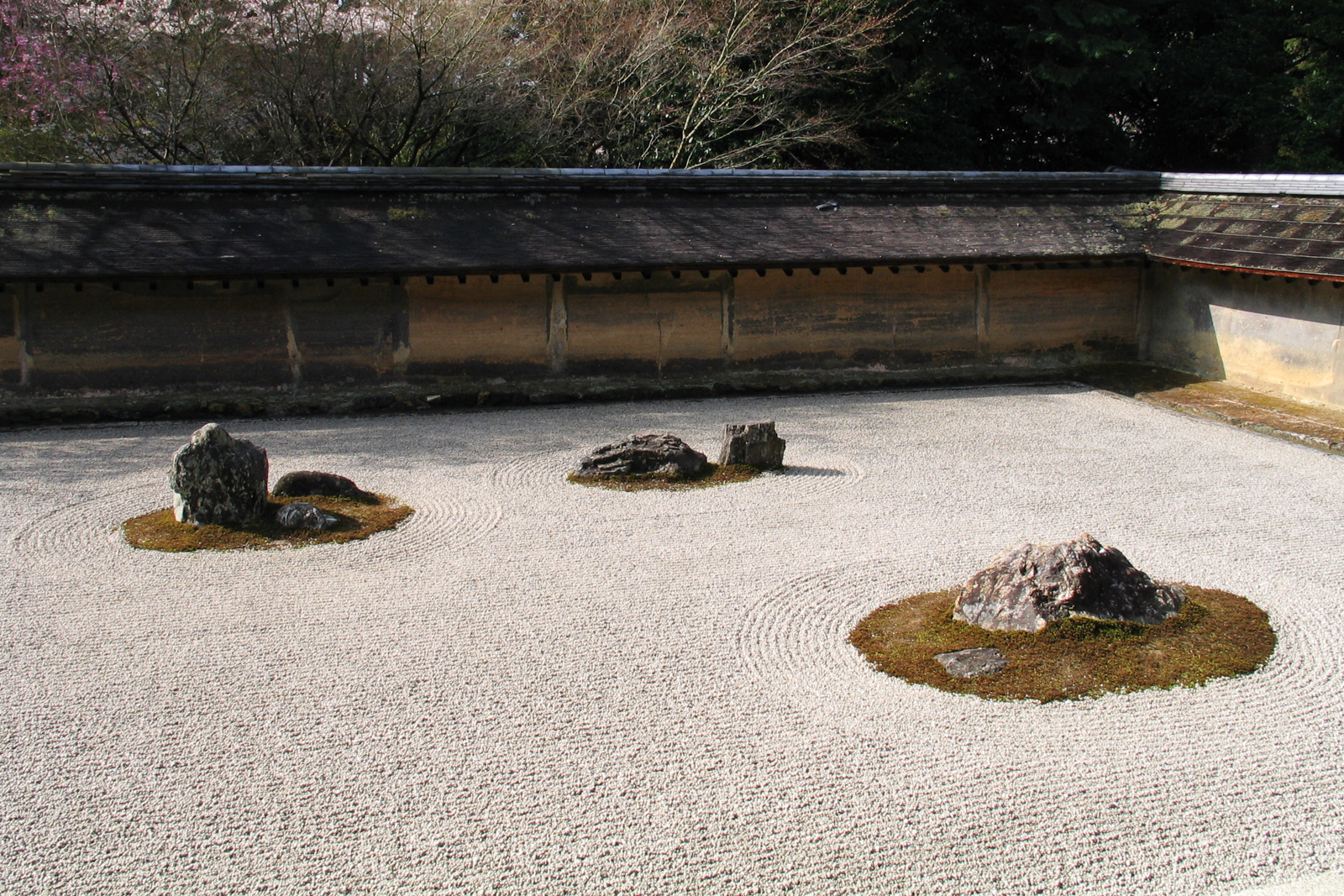
The dry garden at Ryōan-ji leaves space for silence, imagination, and the viewer’s own response.
Wabi-sabi also contains a sense of empty space. In Japanese aesthetics, this kind of space is connected with the idea of ma. Ma is not simply an empty area. It includes the resonance and relationship that arise between things, between people, between sound and silence, and between one moment and the next.
When a space is completely filled with decoration, there is little room for the viewer’s imagination to enter. By contrast, when only what is necessary is placed and the rest is left open, quietness and depth are created.
When a single flower is placed in the alcove of a tea room, its shape and color can be felt more deeply. When a few stones are placed in a garden with space around them made of sand or moss, the viewer may imagine mountains or the flow of water. Empty space in calligraphy also becomes a quiet field that supports the power of the characters.
This empty space is not completed by the creator alone. Rather than explaining everything, the tea master, craftsperson, or gardener leaves space for the viewer or guest to receive the work through their own memory and sensibility.
In other words, empty space in wabi-sabi is not simply an unfinished area. It is a space that moves toward completion through the imagination of the person who sees it. By not saying too much and not decorating too much, it allows the receiver to take part.
The empty space of wabi-sabi is not a mere lack. It is a space where the receiver can feel, imagine, and place the heart. That is where its quiet and deep beauty lies.
Wabi-Sabi in Everyday Tools
Wabi-sabi is not found only in special places such as temples and gardens. The same sensibility also appears in everyday tools.
A wooden tray used for many years, a tea bowl that fits naturally in the hand, a furoshiki cloth whose texture has deepened, or furniture that has been repaired and used for a long time all have a character that new objects do not. The user’s hands, the passage of time, and repeated care overlap to create a unique expression.
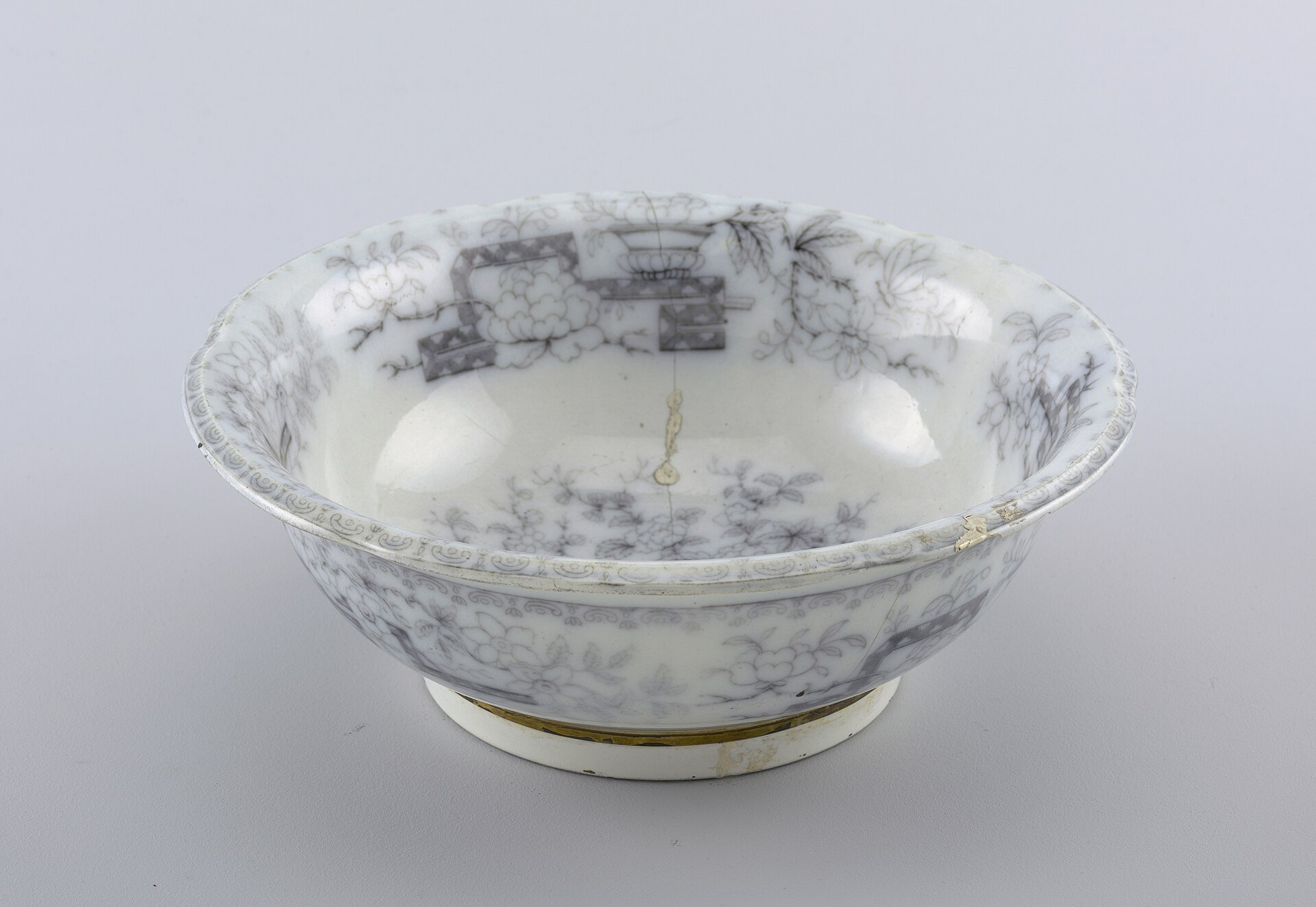
Kintsugi repairs a broken vessel while preserving the marks of damage as part of its history.
Kintsugi is also often discussed in connection with wabi-sabi. It is a technique in which a broken vessel is repaired with lacquer and the repaired lines are shown with gold powder or similar materials. Instead of completely hiding the cracks, it shows the marks of repair as part of the vessel’s history, expressing an acceptance of time and change.
At the same time, wabi-sabi cannot be fully explained by kintsugi alone. Wabi-sabi is not the repair technique itself, but an aesthetic sensibility toward how we receive change and imperfection in things. It appears in the attitude of using tools with care, maintaining them, and allowing time to accumulate.
Wabi-Sabi and Simplicity
Simplicity in wabi-sabi does not mean merely having few things. What matters is choosing what is necessary and holding back the unnecessary so that the presence of each thing can be felt more deeply.
A tea room does not contain many tools. Gardens may use only limited elements such as stone, water, trees, moss, and sand. Some vessels avoid showy decoration and instead make use of the color of clay or the expression of glaze.
Because of simplicity, each element becomes easier to notice. The way light enters, the texture of a vessel, the scent of wood, the quietness of a garden, the angle of a flower: when our awareness turns toward such small details, we begin to sense the beauty found in daily life.
The simplicity of wabi-sabi is not cold or empty. Rather, it creates the space to receive necessary things carefully. Its beauty is not flashy decoration, but quiet deepening.
How Wabi-Sabi Is Received Overseas
In recent years, wabi-sabi has attracted attention overseas. The term is used in fields such as interior design, lifestyle, photography, and architecture. Natural materials, old furniture, handmade vessels, and spaces with room to breathe are sometimes introduced as images of wabi-sabi.
This spread shows that the aesthetic sensibility of Japanese culture is drawing interest abroad. At the same time, if wabi-sabi is treated merely as an interior trend or a design made to look old, its deeper meaning becomes thin.
Wabi-sabi is not created by appearance alone. It comes closer to its true meaning when there is an attitude of accepting the passage of time, treating things with care, not seeking excessive perfection, and sensing quiet depth.
For readers overseas, the key to understanding wabi-sabi may be to step slightly away from the idea of “perfect beauty.” By learning about a beauty different from newness, uniformity, and luxury, the way Japanese culture appears may also change.
Wabi-Sabi in Modern Daily Life
Wabi-sabi is not a sensibility found only in old tea rooms or temples. It can also be found in modern daily life.
Choosing tools that can be used for a long time, continuing to care for objects even after they are scratched, placing a single seasonal flower in a room, leaving empty space rather than filling a room with decoration, and enjoying the changes of natural materials all contain something connected with wabi-sabi.
Modern society often seeks newness, convenience, and efficiency. Within that flow, wabi-sabi can be received as a way of pausing and paying attention to the changes in things and the depth created by time.
Instead of hiding every scratch or sign of age, we can feel the time that has accumulated there. Instead of increasing unnecessary possessions, we can care for the things close to us. In this way, wabi-sabi offers quiet suggestions for modern life.
Perspectives for Understanding Wabi-Sabi
There are several perspectives that help us understand wabi-sabi. One is accepting the changes brought by time. Fading color, wear, aging, moss, scratches, and traces of handwork all reveal the time an object has passed through.
Another is tasting imperfection. A slightly irregular vessel, an asymmetrical garden, or a naturally curved branch has an expression different from uniform beauty.
It is also helpful to sense simplicity and empty space. Rather than decorating with many things, we find depth within limited elements. Instead of explaining everything in words, the work entrusts something to the feeling of the viewer or user. Such empty space supports the beauty of wabi-sabi.
Wabi-sabi cannot be fully understood by memorizing a definition. Holding a tea bowl, sitting in a garden, looking at the expression of old wood, or sensing the end of a season: through such experiences, this aesthetic gradually begins to communicate itself.
Conclusion
Wabi-sabi is a Japanese aesthetic sensibility that finds beauty in imperfection, simplicity, the marks of time, and stillness. Wabi is connected with finding deep richness within simplicity, without relying on outward luxury. Sabi is connected with the aged character, quietness, and calm that appear through the passage of time.
Wabi-sabi appears in many areas of Japanese culture, including the tea ceremony, gardens, ceramics, architecture, literature, the sense of seasons, and everyday tools. It is the feeling of being drawn not only to things that are perfectly arranged, but also to those with slight irregularities and empty space. It is the attitude of not chasing only newness, but also appreciating the expression given by time.
To understand wabi-sabi is to understand a quiet depth within Japanese culture. When we step slightly away from splendor and easily understood luxury, and turn our attention to simple things, aged things, and changing things, Japanese aesthetics begins to appear more deeply.
Image credits:
- Contemporary wabi-sabi tea bowl.jpg / ottmarliebert.com / Wikimedia Commons / CC BY-SA 2.0
- Stone Lantern at Rikugien Garden.jpg / Ethan Doyle White / Wikimedia Commons / CC BY-SA 4.0
- RyoanJi-Dry garden.jpg / Stephane D’Alu / Wikimedia Commons / CC BY-SA 3.0 / GFDL
- Bowl, 19th century (CH 18345219).jpg / Unknown artist / Cooper Hewitt, Smithsonian Design Museum / Wikimedia Commons / Public Domain Mark 1.0
- Sakura cherry LCCN2009630236.jpg / Japanese fine prints, pre-1915 / Library of Congress / Wikimedia Commons / Public Domain Mark 1.0