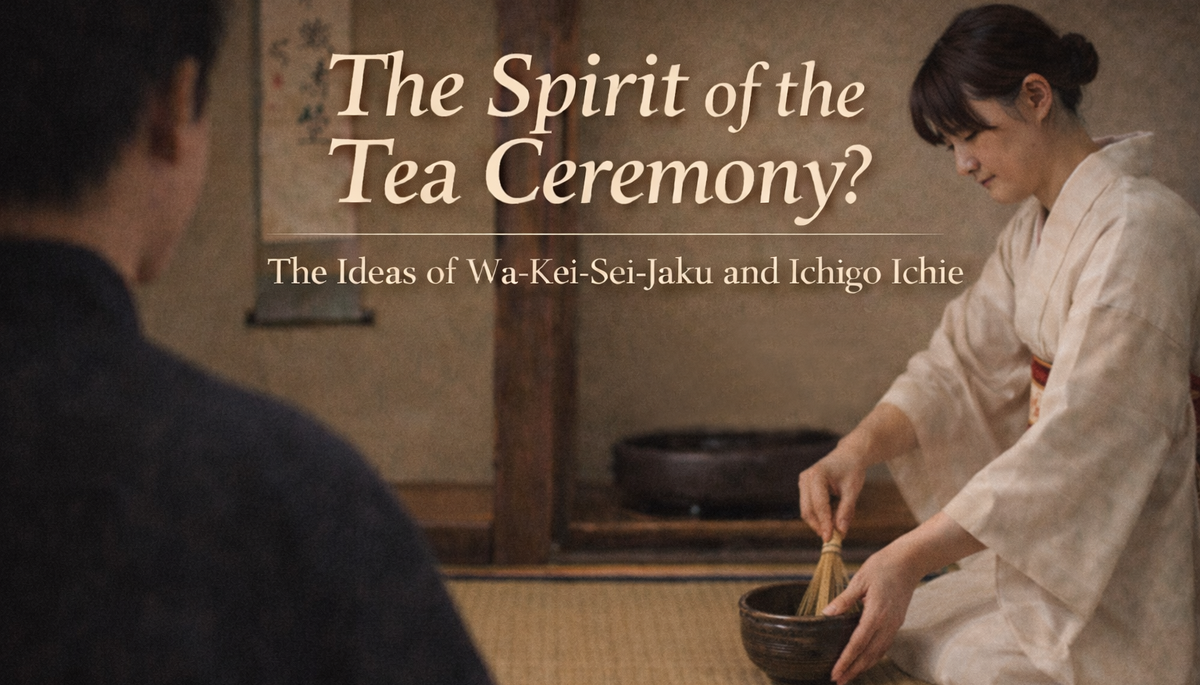
The Japanese tea ceremony is widely known as a traditional cultural practice centered on drinking matcha, but its appeal lies in more than its visual beauty or the elegance of its movements. Behind the quiet setting, the simple arrangement of the room, the carefully chosen utensils, and the thoughtfulness shown to others is a way of thinking that has long been valued in Japan.
Some people encountering the tea ceremony for the first time may wonder why the movements are so quiet, or why such importance is placed on the utensils and the atmosphere of the room. These questions become easier to understand when you look at the ideas behind the tea ceremony. This article explores wa-kei-sei-jaku and ichigo ichie, two concepts closely associated with tea, and explains what this tradition values at its core.
A Helpful Way to Think About the Tea Ceremony
Form Reflects a Way of Thinking
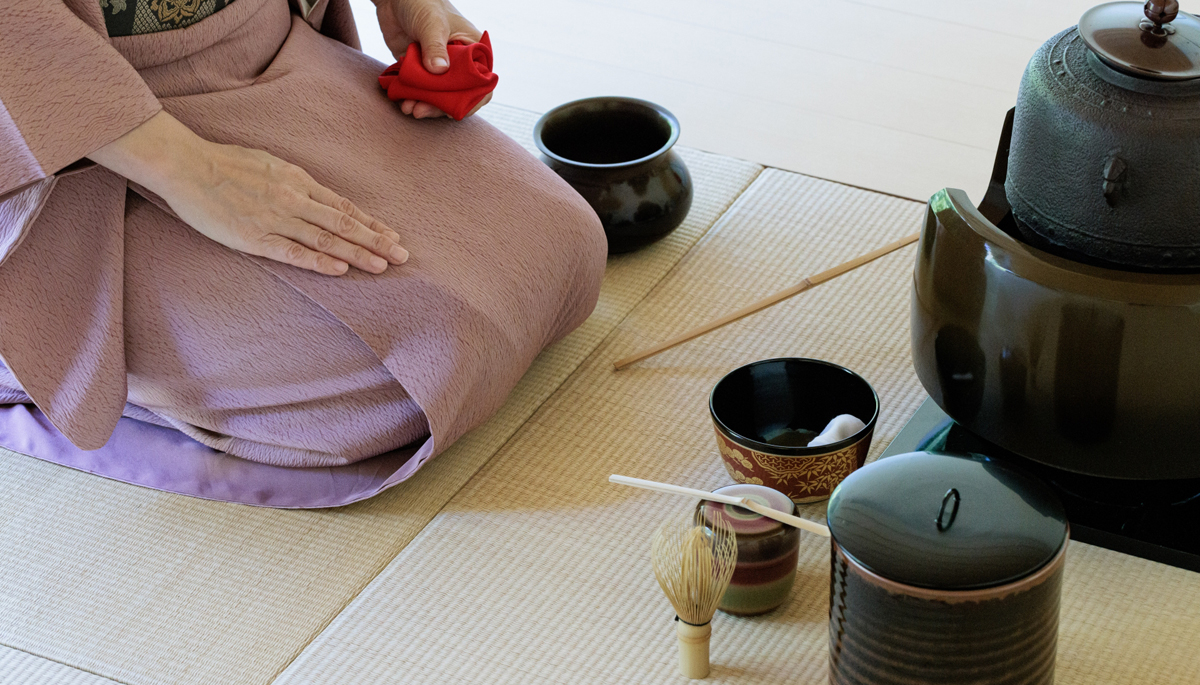
The tea ceremony is sometimes seen as a practice that places strong emphasis on form. It is true that there are established ways of handling a tea bowl, placing utensils, and bowing. However, these forms are not simply there to make things look beautiful. In the tea ceremony, visible actions express respect for others and a sincere attitude toward the setting.
For that reason, the movements of the tea ceremony have been passed down not merely as a sequence of actions, but as expressions of an inner attitude. Handling utensils with care, moving calmly, and bowing quietly toward another person can all be understood as outward expressions of one’s state of mind. This is an important point to keep in mind when thinking about the tea ceremony more deeply.
Attitude Matters as Much as Technique
The tea ceremony also has a technical side. Preparing matcha and handling utensils involve knowledge and skill. However, what is truly valued in tea is not technical ability alone. Equal importance is placed on how one faces the other person, how one prepares the setting, and how one shares the time.
Because of this, the tea ceremony is not only a performing art or a system of etiquette. It is also a cultural practice that reflects how people relate to one another and how they value time. Within the short time it takes to receive a single bowl of matcha, there is consideration for others, awareness of the season, and care in preparing the setting. This is one of the defining features of tea.
Stillness and Simplicity Also Have Meaning
In the tea ceremony, stillness and simplicity are often valued more than liveliness or grandeur. This does not simply mean that restraint is preferred for its own sake. Rather, by reducing what is unnecessary, what is present becomes easier to notice and appreciate.
When there are only a few objects in the room, the texture of the tea bowl, the shape of a flower, and the words on a hanging scroll naturally stand out. In a quiet space, even the sound of whisking matcha or the presence of hot water becomes easier to notice. The values of tea can also be seen in this careful attention to what is right in front of you.
What Is Wa-Kei-Sei-Jaku?
What Is Wa?
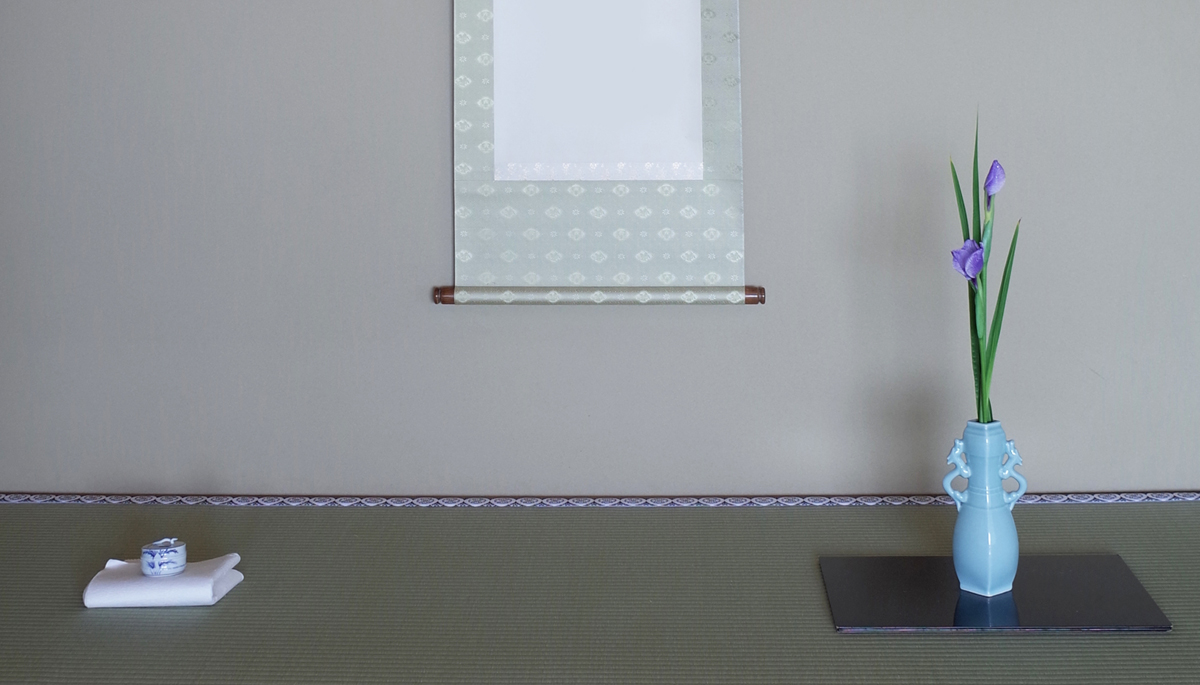
One of the phrases most often used to explain the tea ceremony is wa-kei-sei-jaku. The first element, wa, refers to harmony. Here, harmony does not mean only harmony between people. It also includes harmony among utensils, space, the season, and the people gathered there.
For example, different utensils and room arrangements may be used in hot weather and cold weather. The flowers chosen also change with the season. These choices are made not only to help the guest feel the season, but also to create a natural sense of balance in the setting as a whole. In tea, wa can be understood as a state in which all the elements involved exist together gently and without conflict.
What Is Kei?
Kei means respect. In the tea ceremony, treating the guest with care is highly valued, but this is not expected only of the host. The guest is also expected to show respect toward the person offering hospitality, toward the utensils, and toward the setting itself.
This attitude appears in such things as the way a tea bowl is received or the manner in which the utensils are viewed. In tea, objects are not treated merely as disposable tools. They are understood as essential parts of the occasion. One of the distinctive features of tea is that it values respect not only for people, but also for objects and space.
What Is Sei?
Sei refers to purity. In the tea ceremony, keeping the utensils and the room properly arranged is important, but this does not mean that outward cleanliness alone is the goal. There is also the sense that by keeping the space and the utensils pure, one’s own mind is also brought into order.
For example, the act of carefully purifying the utensils carries not only the practical meaning of cleaning them, but also the meaning of preparing the setting for the time that is about to begin. In tea, outward order and inward attitude are not separate things. There is an underlying way of thinking in which putting visible things in order also helps bring one’s mind into order.
What Is Jaku?
Jaku refers to quiet calmness. Here, stillness does not simply mean remaining silent. It refers to a state in which one is free from noise and unnecessary tension and can quietly direct attention to what is in front of them.
When you enter a tea room, you may feel that time moves a little differently from everyday life. Voices naturally become softer, and movements slow down. In that still atmosphere, the sound of the water, the color of the matcha, and the texture of the utensils are more likely to leave an impression. The jaku valued in tea is not emptiness, but a state in which richness can be noticed within stillness.
The Idea of Ichigo Ichie
Receiving Each Encounter as Unique
Another phrase often used in connection with the tea ceremony is ichigo ichie. It is often explained as meaning “a once-in-a-lifetime meeting,” but within tea it is understood more broadly as the idea of cherishing each encounter as something irreplaceable.
Even if the same people meet again in the same tea room, the weather, the season, their physical condition, their mood, and the combination of utensils will never be exactly the same. For that reason, each occasion is treated with care. Ichigo ichie is not only a phrase used for special partings. It is also a way of valuing each meeting as it happens.
Why This Idea Deepens in the Tea Ceremony
In the tea ceremony, the host prepares the utensils and the setting in advance for that particular day. The guest also settles the mind and turns attention toward the time being shared. There is an awareness that this is a moment that can exist only here and now.
Because of this way of thinking, even a seemingly ordinary bowl of tea takes on deeper meaning. It is not simply something to drink and finish. The entire time surrounding it is treated as meaningful. For travelers as well, especially those who wish to value encounters and limited time in a meaningful way, this idea may feel relatively easy to understand.
Why Stillness and Simplicity Matter in the Tea Ceremony
Carefully Arranging What Is Necessary Rather Than Seeking Grandeur
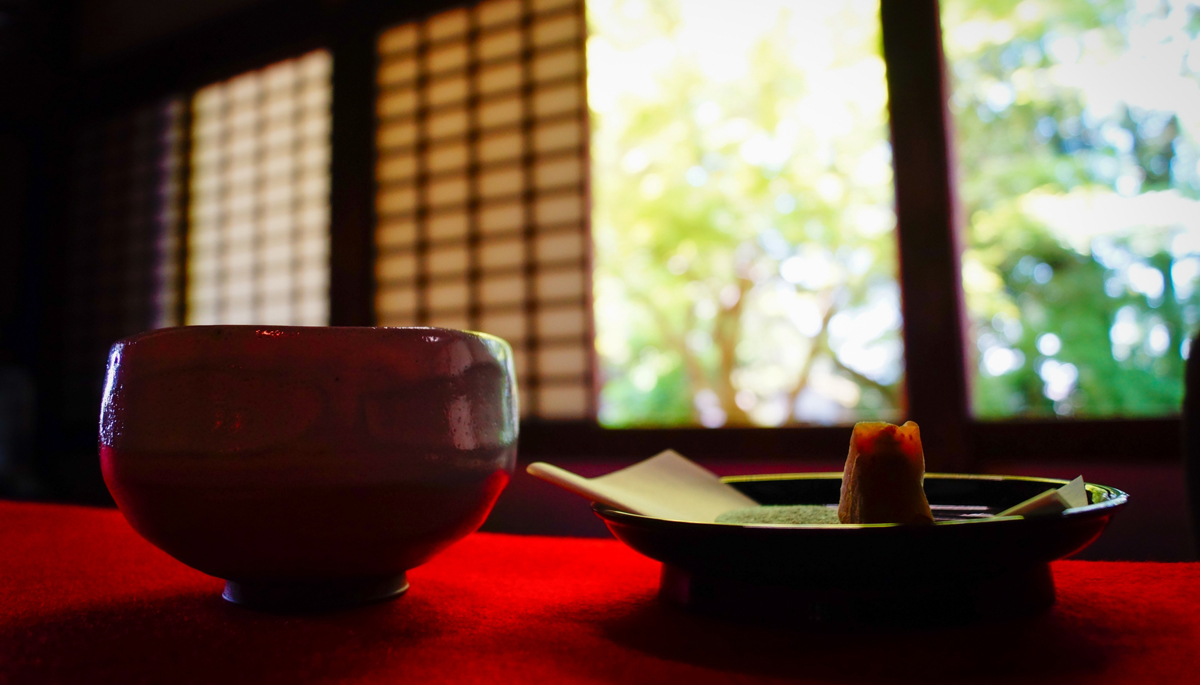
Some people encountering the tea ceremony for the first time may wonder why the room is so simple. In tea, what matters is not overwhelming the guest with elaborate decoration, but carefully arranging what is necessary. Because there are so few things present, each one stands out more clearly.
The tea bowl, the whisk, the hanging scroll, the flowers, and the kettle are not many in number. Precisely because of that, the meaning and beauty of each one become easier to see. Simplicity here is not a lack of richness. It is a way of helping people appreciate what is in front of them more fully.
Stillness Creates Concentration
A quiet sense of time flows through the tea ceremony. This does not mean that there is never any conversation, but it is not a setting centered on lively exchange. This stillness helps direct the awareness of those present toward what is happening in front of them.
When there is little noise, the sound of the water heating, the movement of the whisk, and the sound of utensils touching each other become easier to hear. When movements are slow, the meaning of handling utensils and bowing becomes easier to notice. The stillness of the tea ceremony is not there to impose restraint, but to create an environment in which the present moment can be appreciated more fully.
It Is Also Connected to Japanese Aesthetics
The simplicity and stillness of the tea ceremony are deeply connected to Japanese aesthetics more broadly. The tendency to leave space, avoid excess, and find beauty in restraint can also be seen in gardens, architecture, and the presentation of Japanese food.
The tea ceremony is one of the clearest places where this Japanese sensibility appears. That is why it can also help visitors notice ways of thinking that run through Japanese culture as a whole.
Where the Spirit of the Tea Ceremony Appears
In the Choice of Utensils
The spirit of the tea ceremony is not conveyed only through words. It also appears in concrete choices and actions. Tea bowls, flower containers, and hanging scrolls, for example, are selected according to the season and the guest. It is not simply a matter of using anything available. There is thoughtfulness in choosing what is appropriate for that particular occasion.
When the guest notices these choices, it becomes easier to see that the tea ceremony is not sustained by outward form alone.
In Seasonal Arrangements
Seasonality is highly valued in the tea ceremony. Not only do the utensils differ between summer and winter, but the flowers, the hanging scroll, and even the design of the sweets may reflect the season. This is because the tea ceremony is deeply shaped by a sensitivity to nature and seasonal change in Japan.
By observing the arrangement of the day, the guest is able to appreciate the season more fully. These accumulated details are another way in which the spirit of tea takes visible form.
In Each Individual Movement
The movements of the tea ceremony flow with quiet calm and little waste. Placing a tea bowl down, handling the fukusa, or bowing are not done merely because the order has been prescribed. They are forms shaped by the desire not to be discourteous and not to disturb the setting.
For that reason, the movements may appear quiet and restrained from the outside, but they carry clear meaning within. The spirit of tea appears again and again in these small gestures.
In the Way the Guest Receives the Occasion
The spirit of the tea ceremony does not belong only to the host. It also appears in the way the guest receives what is offered. The attitude with which the guest looks at the utensils, receives the matcha, and respects the stillness of the setting is also part of the tea ceremony.
The guest is not merely someone sitting passively and receiving service. The guest also helps create the occasion. That is why etiquette is expected of the guest as well, not for the sake of strictness, but for the sake of sharing the setting together.
How Understanding the Spirit Changes the Experience
It Becomes More Than Simply Drinking Matcha
Even without knowing the spirit behind the tea ceremony, it is still possible to enjoy the taste of matcha and the atmosphere of the setting. However, when you know the ideas of wa-kei-sei-jaku and ichigo ichie, the experience begins to look different. You become more likely to sense meaning not only in drinking the tea, but also in the preparation and in the atmosphere surrounding it.
In that way, the tea ceremony becomes more than a cultural activity. It becomes an experience of how time itself is shared and appreciated.
The Meaning in Small Details Becomes Easier to See
The choice of utensils, the arrangement of flowers, the words on the hanging scroll, and the stillness of the movements are all things that can easily be overlooked at first. Once you know the background behind them, however, they are more likely to stay with you. You naturally begin to ask why this room is so quiet, or why this particular tea bowl has been chosen.
As a result, it is not so much that you see more things, but that you appreciate each thing more deeply. That, I think, is where the value of understanding the tea ceremony lies.
It Also Deepens Understanding of Japanese Culture
The spirit of the tea ceremony contains ways of thinking that connect to Japanese culture more broadly. Valuing the seasons, showing consideration for others, and finding beauty in stillness and empty space are ideas that extend into many other cultural forms.
For that reason, understanding the spirit of tea does not stop with understanding tea alone. It also shapes the way you see gardens, architecture, Japanese food, and hospitality. For travelers visiting Japan, the tea ceremony can therefore serve as a meaningful gateway to a deeper understanding of Japanese culture.
Conclusion
The spirit of the tea ceremony is not some distant and difficult philosophy. It appears quietly in tea as an attitude of thinking of others, preparing the setting with care, and valuing a moment that will never come in exactly the same way again. The phrases wa-kei-sei-jaku and ichigo ichie may seem abstract at first, but in reality they are expressed concretely through the choice of utensils, the movements, and the arrangement of the space.
When encountering the tea ceremony, there is a great difference between looking only at the etiquette and looking with some understanding of the ideas behind it. Once you begin to notice the quiet consideration and the value of time that lie beyond a single bowl of matcha, the tea ceremony becomes an even more memorable gateway to a deeper understanding of Japanese culture.