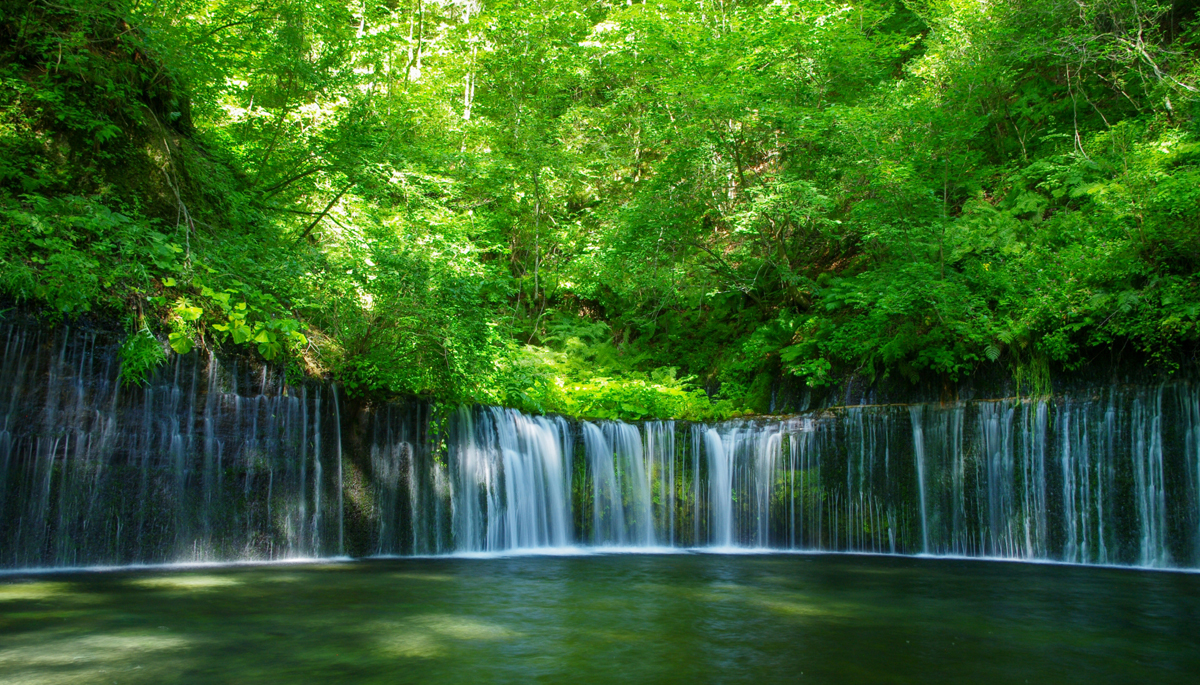
The Kanto and Koshinetsu regions are located in the central part of Japan.
Here, visitors can experience diverse natural environments such as the sea, mountains, lakes, and valleys.
Because these areas are easily accessible from major cities, they are popular for weekend trips as well as serious mountain climbing.
Below are representative natural spots introduced by prefecture.
- Ibaraki Prefecture – Waterfalls, Lakes, and Flower Parks
- Tochigi Prefecture – Lakes and Waterfalls of Nikko
- Gunma Prefecture – Mountains and Wetlands
- Saitama Prefecture – The Rock Terraces of Nagatoro
- Chiba Prefecture – Valleys and Mountains of the Boso Peninsula
- Tokyo – Nature Close to the City
- Kanagawa Prefecture – Lakes and Coastal Scenery
- Yamanashi Prefecture – Views Around Mount Fuji
- Nagano Prefecture – The Japanese Alps and Highland Nature
- Conclusion
Ibaraki Prefecture – Waterfalls, Lakes, and Flower Parks
Fukuroda Falls
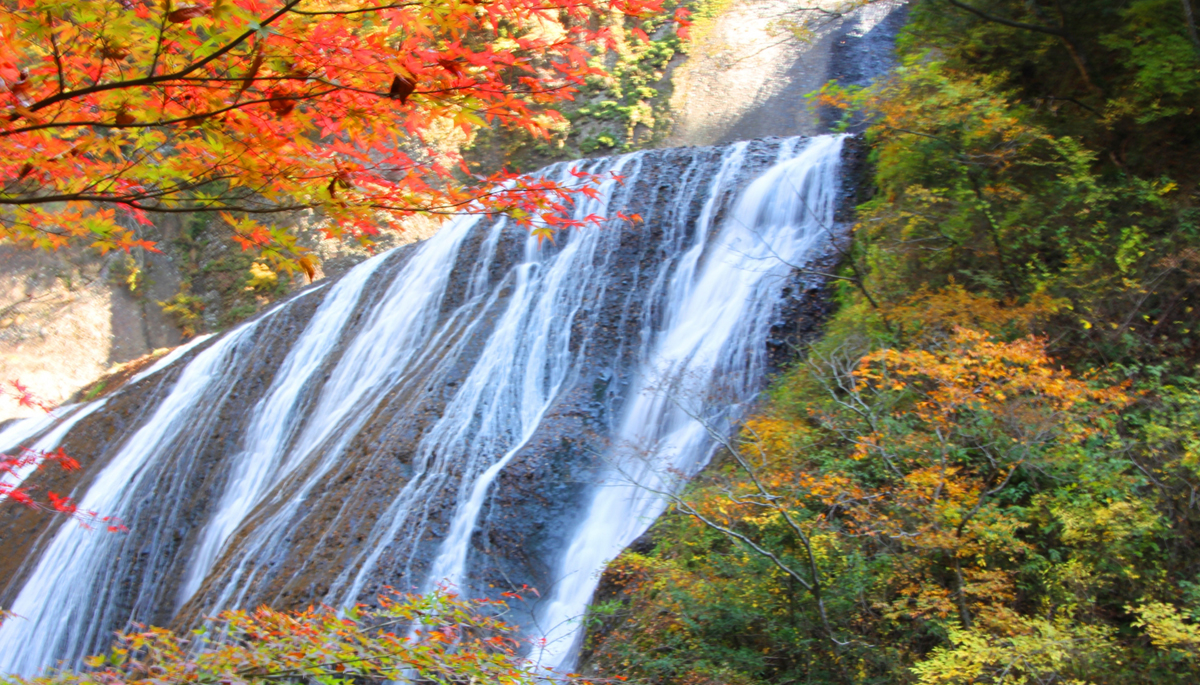
Fukuroda Falls is a large waterfall measuring 120 meters high and 73 meters wide.
It is sometimes called the “Four-Season Falls” because its appearance changes throughout the year.
In winter, the waterfall can freeze, creating a beautiful curtain of ice.
Lake Kasumigaura
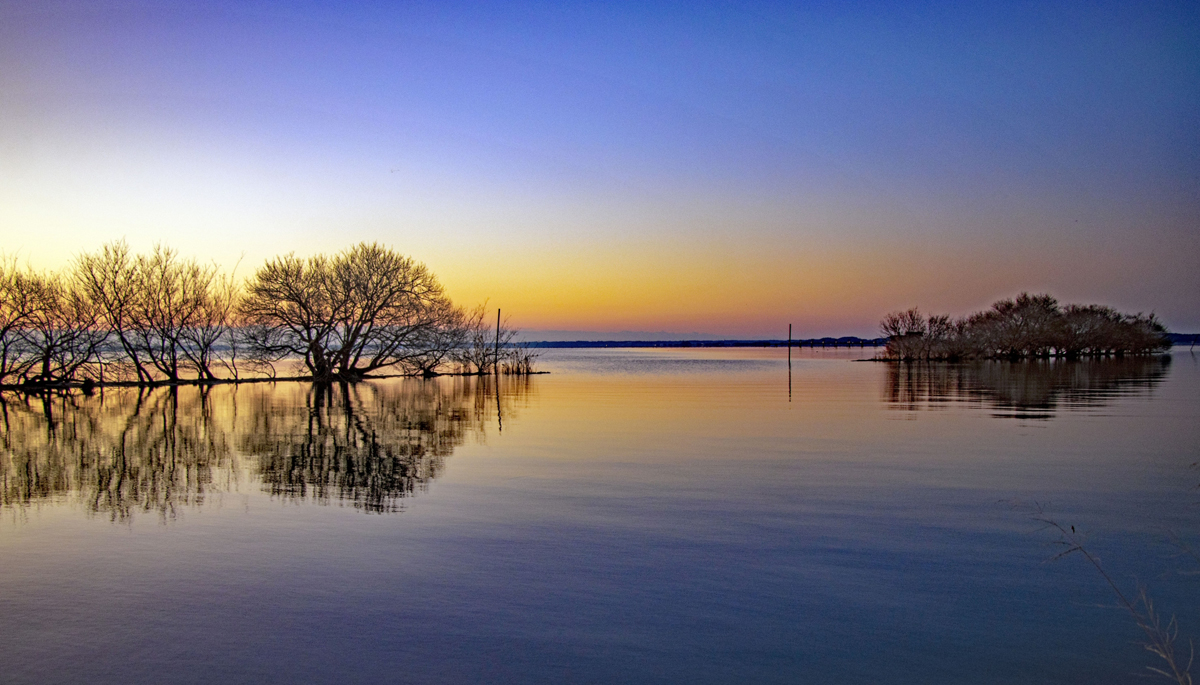
Lake Kasumigaura is the second-largest lake in Japan.
Visitors can enjoy peaceful rural scenery around the lake.
There are cycling roads and many outdoor activities available.
Hitachi Seaside Park
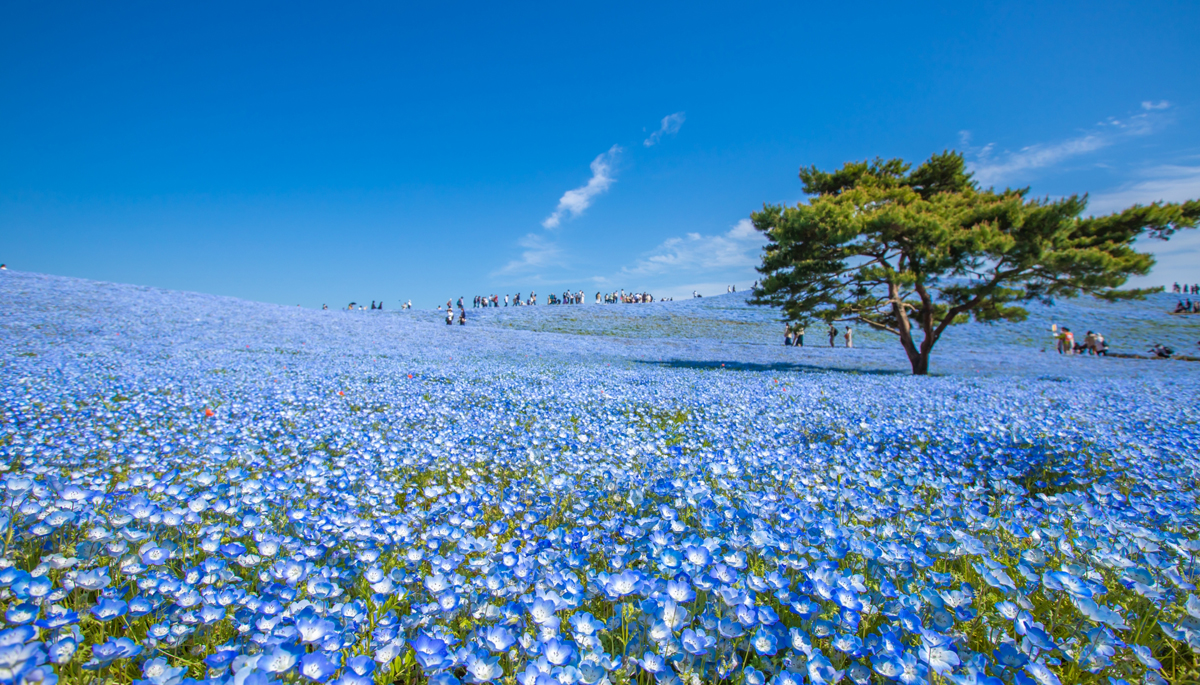
This national park is famous for seasonal flowers.
In spring, blue nemophila flowers cover the hills, and in autumn, red kochia plants create a stunning view.
These colorful landscapes attract visitors from around the world.
Tochigi Prefecture – Lakes and Waterfalls of Nikko
Lake Chuzenji
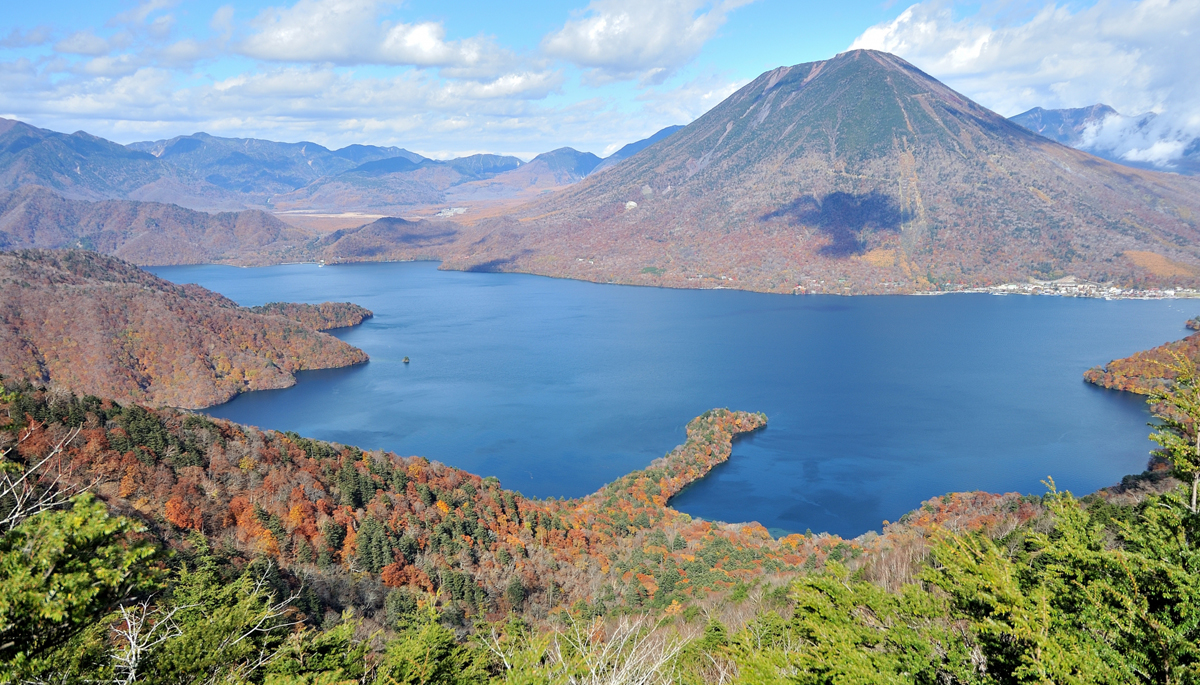
Lake Chuzenji was formed by the eruption of Mount Nantai.
The harmony between the lake and surrounding mountains creates a spectacular view, especially from sightseeing boats.
Senjogahara Marshland
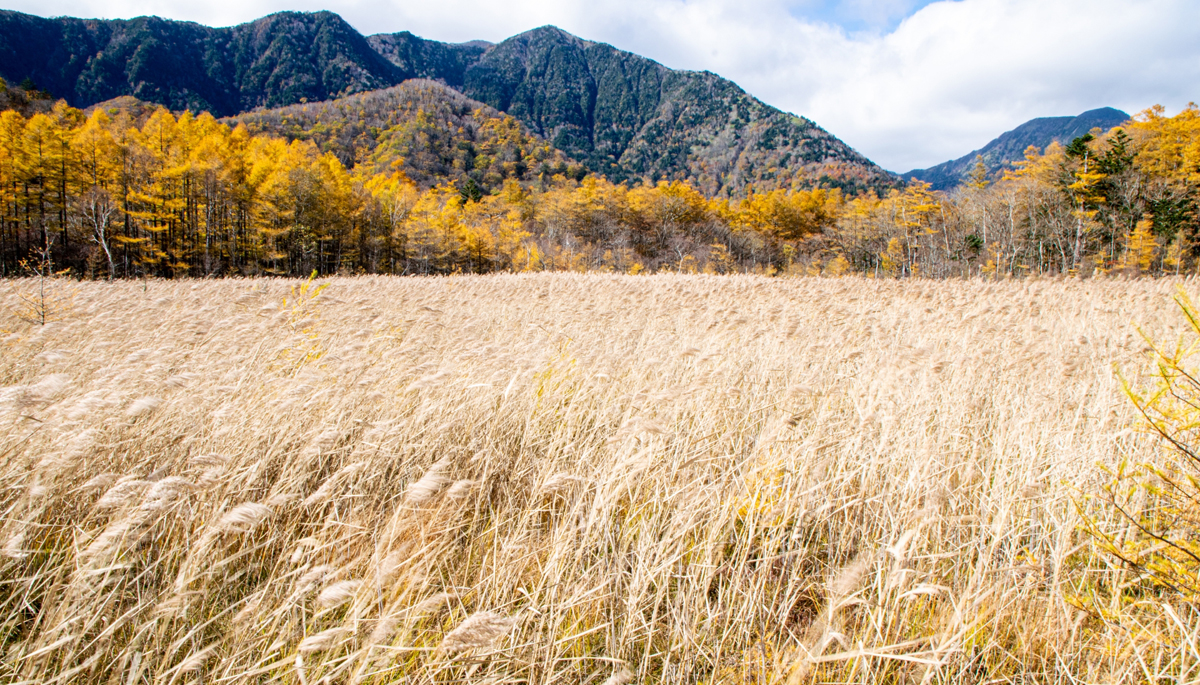
This highland wetland area has wooden walking paths.
It is ideal for observing seasonal plants and wild birds.
Kegon Falls
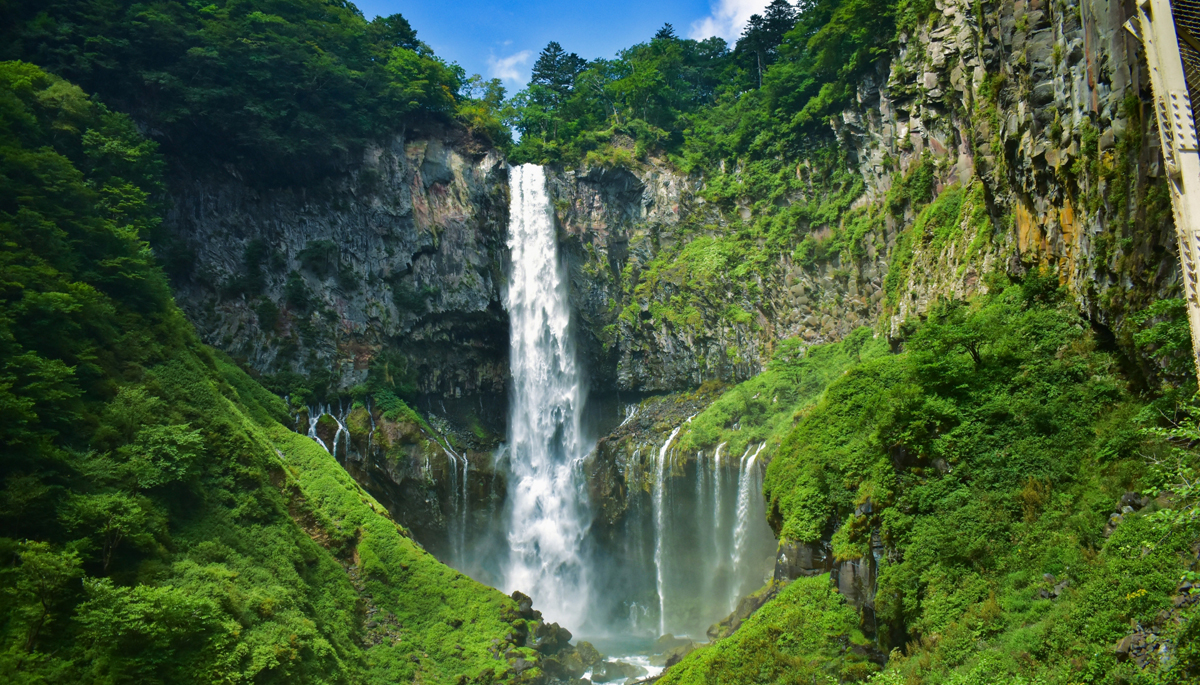
Kegon Falls drops 97 meters in a single powerful stream.
It is considered one of Japan’s three most famous waterfalls.
Gunma Prefecture – Mountains and Wetlands
Oze
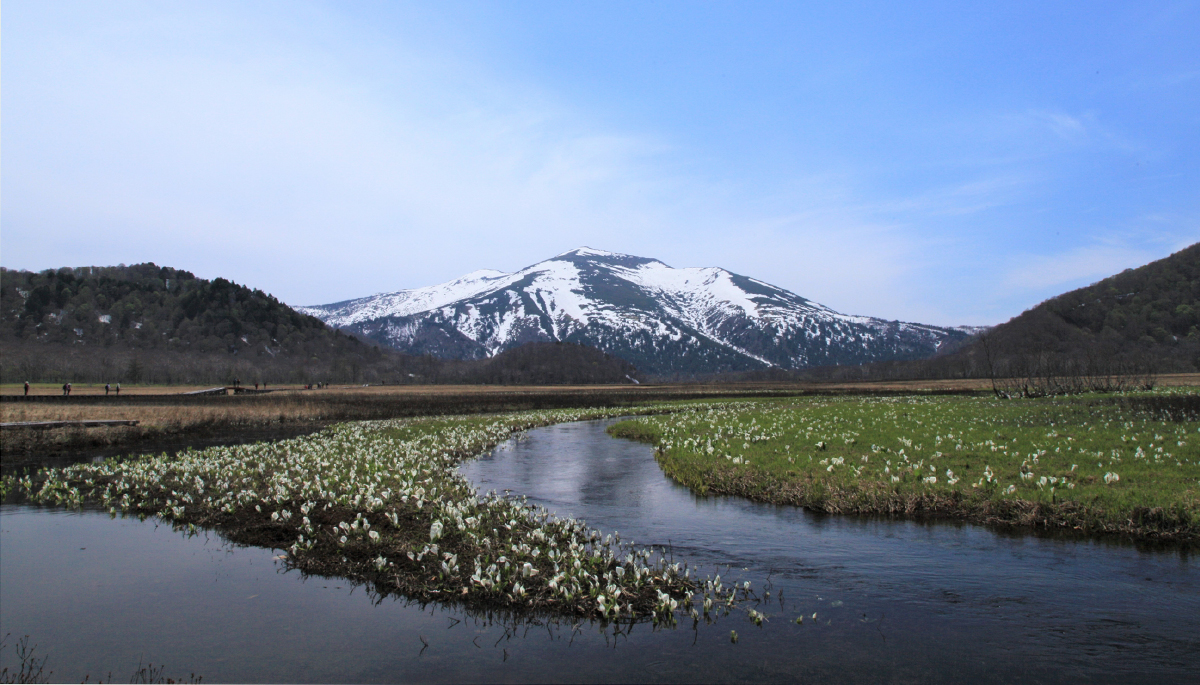
Oze is one of Japan’s largest highland marshlands.
In summer, yellow daylilies bloom across the fields.
Visitors can walk along wooden paths and fully enjoy the vast natural scenery.
Onioshidashi Park
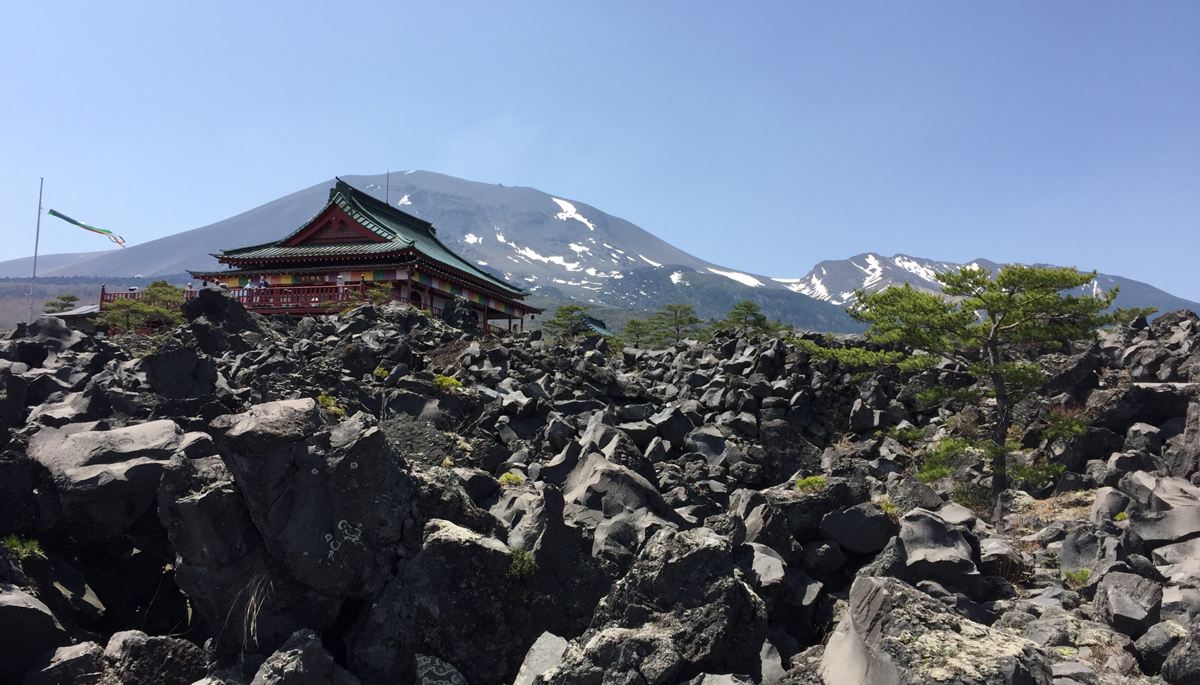
This park features a dramatic landscape formed by lava from the eruption of Mount Asama.
The rocky terrain and view of the volcano leave a strong impression.
Fukiware Falls
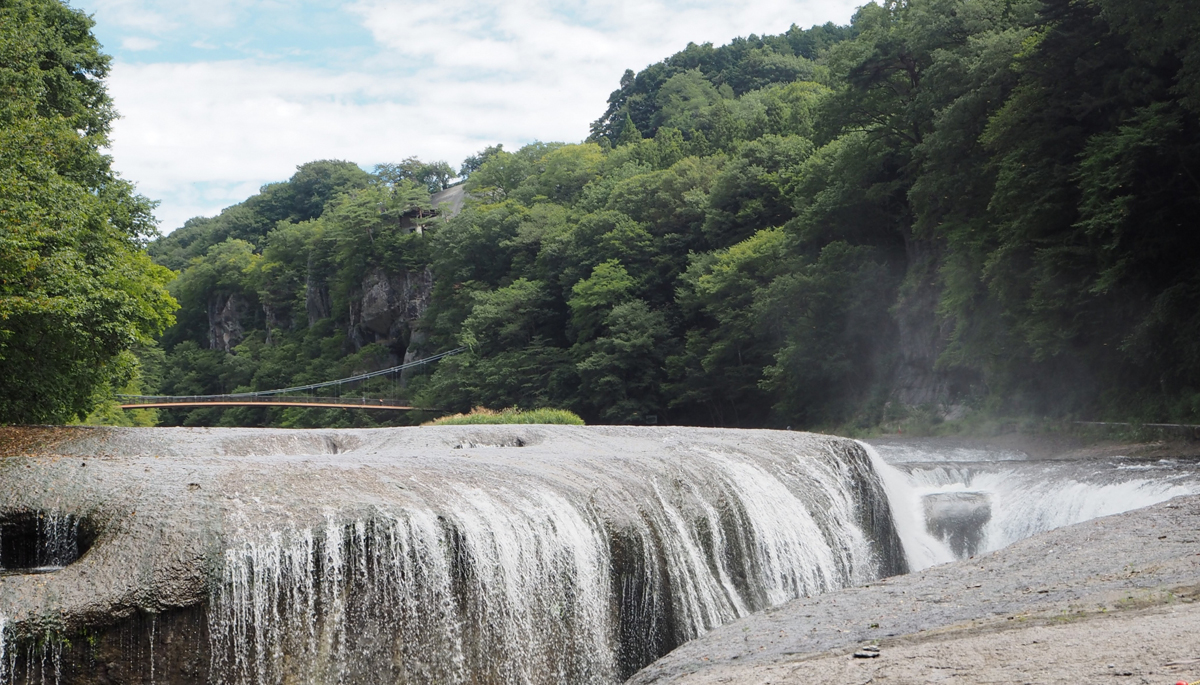
Often called the “Niagara of the East,” this waterfall flows powerfully over a wide rock surface.
The force of the water cutting through the rocks is very impressive.
Saitama Prefecture – The Rock Terraces of Nagatoro
Iwadatami (Nagatoro)
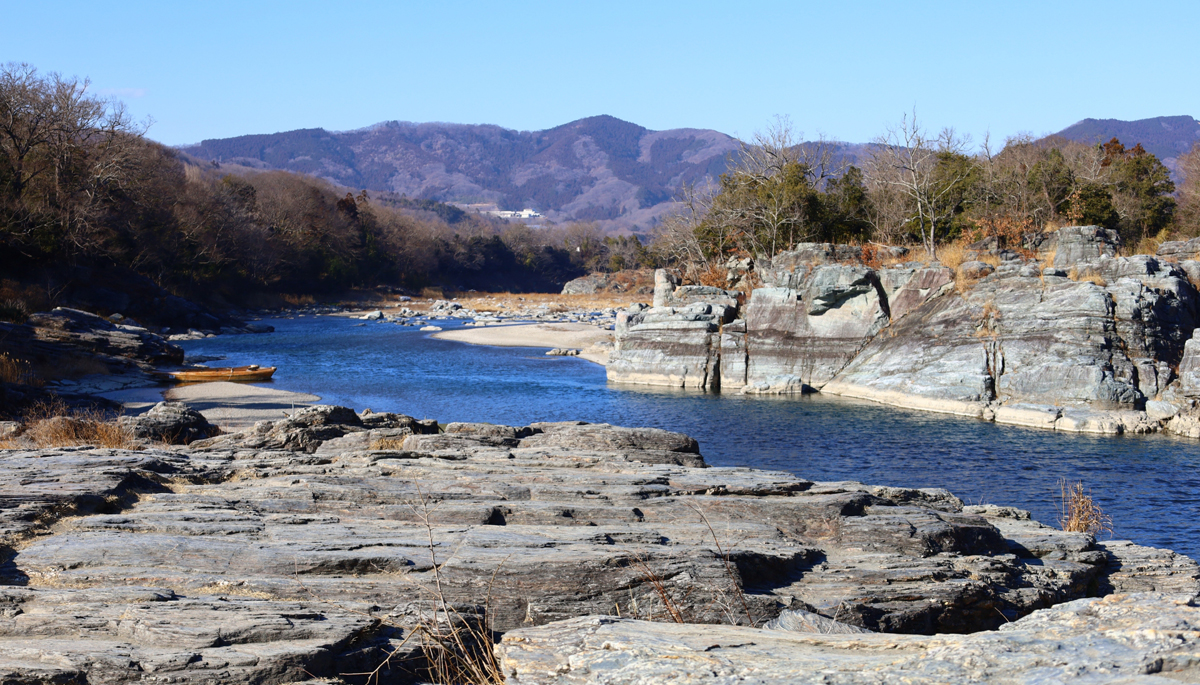
Along the Arakawa River, wide rock formations spread out like tatami mats.
Visitors can enjoy the beautiful valley scenery through boat rides or rafting.
Chiba Prefecture – Valleys and Mountains of the Boso Peninsula
Yoro Valley
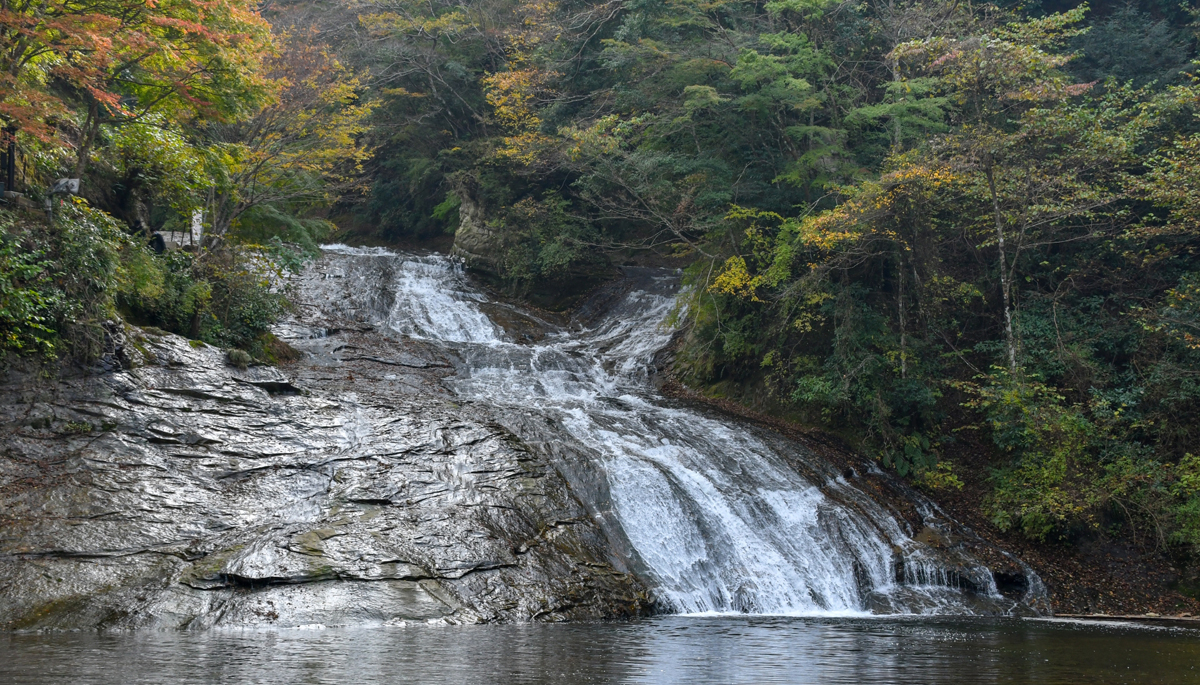
Yoro Valley is famous for its autumn leaves.
Visitors can enjoy peaceful walks along the river.
Mount Nokogiri
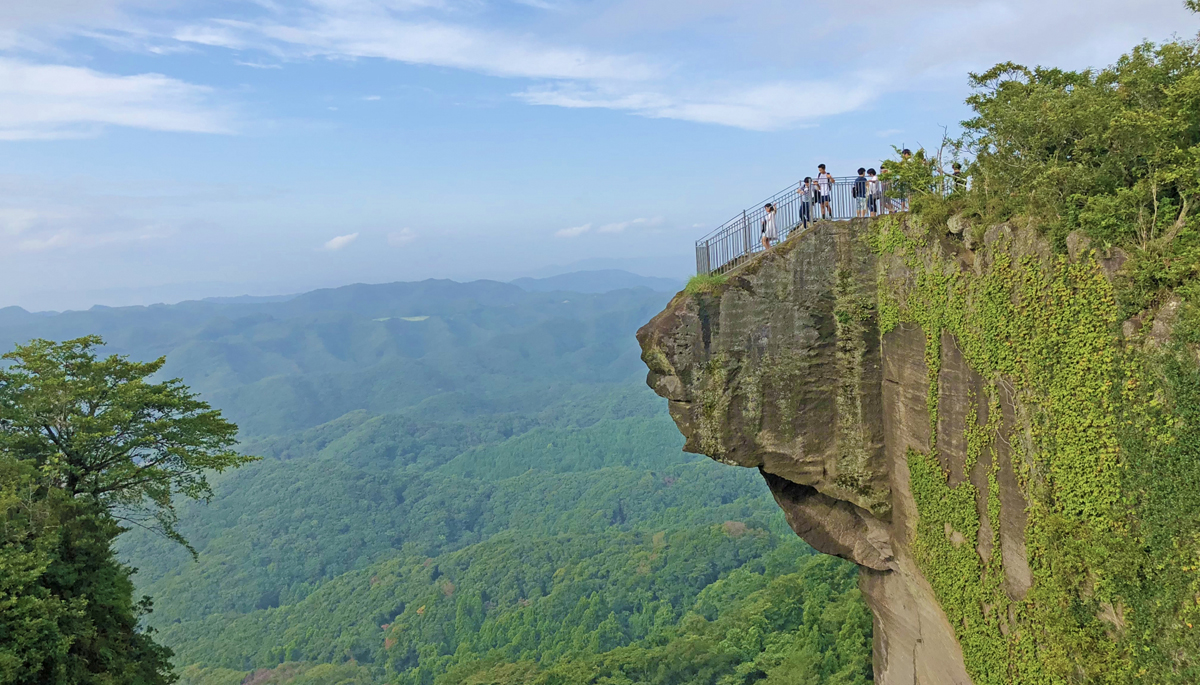
This unique rocky mountain faces the sea.
From the observation deck, visitors can see Tokyo Bay and even Mount Fuji.
Stone Buddha statues and Nihon-ji Temple add historical interest to the natural scenery.
Tokyo – Nature Close to the City
Nippara Limestone Cave
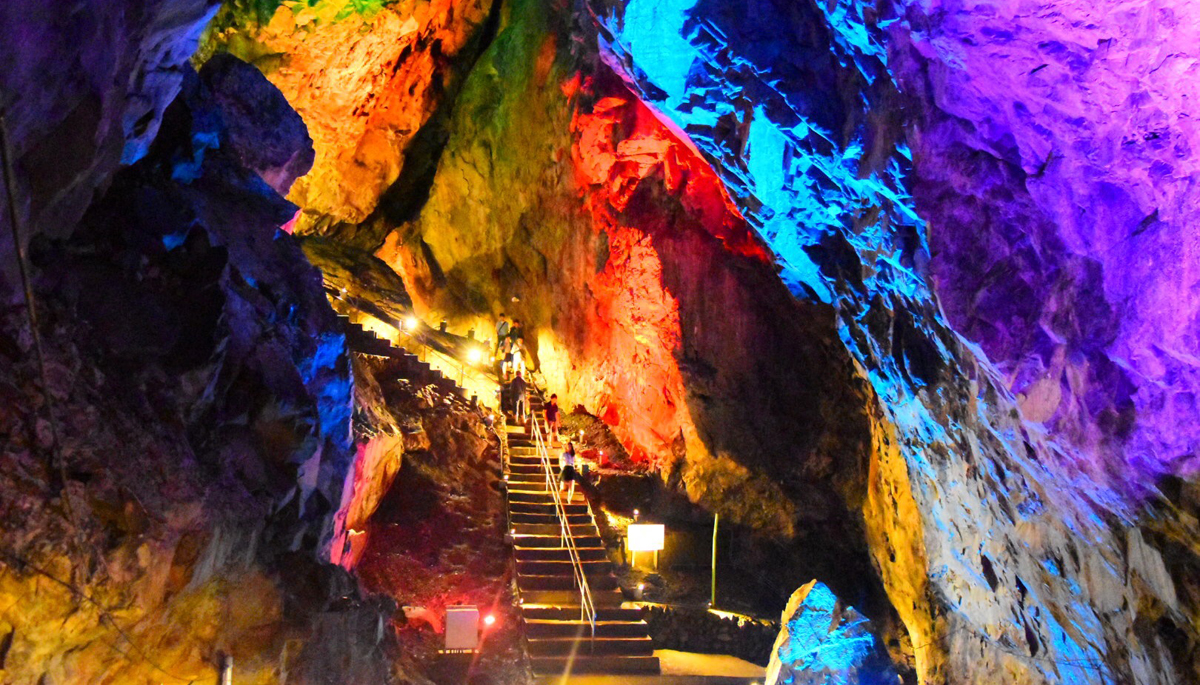
Located in Okutama, this large limestone cave features impressive underground formations.
Although it is close to central Tokyo, it feels like a different world.
Mount Mitake
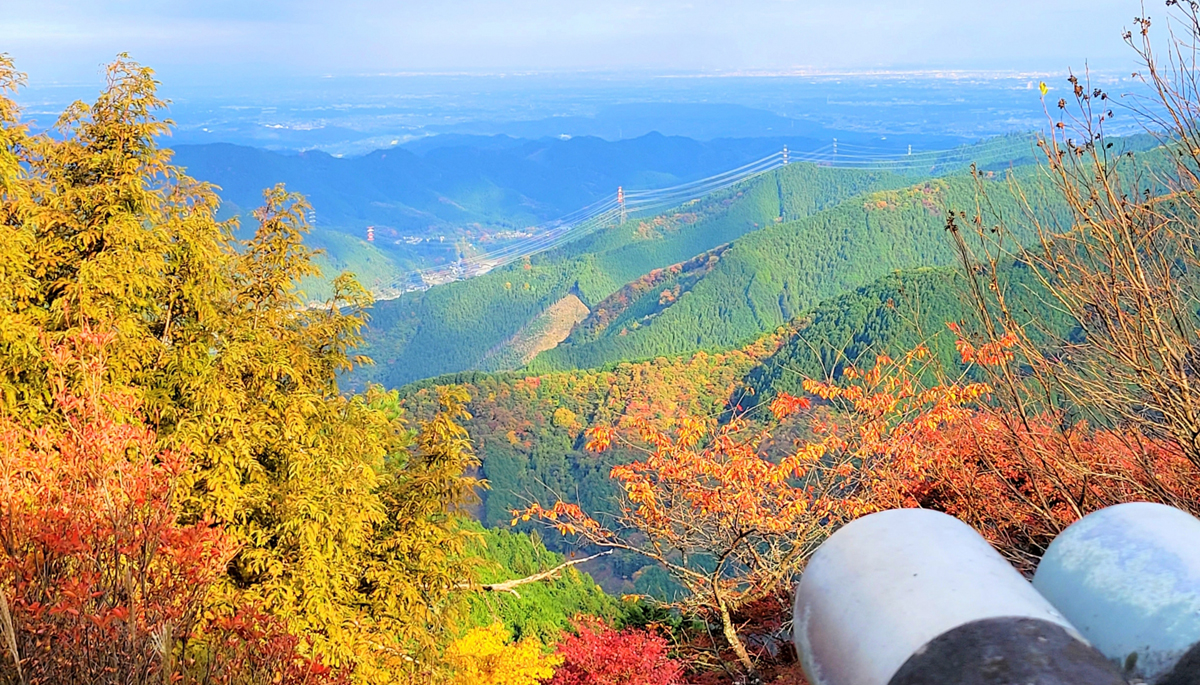
Mount Mitake stands 929 meters high.
It has long been a sacred mountain and is popular for hiking.
Visitors can easily reach it by cable car.
Mount Takao
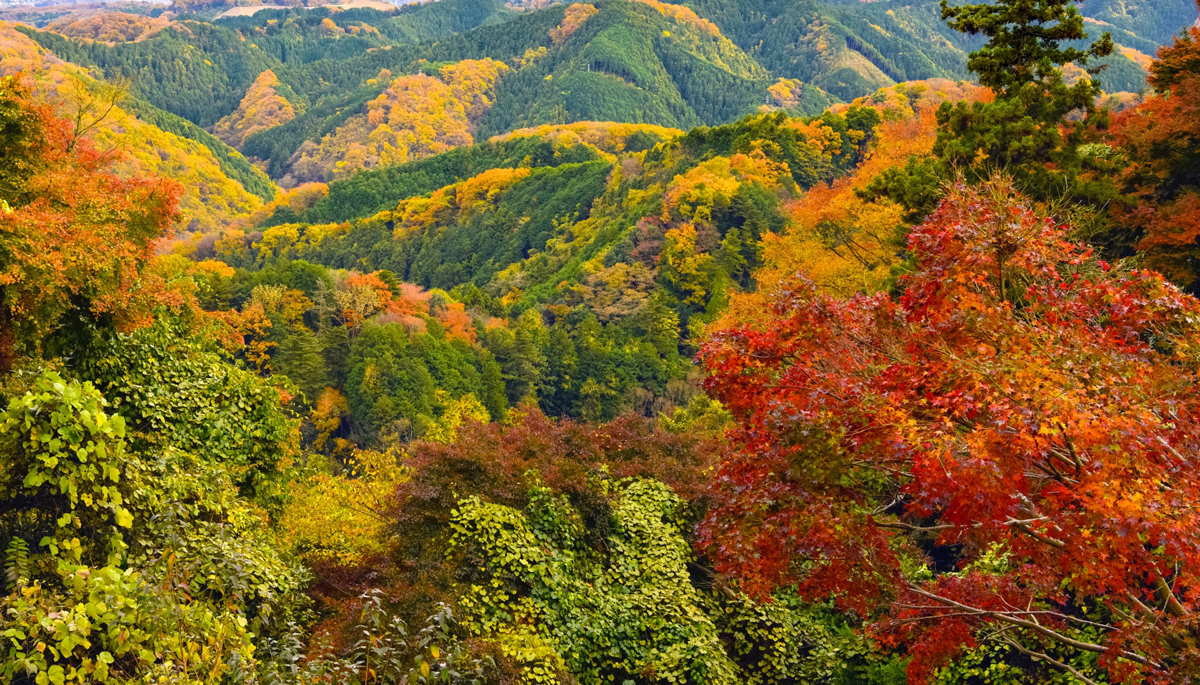
About one hour by train from central Tokyo, Mount Takao is a popular hiking destination.
It offers seasonal nature and is also featured in the Michelin Green Guide.
Kanagawa Prefecture – Lakes and Coastal Scenery
Lake Ashi
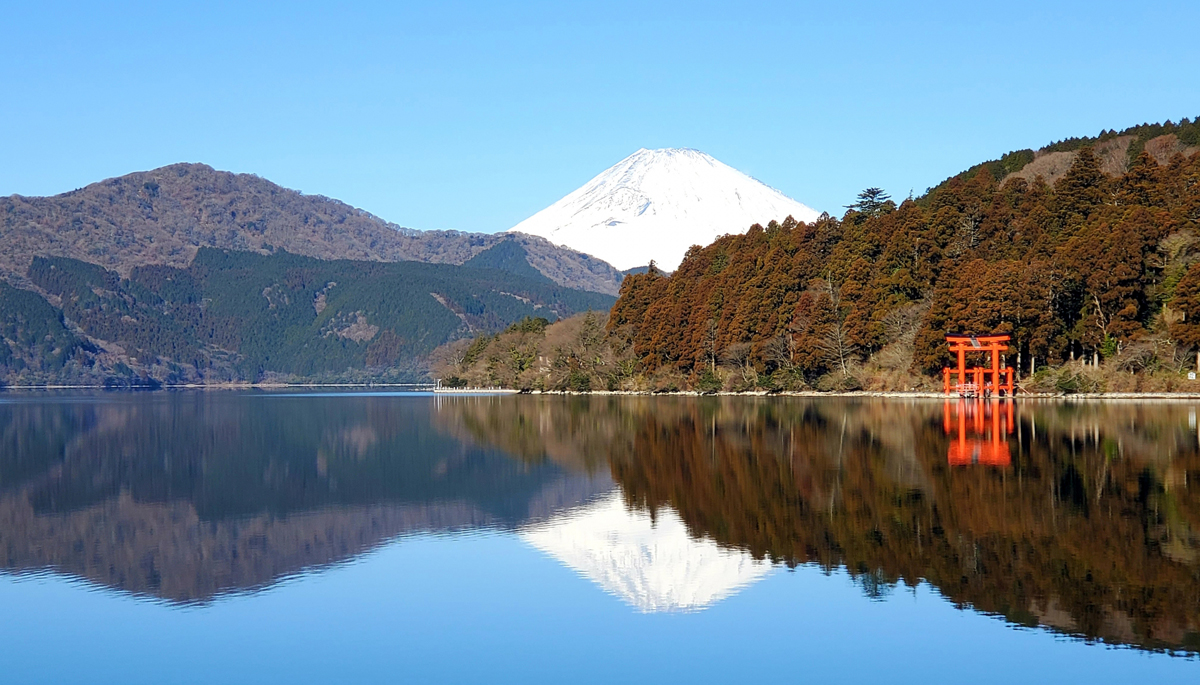
Lake Ashi is a symbolic lake of Hakone.
From the lake, visitors can see beautiful views of Mount Fuji and a torii gate standing near the shore.
Owakudani Valley
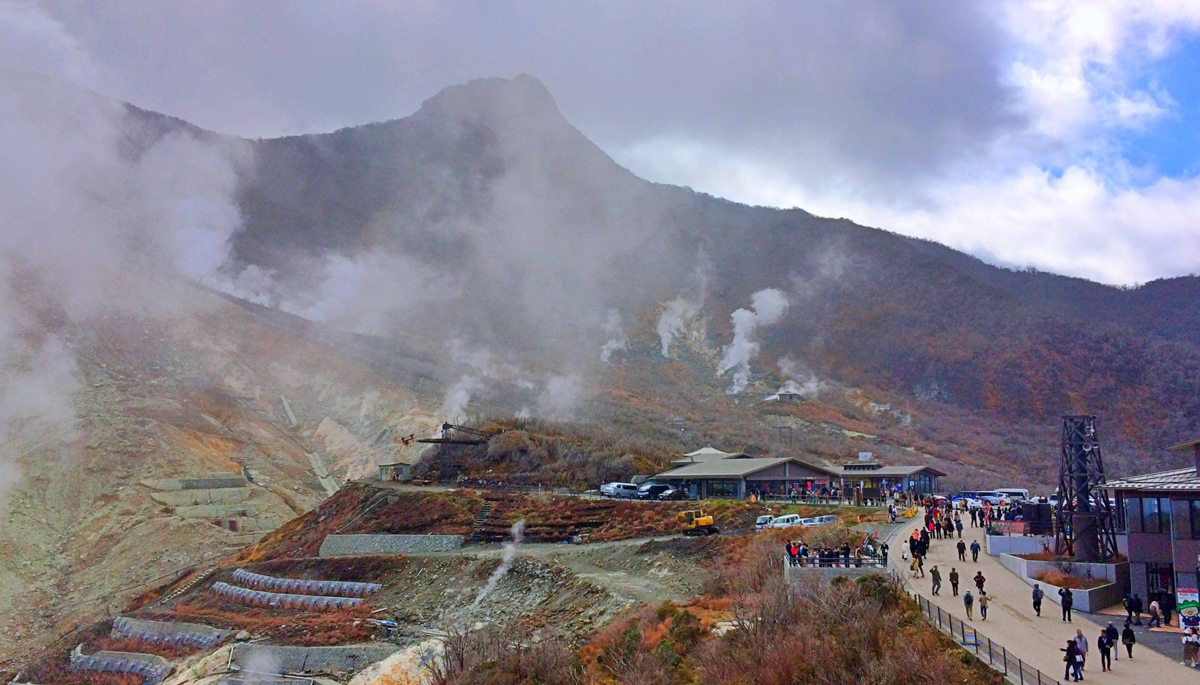
This volcanic area in Hakone has rising sulfur smoke.
The local specialty, “black eggs,” is popular among tourists.
Enoshima
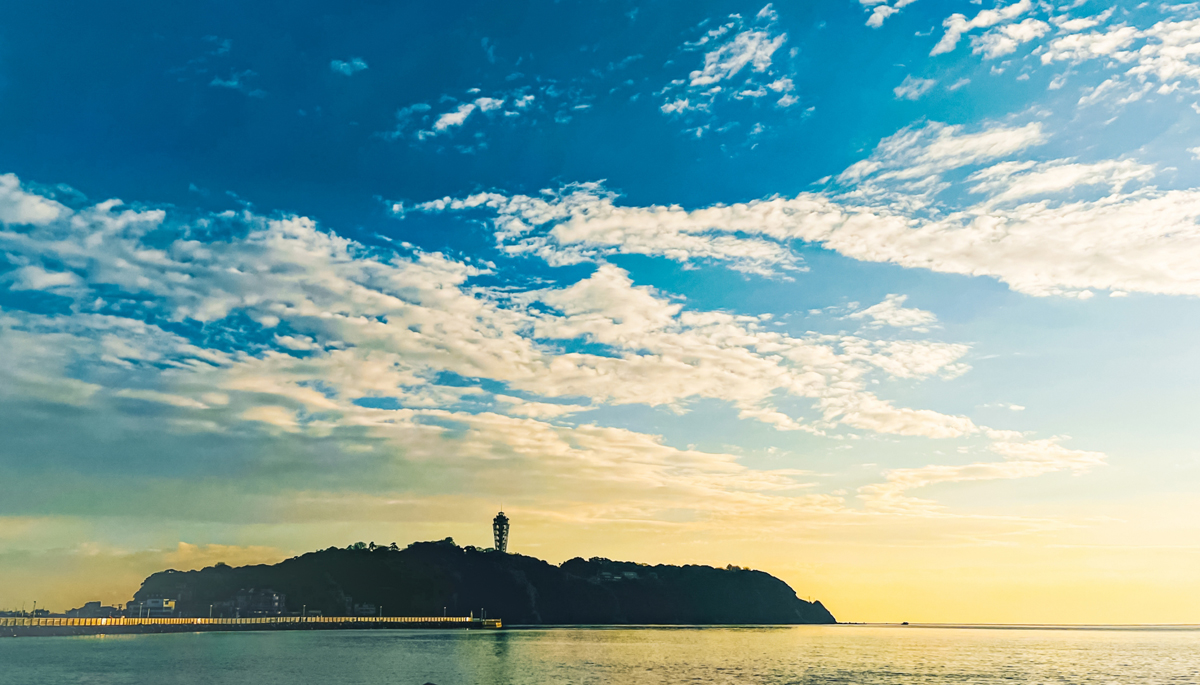
Enoshima is a symbol of the Shonan area.
Visitors can enjoy ocean views, caves, and seaside walks.
Jogashima
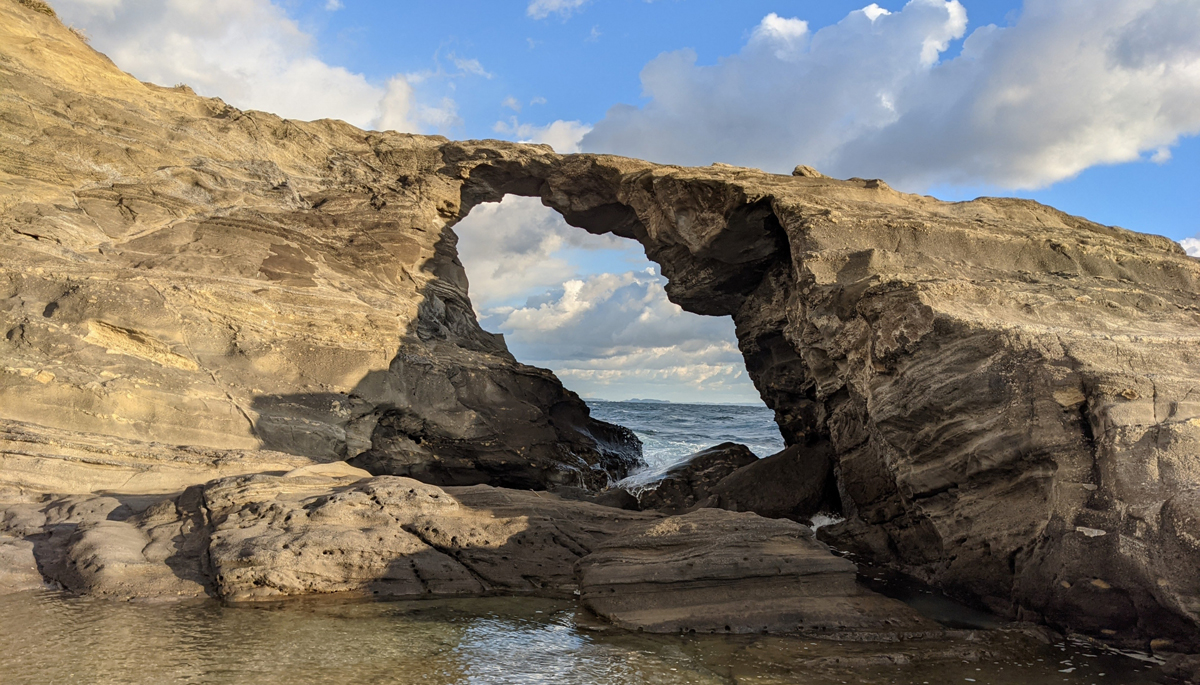
Located at the tip of the Miura Peninsula, Jogashima offers unusual rock formations and sea caves, along with fresh seafood.
Yamanashi Prefecture – Views Around Mount Fuji
Mitake Shosenkyo Gorge
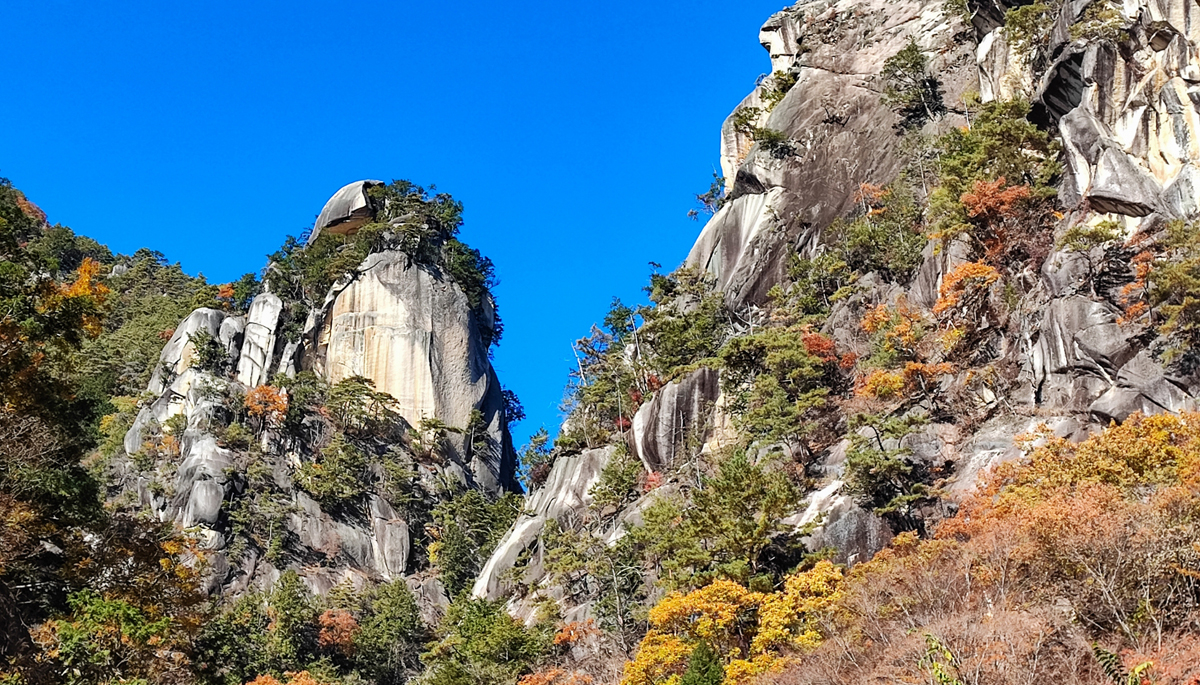
This gorge is known for its granite rock formations and waterfalls.
It is often described as one of the most beautiful gorges in Japan.
Nishizawa Gorge
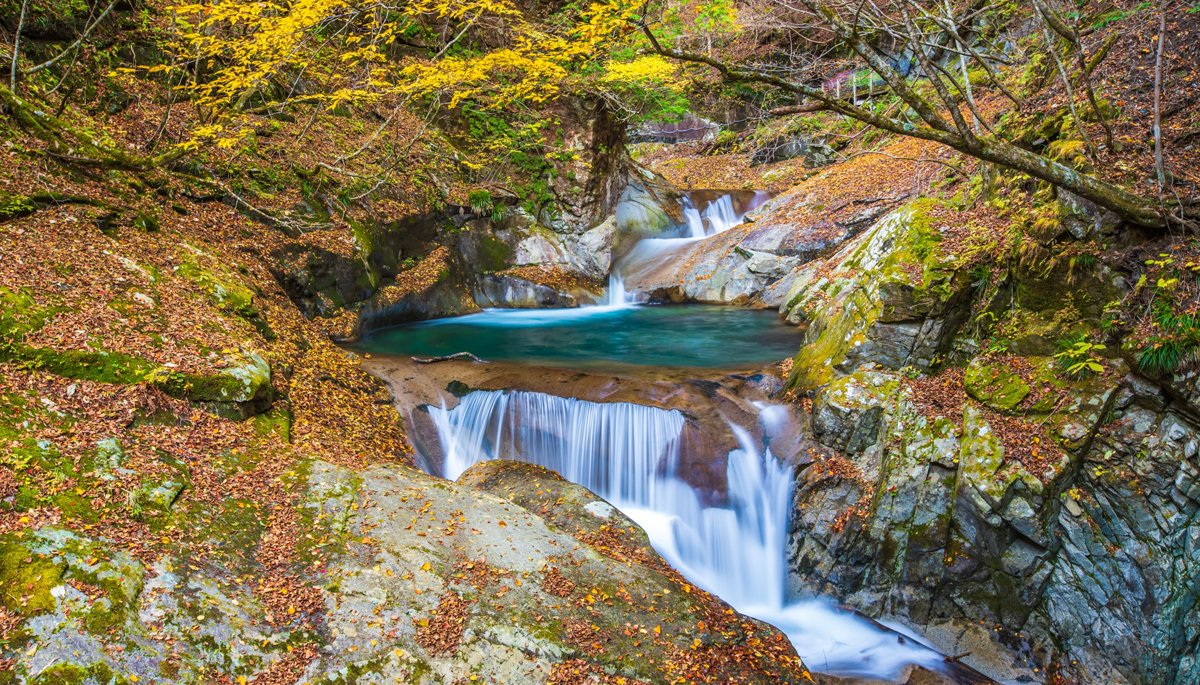
A hiking course with clear streams and waterfalls.
It is especially popular during the fresh green season and autumn foliage.
Lake Shoji
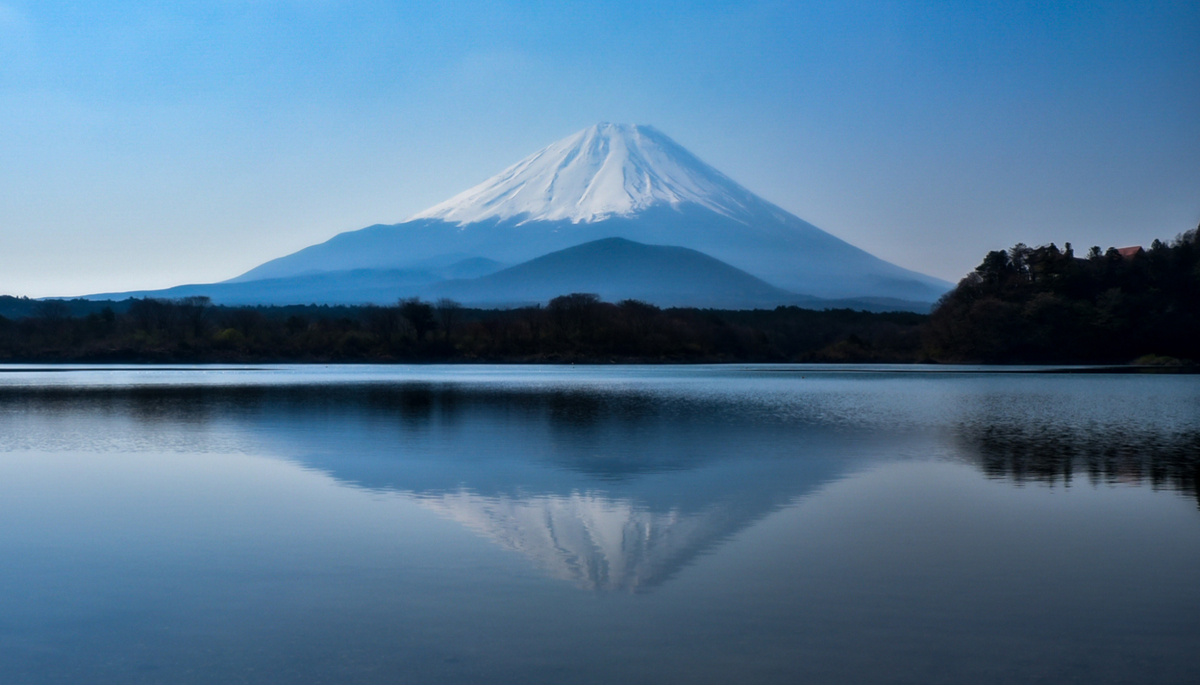
One of the Fuji Five Lakes, Lake Shoji is famous for reflections of Mount Fuji on its surface.
The quiet lakeside is perfect for camping and fishing.
Climbing Mount Fuji
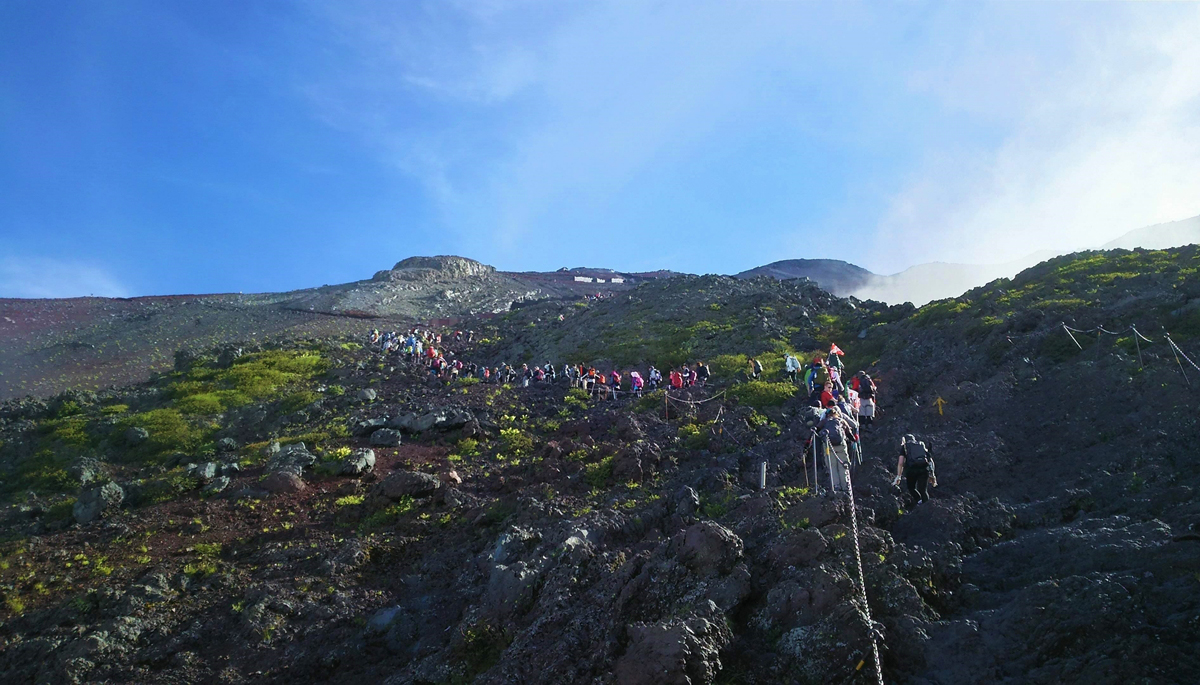
Mount Fuji is the symbol of Japan.
During the summer climbing season, hikers from around the world visit to reach the summit.
Nagano Prefecture – The Japanese Alps and Highland Nature
Kamikochi
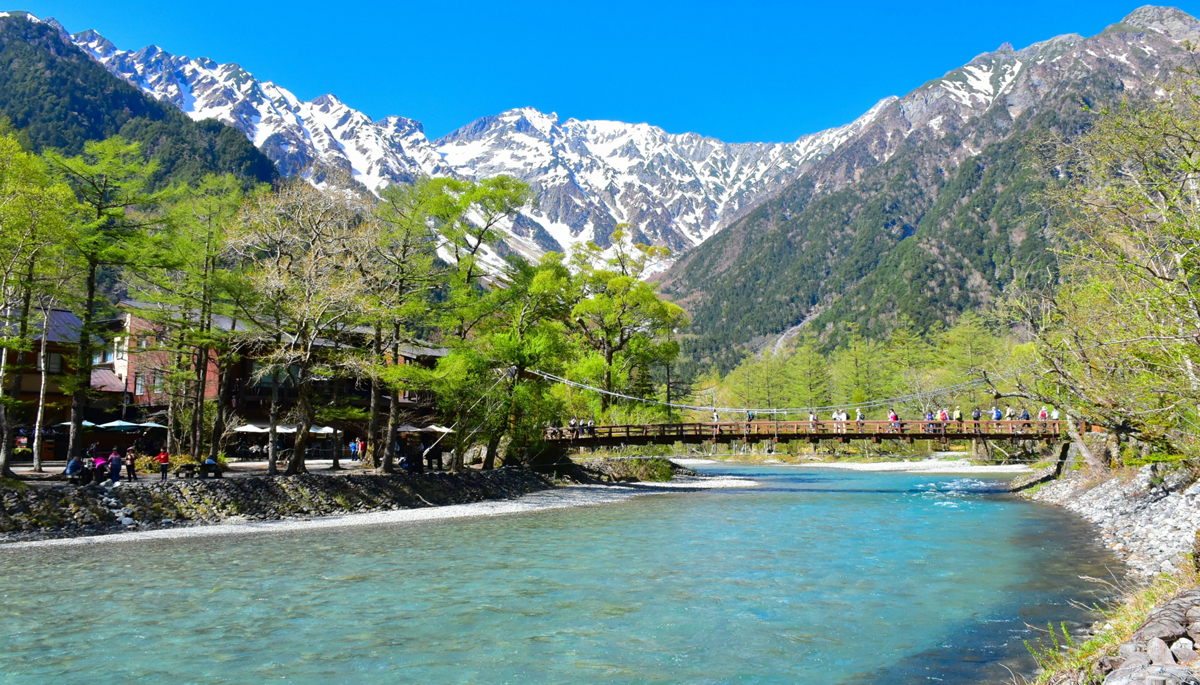
A mountain resort known for its clear rivers and wetlands with the Northern Alps in the background.
It is a popular base for trekking.
Senjojiki Cirque
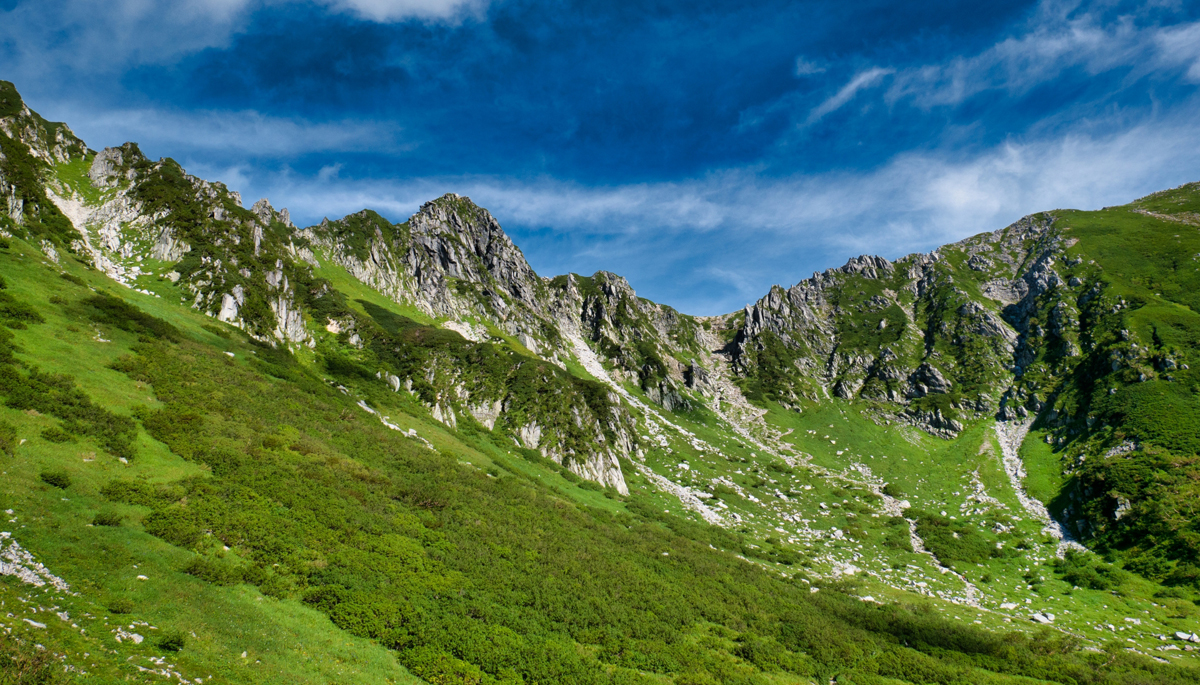
A glacial landform in the Central Alps.
Visitors can reach it easily by ropeway and enjoy high-altitude scenery.
Shiga Highlands
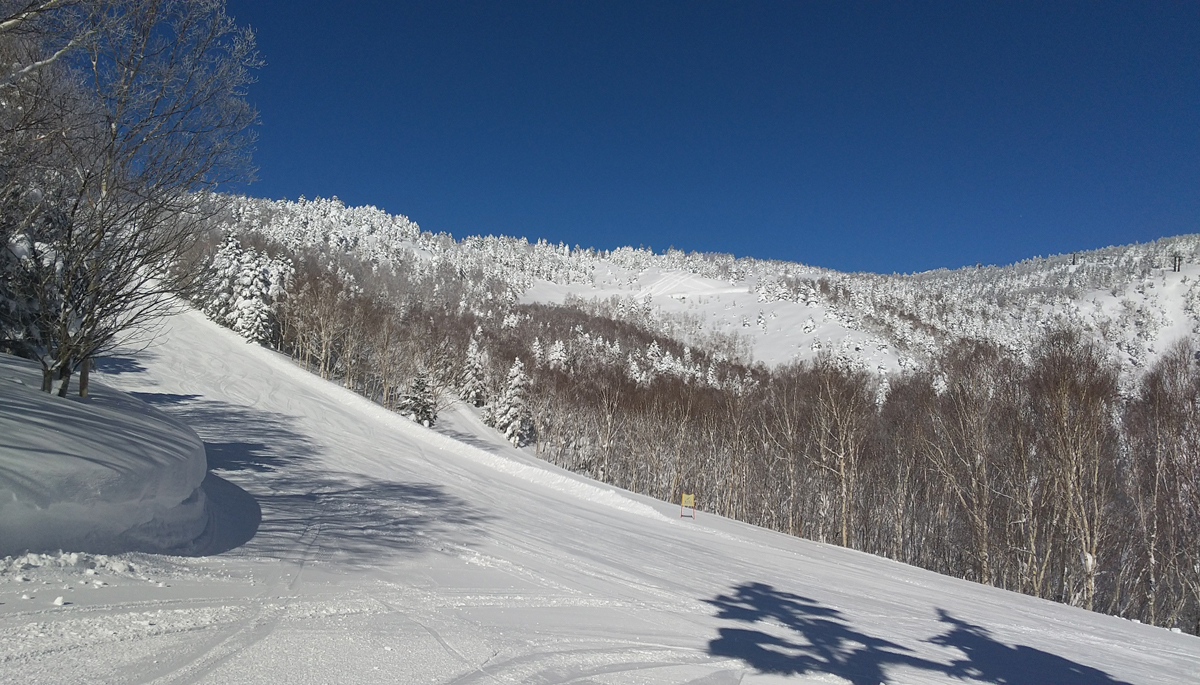
A highland area above 1,500 meters.
It is known for wetlands, ponds, and ski resorts.
Tsugaike Highland
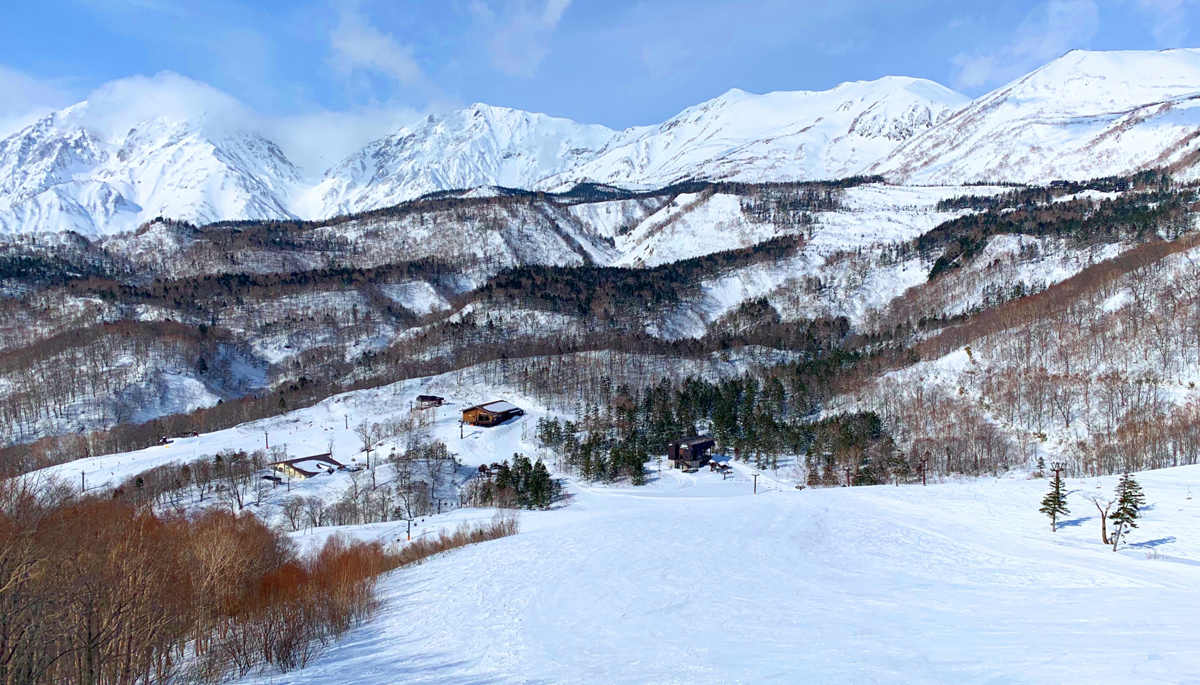
Located at the foot of the Northern Alps, this highland area features alpine plants and wetlands.
It is popular for summer hiking and winter skiing.
Yonako Great Waterfall
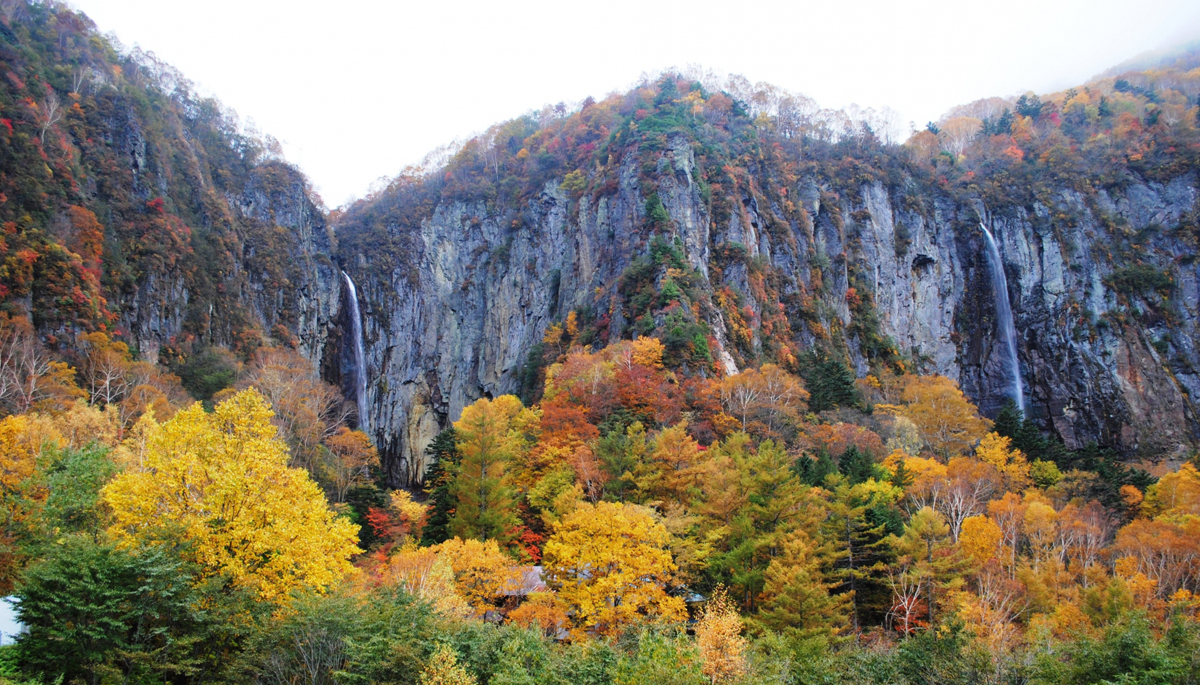
With a drop of over 80 meters, this powerful waterfall flows down steep cliffs, creating a dramatic sight.
Shiraito Falls (Karuizawa)
Thin streams of water flow down the rock face like white threads.
It is a famous sightseeing spot in Karuizawa.
Kiso Road
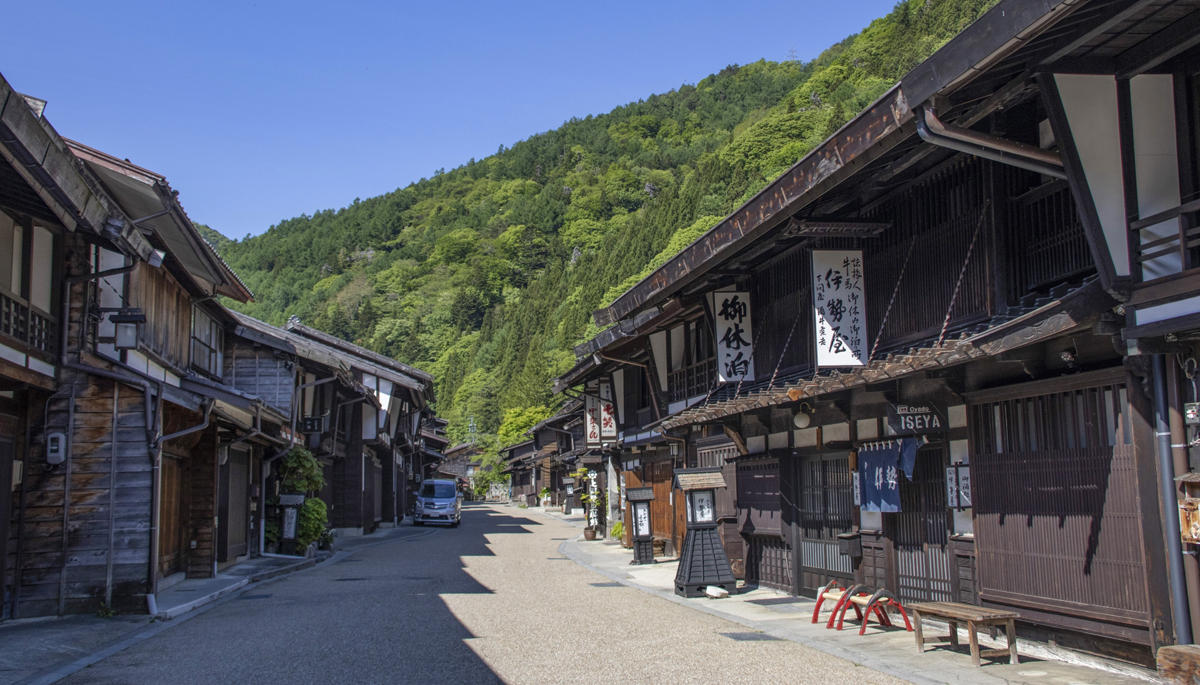
This historic route features old post towns from the Edo period and scenic valleys.
Visitors can enjoy a landscape where nature and history come together.
Conclusion
Although the Kanto and Koshinetsu regions are close to the Tokyo metropolitan area, they offer a wide range of natural environments, including seas, lakes, mountains, and valleys.
Each season brings different attractions: spring flowers, fresh greenery in summer, colorful autumn leaves, and snowy winter scenery.
From sightseeing and outdoor activities to historical exploration, this region offers many ways to enjoy nature depending on your travel purpose.
Comments