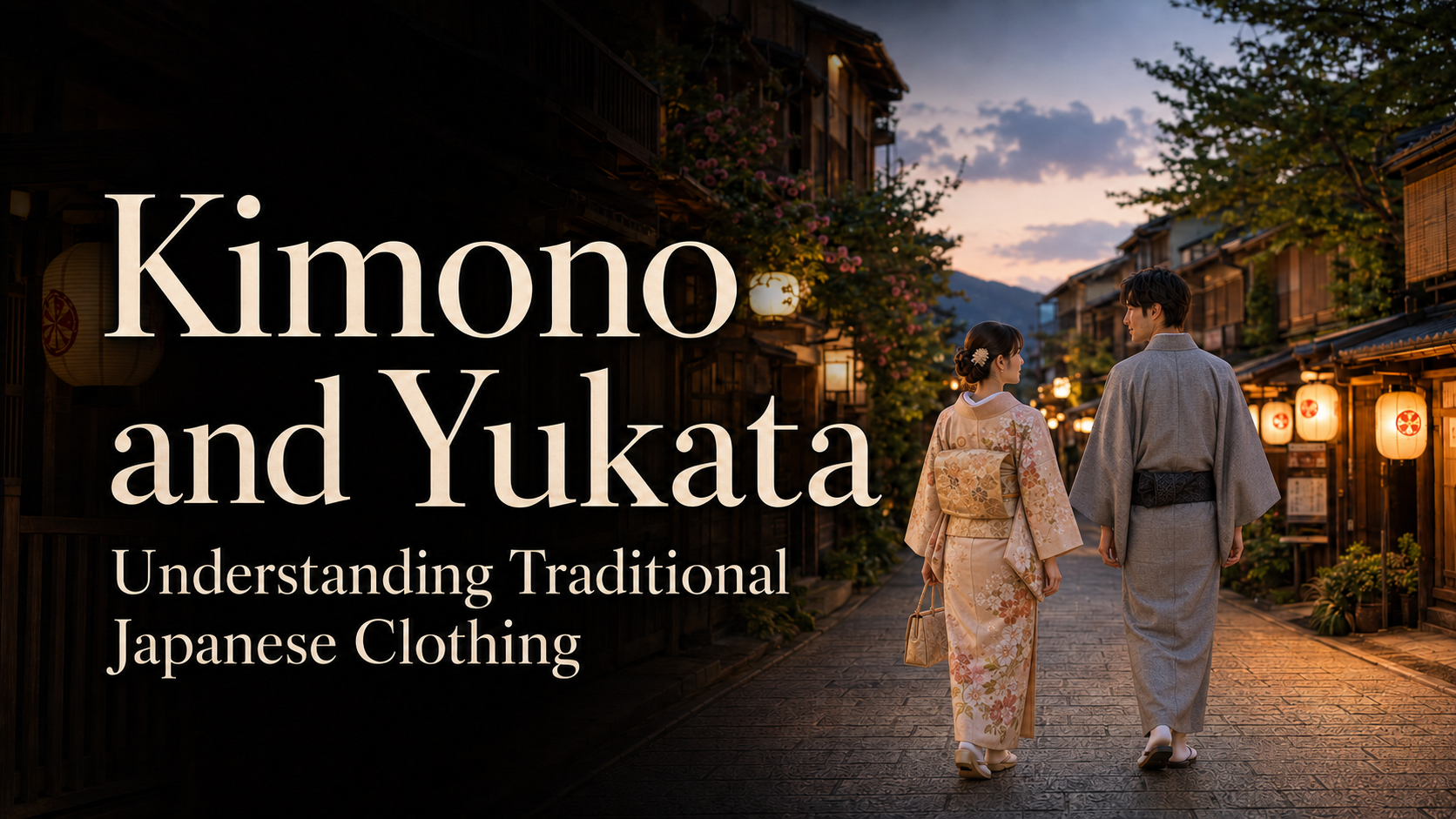
When traveling in Japan, you may see people wearing kimono or yukata at shrines, temples, historic streets, summer festivals, ryokan inns, and other places. In many tourist areas, kimono rental and yukata experiences are also available, making them popular ways to enjoy Japanese culture.
Kimono and yukata are both traditional Japanese garments. Because they look similar, visitors from overseas may find it difficult to tell them apart. However, they differ in the seasons when they are worn, the occasions they are used for, their materials, and the way they are put on.
This article introduces the basic differences between kimono and yukata, focusing on scenes that travelers may see or experience in Japan.
- Kimono and Yukata Are Both Traditional Japanese Clothing
- What Is a Kimono?
- What Is a Yukata?
- Main Differences Between Kimono and Yukata
- Differences in Season and Occasion
- Kimono Rental Experiences for Travelers
- Yukata Experiences and Summer Events
- Basic Manners When Wearing Kimono or Yukata
- Things to Keep in Mind When Taking Photos or Visiting Shrines and Temples
- What Kimono and Yukata Reveal About Japanese Culture
Kimono and Yukata Are Both Traditional Japanese Clothing
Kimono and yukata are both traditional Japanese garments worn by wrapping fabric around the body. They share the same basic structure: the front is crossed over and secured with a belt called an obi.
In everyday life today, most Japanese people wear Western-style clothing. For this reason, kimono and yukata are now more often seen as clothing for special occasions, seasonal events, or cultural experiences than as everyday wear.
However, kimono and yukata are not the same. Kimono is a broad category of clothing that can be worn even on formal occasions, while yukata is a lighter and more casual garment originally connected with bathing.
What Is a Kimono?
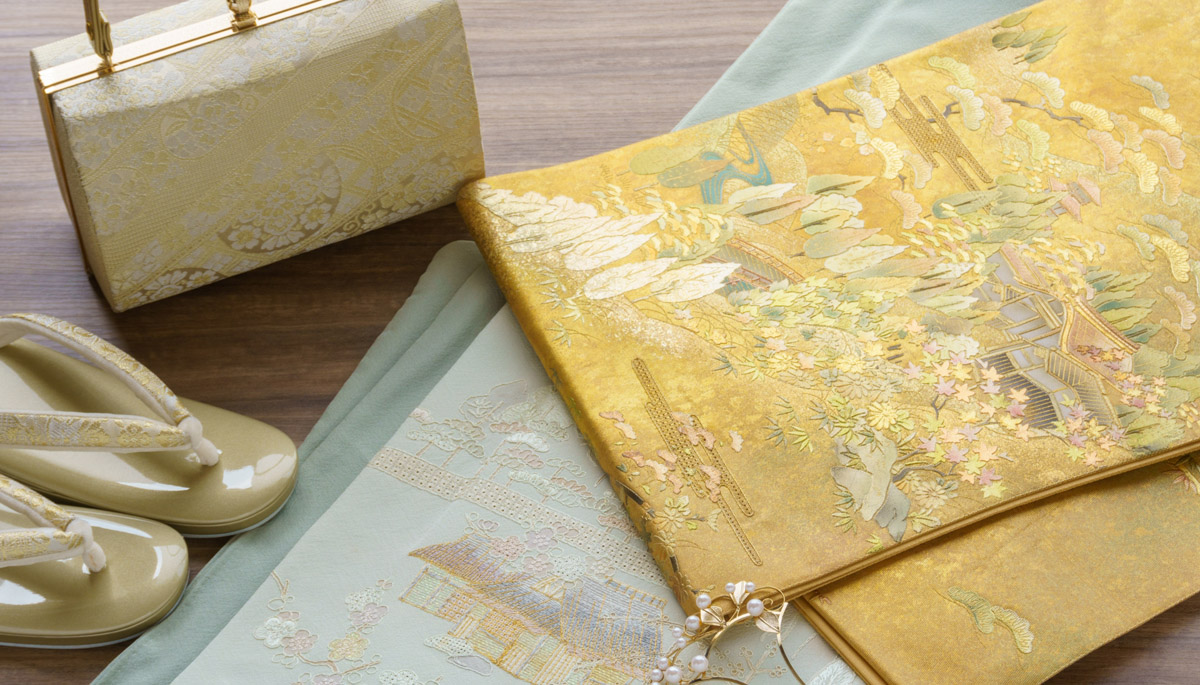
Kimono is a word used to refer to traditional Japanese clothing. The word originally means “something to wear,” but today it generally refers to Japanese-style garments.
There are many types of kimono. Furisode are worn by young women at Coming of Age ceremonies, while tomesode and homongi are worn at weddings and other formal occasions. Komon are closer to everyday-style kimono. The type of kimono worn depends on the occasion.
In tourist areas, rental kimono are mainly used for strolling through town and taking photos. In places such as Kyoto, Asakusa, Kanazawa, and Kamakura, visitors can enjoy walking through historic streets while dressed in kimono.
Kimono are worn with an undergarment called a nagajuban, and they are arranged with an obi and other accessories. They require more careful dressing than yukata, but they also create a more formal and elegant impression.
What Is a Yukata?
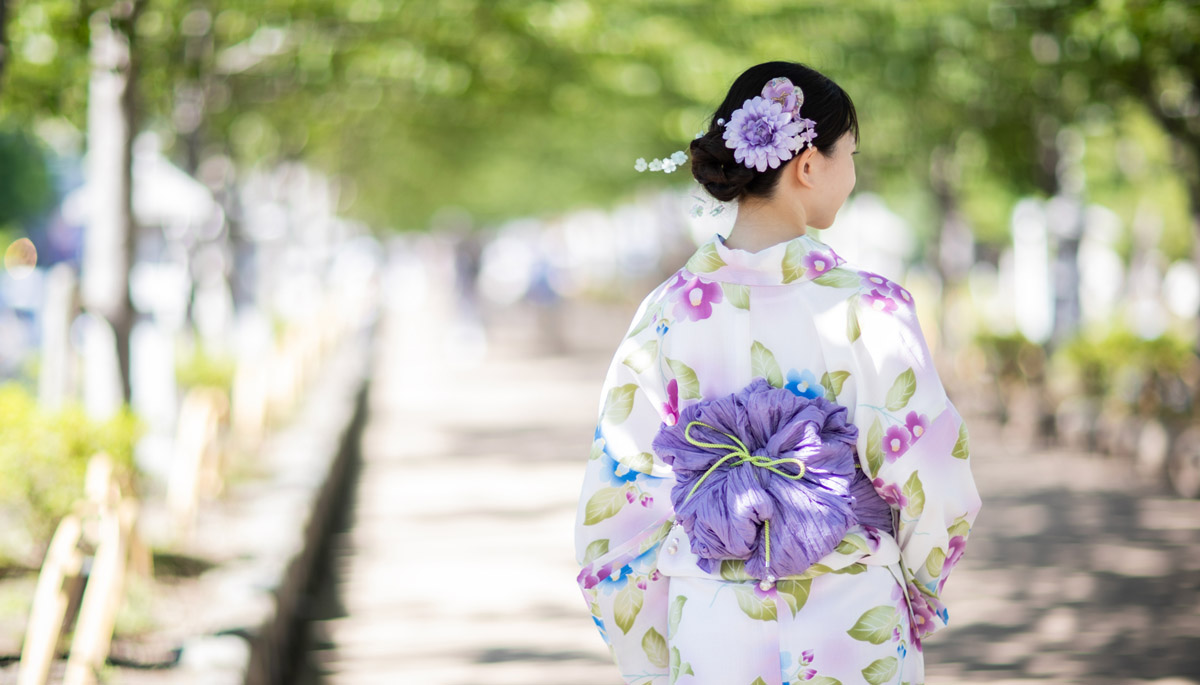
A yukata is a type of kimono, but it is lighter and more casual. It was originally used as clothing related to bathing. Even today, ryokan inns and hot spring inns often provide yukata as loungewear.
The word yukata is said to come from yukata-bira. During the Heian period, aristocrats wore linen garments when entering steam baths to protect their skin and absorb sweat. Over time, this garment came to be worn after bathing, and later developed into clothing worn outdoors at summer festivals and fireworks displays.
In other words, yukata began as clothing connected with bathing, then became relaxing loungewear, and eventually developed into an outfit that brightens Japan’s summer streets.
Today, yukata are also widely enjoyed as clothing for summer festivals and fireworks displays. They are made from light materials such as cotton, hemp, or synthetic fabrics, making them suitable for summer.
Compared with kimono, yukata are relatively easy to put on. They are often worn directly over the skin or over simple undergarments without a nagajuban, and geta wooden sandals are commonly worn with them.
The sound of geta also helps create the atmosphere of summer. When wooden geta touch stone pavement or streets, they make a dry “karan-koron” sound. This sound is one of the distinctly Japanese sounds associated with summer festivals and hot spring towns.
For travelers, yukata offer an accessible way to experience Japanese summer culture. You may see people wearing yukata at summer festivals, fireworks displays, hot spring inns, and ryokan.
Main Differences Between Kimono and Yukata
The difference between kimono and yukata is not always easy to judge by appearance alone. The main differences lie in the occasions, materials, dressing style, and footwear.
| Item | Kimono | Yukata |
|---|---|---|
| Role | Traditional clothing worn in a wide range of settings | Light clothing worn mainly in summer or after bathing |
| Materials | Silk, synthetic fabrics, cotton, and others | Cotton, hemp, synthetic fabrics, and others |
| Season | All year round | Mainly summer |
| Occasions | Celebrations, ceremonies, tea ceremony, town-walking experiences, and more | Summer festivals, fireworks displays, ryokan, after bathing |
| Dressing style | Worn with a nagajuban, obi, and accessories | Relatively simple to wear |
| Footwear | Often worn with zori sandals | Often worn with geta wooden sandals |
Simply put, kimono are broader in use and can be worn in more formal settings. Yukata are lighter, more casual garments often seen in summer or at inns.
Differences in Season and Occasion
Kimono can be worn throughout the year by changing the material and tailoring according to the season. They are used for weddings, Coming of Age ceremonies, graduation ceremonies, tea ceremony, traditional dance, shrine and temple visits, and town-walking experiences in tourist areas.
Yukata, on the other hand, are mainly worn in summer. At summer festivals and fireworks displays, you may see people in yukata enjoying food stalls or watching fireworks by rivers and in parks.
Yukata provided at ryokan are slightly different from yukata worn outdoors. At ryokan, yukata are often prepared as clothing for relaxing in the room, and guests may wear them when going to the dining area or public bath inside the inn.
However, some inns do not expect guests to go outside the building in their yukata. If you want to leave the inn while wearing one, it is best to check the inn’s guidance first.
Kimono Rental Experiences for Travelers
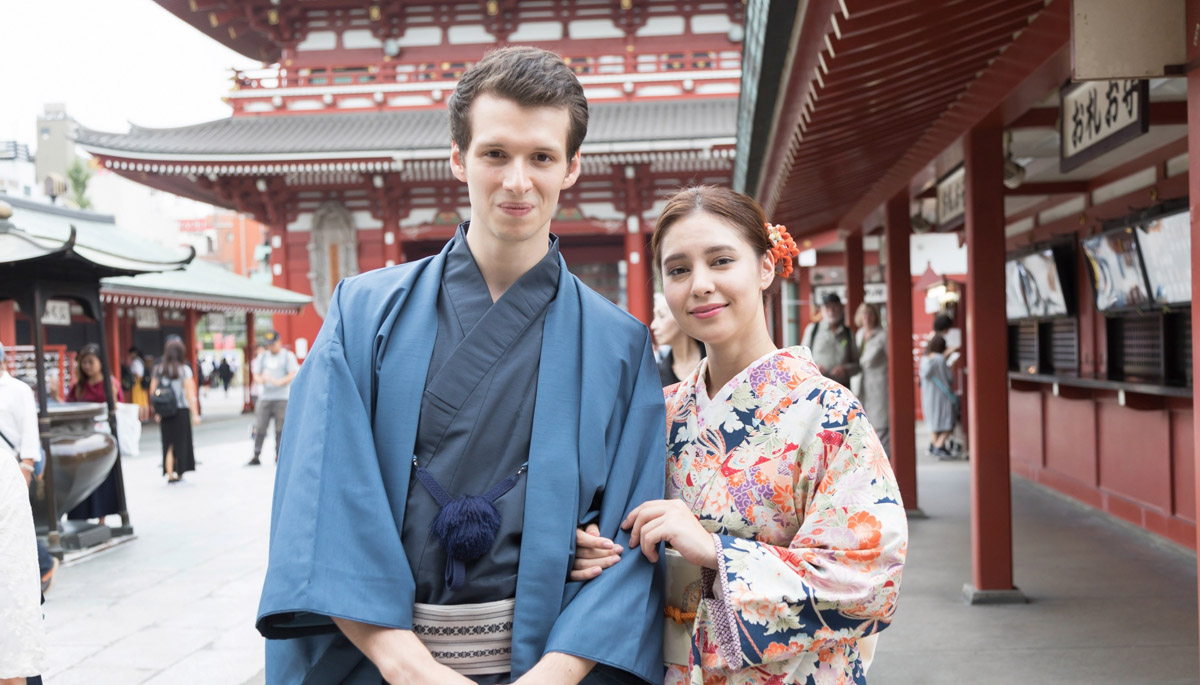
Kimono rental services are increasingly available in Japanese tourist areas. They are especially popular in places with historic streets, such as Kyoto, Asakusa, Kanazawa, Kamakura, and Kawagoe.
Kimono rental plans often include the kimono, obi, zori sandals, bag, and other items, and staff usually help with dressing. Some shops also offer kimono for men and children.
When wearing kimono, your stride becomes smaller than usual. It is important not to overdo it when going up and down stairs or walking for a long time. If you are worried about the kimono becoming loose or untidy, it is a good idea to check in advance whether the rental shop can help you adjust it.
Yukata Experiences and Summer Events
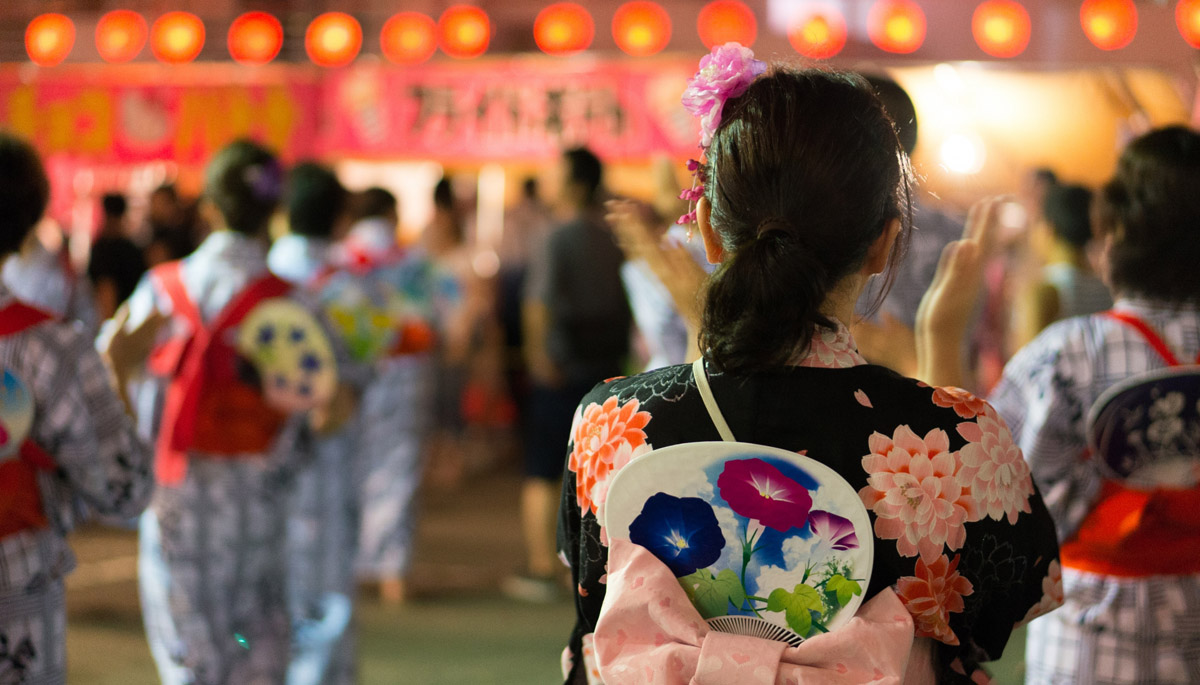
Yukata are closely connected with Japanese summer culture. At summer festivals, fireworks displays, and Bon Odori dances, you will often see people wearing yukata.
Yukata are lighter than kimono and suitable for hot weather. Their colors and patterns are often bright, and summer motifs such as flowers, goldfish, morning glories, and fireworks are commonly used.
Yukata rental services for travelers are also available. In summer tourist areas, visitors can wear yukata while walking around town or taking part in festivals.
Wearing yukata is not only a visual experience. It is also a way to become part of the town’s atmosphere through the sound of geta. Festival lights, lively food stalls, and the sound of wooden sandals together create a distinctly Japanese summer feeling.
Although yukata are easier to move in than formal kimono, they can still become untidy if you walk with large steps or run as if wearing Western clothes. If the obi feels too tight, do not force yourself to continue; ask nearby staff or the rental shop for help.
Basic Manners When Wearing Kimono or Yukata
One of the most important points when wearing kimono or yukata is how the front is crossed. The left side of the collar should come over the right side from your own point of view. This is called migi-mae.
The term migi-mae can be confusing, but it is easier to remember if you think of it as the shape that allows your right hand to slip naturally into the front of the garment. When worn correctly, the collar looks like a lowercase “y” from the front.
The opposite way, with the right side of the collar on top, is traditionally used for dressing the deceased and is therefore avoided in ordinary situations. If you are dressed by staff at a rental shop, you do not need to worry, but if you put on a yukata by yourself, this is an important point to remember.
When walking, taking slightly smaller steps helps prevent the garment from becoming disarranged. When sitting, be careful not to step on the sleeves or hem. When eating, lightly holding the sleeve with one hand can help keep it from touching food or drinks.
Kimono and yukata are garments enjoyed not only for their appearance but also for the movements and manners that come with them. Moving a little more slowly can make the overall look more graceful.
Things to Keep in Mind When Taking Photos or Visiting Shrines and Temples
When wearing kimono or yukata, there are many places where you may want to take photos. Historic streets, shrine torii gates, and temple gardens are popular photo spots.
However, some areas in shrines, temples, and gardens prohibit photography or entry. Always check signs and avoid damaging sacred places or cultural properties.
It is also important to be considerate if other worshippers or travelers may appear in your photos. In particular, avoid taking close-up photos of children or people in kimono without permission.
Photos in kimono or yukata can become wonderful memories of your trip. Precisely for that reason, it is important to enjoy them with respect for the place, its culture, and the people around you.
What Kimono and Yukata Reveal About Japanese Culture
Kimono and yukata are more than traditional clothing. They reflect a Japanese cultural sense of choosing clothing according to the season, occasion, place, and relationship with others.
Kimono carry meanings of formality, etiquette, and special occasions. Yukata express the coolness of summer, the relaxation of after-bath moments, and the enjoyment of festivals.
In Japan today, not many people wear kimono or yukata every day. Even so, they continue to be valued at Coming of Age ceremonies, weddings, festivals, ryokan, tourist areas, and other important seasonal or life events.
When traveling in Japan, if you see kimono or yukata, try looking not only at the beauty of their colors and patterns, but also at the occasions in which they are worn. There you will find Japan’s sense of the seasons, etiquette, and everyday aesthetics.