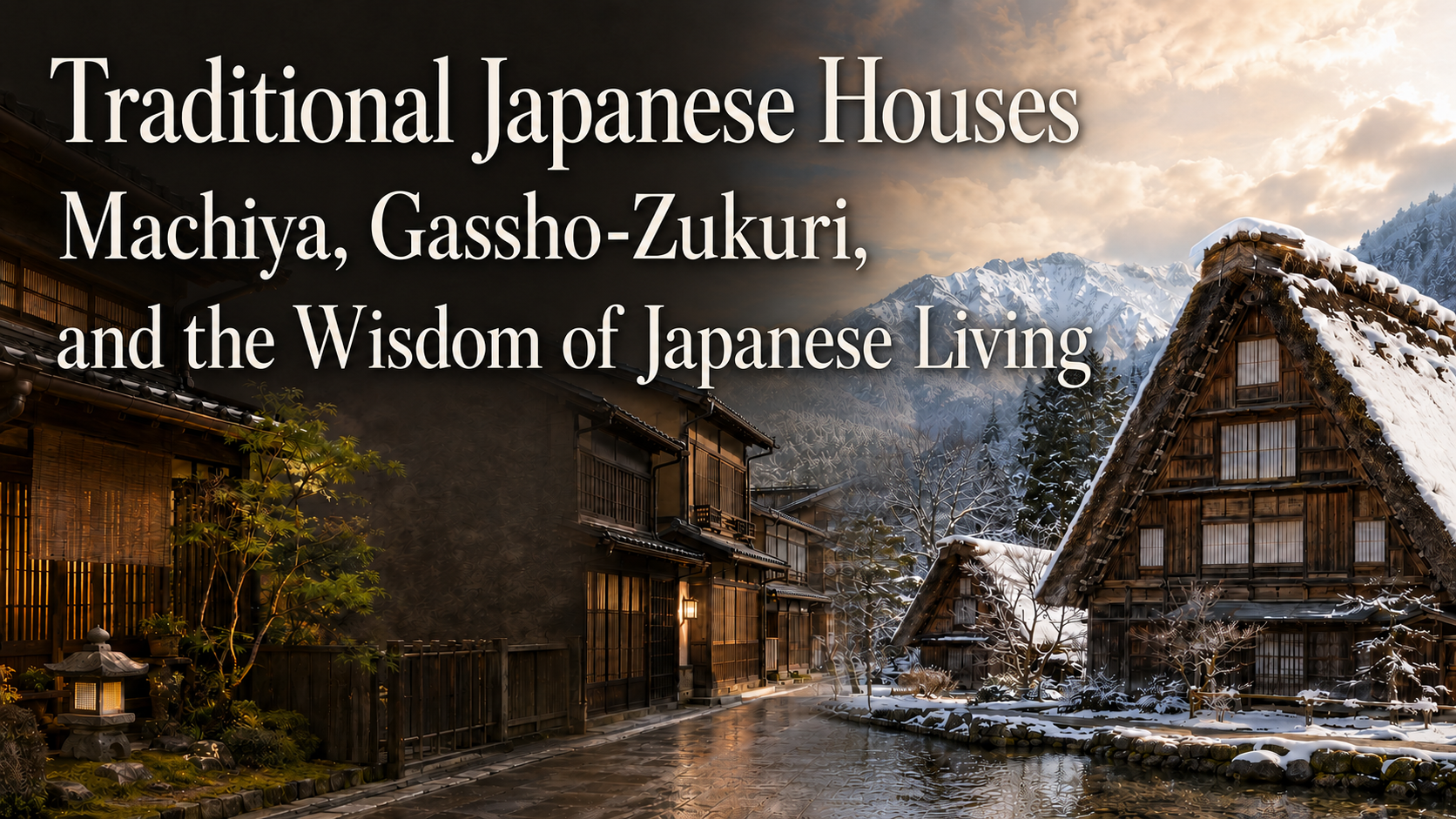
When traveling in Japan, you may come across old wooden houses in historic townscapes or large thatched-roof houses in mountain villages. Machiya, often seen in places such as Kyoto and Kanazawa, and gassho-zukuri, known from Shirakawa-go and Gokayama, are representative examples of traditional Japanese houses.
These buildings are not simply old and beautiful homes. Machiya reflect the wisdom of making use of limited urban land while combining business and daily life. Gassho-zukuri houses reflect the knowledge needed for families to live and work in snow-covered mountain villages while adapting to a harsh natural environment.
By looking at traditional Japanese houses, you can see how regional climate, land use, work, and family life have shaped the form of the home.
This article introduces the characteristics of traditional Japanese houses, focusing on machiya and gassho-zukuri, along with their architectural features and points to know when visiting or staying in them.
- Traditional Japanese Houses Were Born from Local Ways of Life
- What Is a Machiya?
- Architectural Features of Machiya
- Living Spaces Inside a Machiya
- What Is Gassho-Zukuri?
- Architectural Features of Gassho-Zukuri
- Life and Work in Gassho-Zukuri Houses
- Differences Between Machiya and Gassho-Zukuri
- Traditional Houses You Can Visit
- Staying in Traditional Houses
- Manners When Visiting Traditional Houses
- What Traditional Houses Reveal About Japanese Culture
Traditional Japanese Houses Were Born from Local Ways of Life
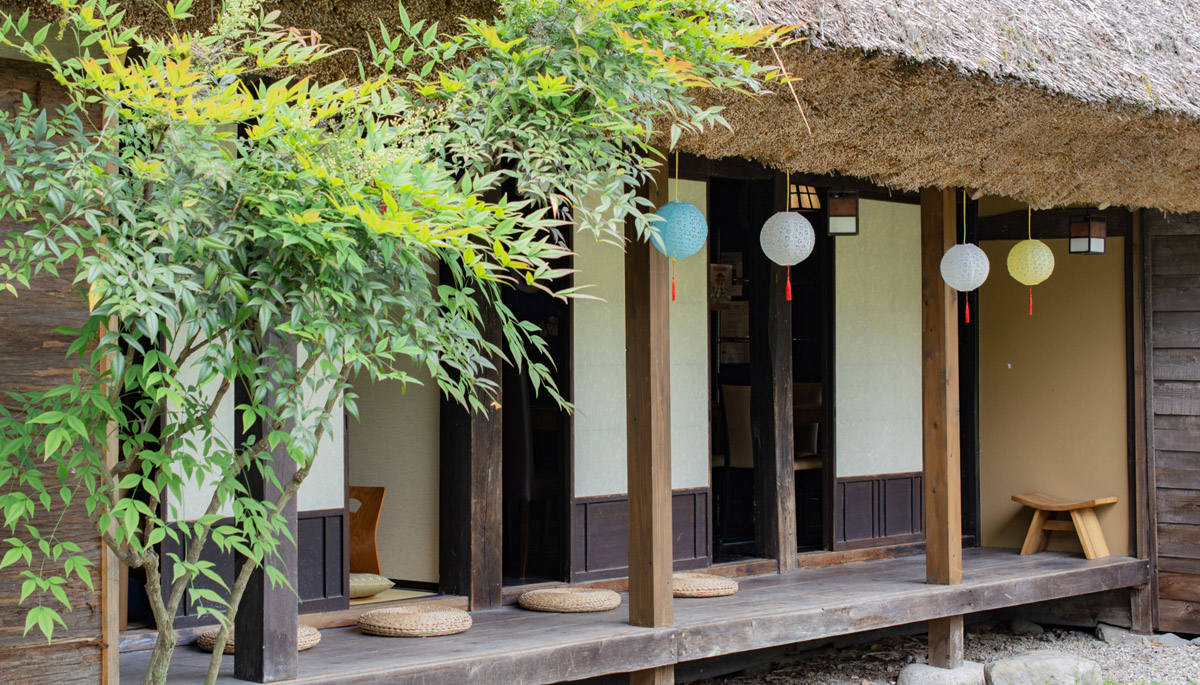
Japan stretches far from north to south, and its climate and geography vary greatly by region. In areas with heavy snow, humid regions, commercial towns, and mountain villages, people’s ways of living and the forms of their homes developed differently.
Traditional houses were designed so that people could live more comfortably in their local environment. Using natural materials such as wood, earth, bamboo, paper, and thatch, people created living spaces that allowed air to flow, brought in light, and protected them from rain and snow.
A famous phrase from the classical essay Tsurezuregusa says, “A house should be built with summer in mind.” In Japan’s hot and humid climate, finding ways to stay cool in summer was an important issue for traditional homes. Floor plans that allowed air to pass through, the flexible use of sliding doors such as shoji and fusuma to divide or open up space, and the connection between rooms and gardens all reflect this summer-oriented way of living.
Machiya and gassho-zukuri are good examples of how different these regional solutions can be. Machiya supported commerce and daily life in cities and post towns. Gassho-zukuri houses brought family life and work together under one roof in mountain villages with heavy snowfall.
Both styles become easier to understand when seen not only as beautiful old buildings, but also as rational forms of architecture rooted in local life.
What Is a Machiya?
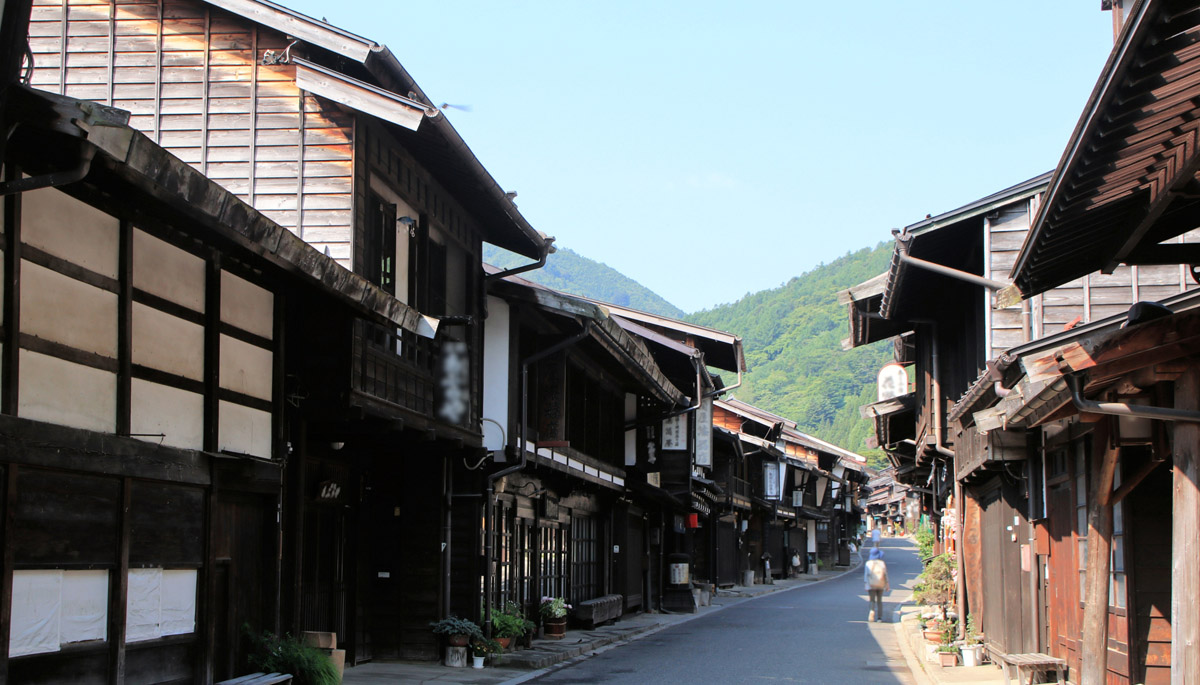
Machiya are traditional wooden townhouses built in urban areas and post towns. Kyoto machiya are especially well known, but machiya can also be seen in historic townscapes in places such as Kanazawa, Nara, Takayama, and Kawagoe.
Machiya developed as homes for townspeople and merchants. The area facing the street was often used as a shop or workspace, while the kitchen, reception rooms, garden, and family living spaces continued farther inside. One of the main characteristics of machiya is that business and daily life existed within the same building.
Many machiya have a narrow frontage and a deep interior. This was a way to make use of limited urban land and allowed people to conduct business facing the street while extending the living space toward the back.
In tourist areas, some machiya have been renovated into cafés, inns, museums, and shops. By entering the interior, not just looking at the exterior, visitors can sense how machiya supported everyday life.
Architectural Features of Machiya
One of the best-known features of machiya is their long, narrow layout, often called “unagi no nedoko,” or “eel’s bed.” The frontage facing the street is narrow, while the building extends deep toward the back.
This form can be understood as a way to make practical use of limited urban land. By placing the shop or workplace near the street and extending the kitchen, reception rooms, garden, and family spaces toward the back, people could combine work and home life even within a narrow frontage.
It is also sometimes explained that the narrow frontage of machiya was related to tax systems based on the width of the frontage. This explanation cannot account for every machiya, but it is an interesting example of how urban systems and land use could influence the shape of houses.
In such houses, bringing in light and airflow became especially important. Machiya include features such as wooden latticework, toriniwa, and tsuboniwa, all of which helped make urban living more comfortable.
Latticework, or koshi, consists of narrow wooden slats used on windows and doors facing the street. It softens the view from outside while allowing light and air to enter. Rather than closing the house completely, it allows residents to live while still sensing the presence of the street.
Toriniwa is an earthen-floored passage that runs from the entrance toward the back of the house. It could be used as a kitchen or work area, and it also created a path for air to move through the building.
Tsuboniwa are small gardens placed in the middle or rear of the house. Even on narrow plots, they bring in light, allow ventilation, and provide a sense of the seasons. Trees, stones, moss, and lanterns in these small gardens allow residents to feel close to nature even while living in the city.
Machiya are homes that made it possible to combine commerce, daily life, and a connection with nature within the limited land of the city.
Living Spaces Inside a Machiya
Inside a machiya, there are spaces with different roles, such as the mise-no-ma near the street, reception rooms deeper inside, the kitchen, and the tsuboniwa.
The mise-no-ma was the space used for business. It served as the public-facing area where goods were displayed and customers were welcomed. Beyond it, the family’s private living spaces continued toward the back.
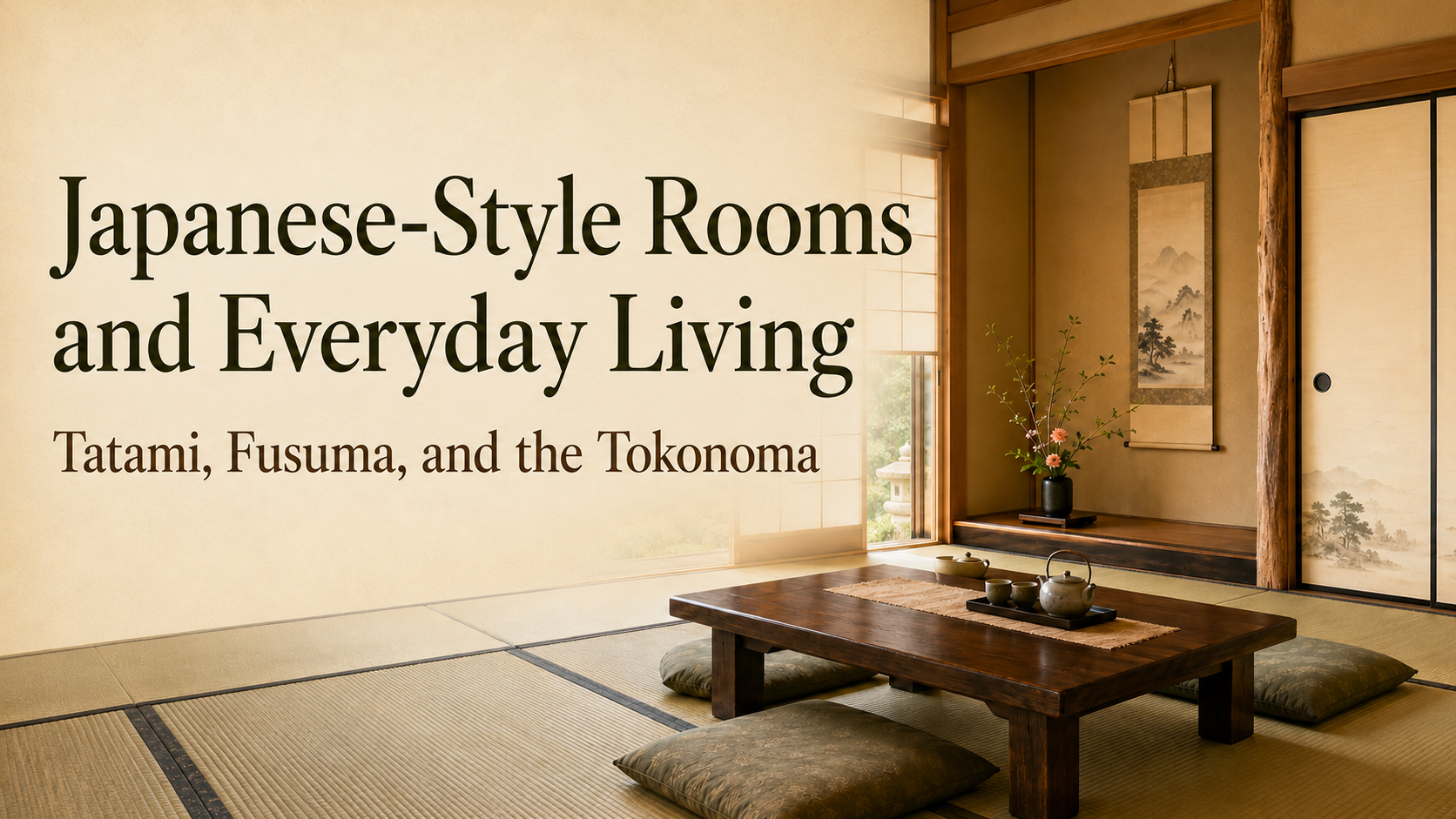
The zashiki, or tatami reception room, was used for welcoming guests and holding important family occasions. With features such as a tokonoma alcove, shoji, fusuma, and tatami, it created a calm atmosphere together with seasonal decorations and views of the garden.
The kitchen and earthen-floored areas supported daily life and work. In machiya, work and home life existed together within the house. The public commercial space facing the street and the family’s private living space farther inside were connected within the long, narrow structure.
When visiting a machiya, it is worth paying attention not only to the exterior but also to how the character of the space changes as you move from the front toward the back.
What Is Gassho-Zukuri?
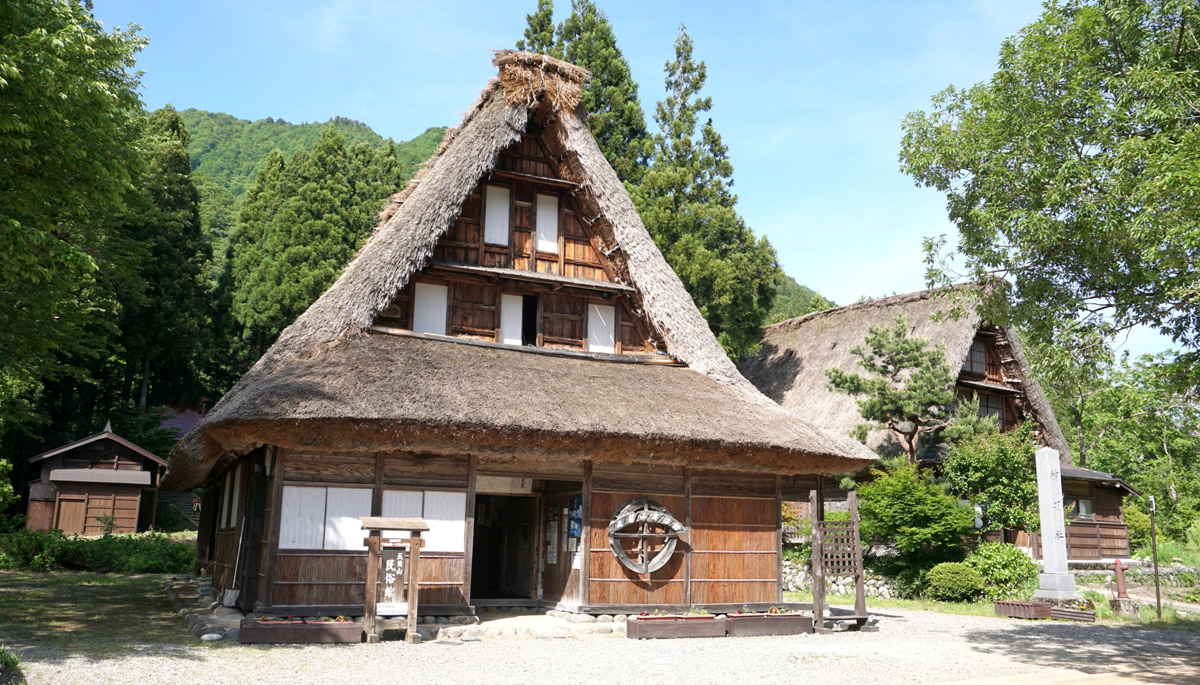
Gassho-zukuri is a traditional house style known from Shirakawa-go in Gifu Prefecture and Gokayama in Toyama Prefecture. Its most distinctive feature is a large, steeply pitched thatched roof. The roof shape resembles two hands joined in prayer, which is why it is called “gassho-zukuri.”
The gassho-zukuri villages of Shirakawa-go and Gokayama are also known as UNESCO World Heritage sites. The sight of large houses standing in snow-covered mountain villages is a traditional rural landscape that attracts many travelers.
Gassho-zukuri houses have a striking appearance, but their form has practical reasons related to life in regions with heavy snowfall. The steep roof helps snow slide off more easily, while the spacious attic was used as a place for work.
Gassho-zukuri houses are not only homes adapted to the natural environment. They are also buildings that supported family life and local industries.
Architectural Features of Gassho-Zukuri
The most distinctive feature of gassho-zukuri is the steep thatched roof. In regions with heavy snowfall, snow that continues to pile up on a roof places great weight on the building. A steep roof allows snow to fall off more easily and helps protect the house.
Inside the roof is a large open space. This attic was once used for work such as sericulture. A gassho-zukuri house was both a living space and a workplace.
Gassho-zukuri houses were built using traditional techniques that relied on wooden joinery and rope rather than many nails. To withstand snow and wind, the structure needed not only strength but also flexibility to respond to movement and weight.
The smoke from the irori hearth also helped maintain the building. Smoke rising from the hearth spread into the attic and is said to have helped dry the thatched roof and protect it from insects.
Thatched roofs require regular re-thatching. Maintaining such a large roof takes many hands and a great deal of time.
In Shirakawa-go, the re-thatching of these roofs has long been supported by a system of mutual aid known as yui. Yui is not merely a form of labor-sharing; it is a form of community wisdom for protecting village life.
Gassho-zukuri houses have been passed down not only through architectural techniques, but also through the cooperation of the people who maintained them.
Life and Work in Gassho-Zukuri Houses
Gassho-zukuri houses were homes for large families. In a harsh natural environment, the functions of daily life and work were gathered within the house.
At the center of the home was the irori hearth, used for warmth, cooking, and family gatherings. The irori was the center of daily life, but it also helped warm the entire house and protect the building.
The large attic space was used for work such as sericulture. The house included ways to bring in light and air, allowing rural work to take place inside the building.
Looking at a gassho-zukuri house reveals that a home was not merely a place to sleep. It was a space that supported family life, work, and the connections of the local community.
Differences Between Machiya and Gassho-Zukuri
Machiya and gassho-zukuri are both traditional Japanese houses, but they were born from very different environments and served different roles.
| Item | Machiya | Gassho-Zukuri |
|---|---|---|
| Main regions | Towns such as Kyoto, Kanazawa, Nara, and Takayama | Mountain areas such as Shirakawa-go and Gokayama |
| Location | Urban areas, commercial districts, post towns | Mountain villages with heavy snowfall |
| Architectural feature | Narrow frontage and deep interior | Steeply pitched thatched roof |
| Lifestyle feature | Business and home life combined | Daily life, farming, and sericulture combined |
| Main ideas | Ventilation, light, tsuboniwa gardens, latticework | Snow protection, attic use, irori hearth |
| Visitor experiences | Machiya cafés, machiya inns, museums | Village walks, open-air folk house museums, lodging experiences |
Machiya are homes designed for living and doing business in the city. Their defining feature is the combination of a public space open to the street and private living spaces extending toward the back.
Gassho-zukuri houses are homes designed for families to live and work in snow-covered mountain villages. Their defining features include large roofs, spacious attics, and daily life centered around the irori.
Comparing these two styles makes it clear that Japanese houses developed according to regional environments and ways of life.
Traditional Houses You Can Visit
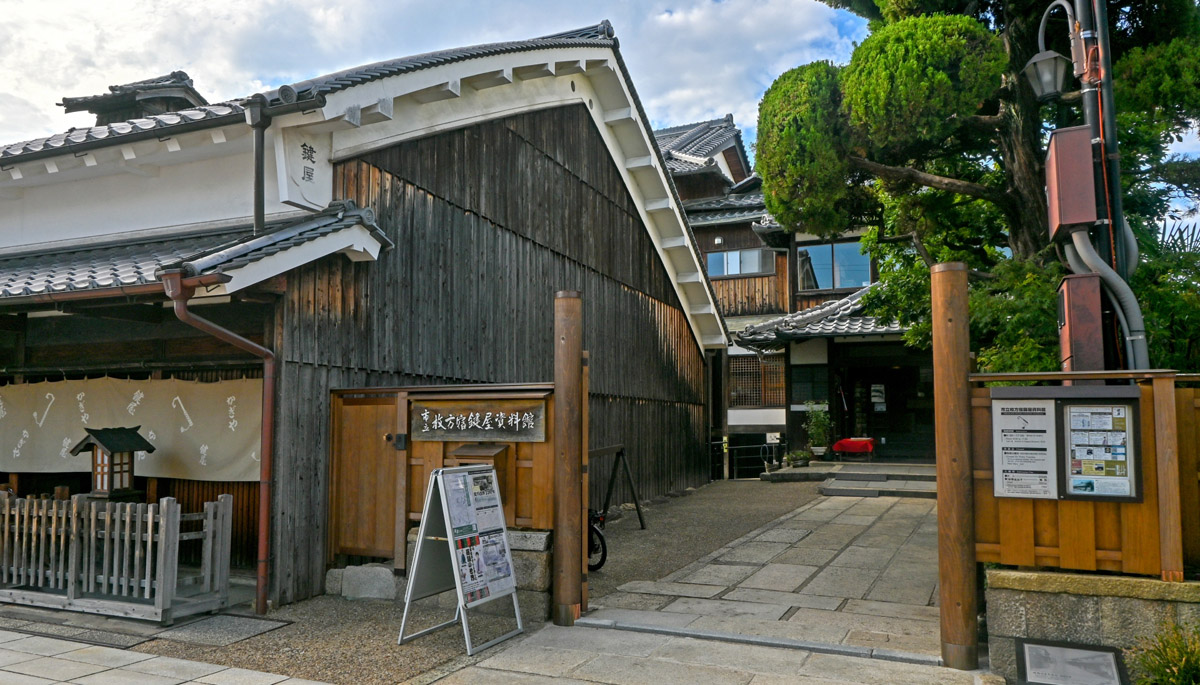
Across Japan, there are traditional houses that visitors can tour. Machiya museums, preserved historic districts, open-air folk house museums, World Heritage villages, and old houses open to the public all offer opportunities to experience traditional architecture.
In Kyoto, visitors can experience urban traditional housing through machiya used as shops, inns, and museums. In Kanazawa’s teahouse districts and the old streets of Hida Takayama, you can also see machiya exteriors and interior spaces.
In Shirakawa-go and Gokayama, visitors can walk through gassho-zukuri villages and see traditional houses of the snow country. In houses open to the public, features such as the irori, attic, and everyday tools help visitors understand how people once lived.
When visiting, try not only to look at the buildings themselves, but also to imagine who lived there and what kind of work they did. This will help you understand the meaning of traditional houses more deeply.
Staying in Traditional Houses
In recent years, more machiya and old folk houses have been renovated into lodging facilities. Machiya inns, kominka stays, and gassho-zukuri lodgings allow visitors to experience the building itself.
Staying in a traditional house is not simply about sleeping in a room. It is a chance to feel the building’s structure, materials, sounds, light, and relationship with the garden. The sound of walking on wooden floors, light entering through shoji, the feel of tatami, and views of the garden create an atmosphere different from that of a modern hotel.
At the same time, because these buildings make use of old structures, staircases may be steep, sound may carry easily, and heating or cooling may work differently from a modern hotel. Many traditional buildings also have steps and uneven floors, so it is important to be careful with large luggage and while walking.
When choosing to stay in a traditional house, it is best to enjoy not only the convenience of the facilities, but also the experience of staying in an old building itself.
Manners When Visiting Traditional Houses
When visiting traditional houses, it is important to remember that some buildings are cultural properties, and some are located in areas where people still live.
Preserved districts and gassho-zukuri villages may be tourist destinations, but they are also places where residents live. Do not enter private property, do not photograph entrances or the inside of windows without permission, and avoid speaking loudly.
When touring the inside of a building, follow the signs and remove your shoes where required. Tatami, pillars, fusuma, shoji, and old furniture can be easily damaged, so avoid touching them unnecessarily.
Large bags and backpacks may hit walls or shoji and cause damage. In narrow corridors and old interiors, pay attention to the position of your luggage.
In houses with thatched roofs, fire safety is especially important. Avoid smoking or using fire outside designated areas, and always follow local rules.
Traditional houses are not only subjects for photographs. They are important spaces that convey people’s lives and local memory. Visiting with respect allows you to appreciate their charm more deeply.
What Traditional Houses Reveal About Japanese Culture
Machiya and gassho-zukuri are both traditional Japanese houses, but they convey different forms of wisdom about daily life.
Machiya contain the ingenuity needed to combine business and home life on limited urban land. Features such as latticework, tsuboniwa, and toriniwa reveal ideas about connecting outside and inside, work and life, and people and nature. Their narrow frontage and deep layout also show a history of adapting to urban systems and land use.
Gassho-zukuri houses contain the wisdom needed to live in snow country. Their steep roofs, spacious attics, irori hearths, and thatched-roof maintenance reflect a history of facing the natural environment while living through the support of family and community. Communal systems such as yui helped not only preserve the buildings, but also support the community itself.
Traditional Japanese houses are not merely old buildings. They are architecture for living, where the natural environment, work, family, and local community are closely connected.
When traveling in Japan, if you encounter machiya or gassho-zukuri houses, look not only at the beauty of their appearance, but also at the lives they once supported. Within them remain deep forms of wisdom about Japanese homes and everyday culture.