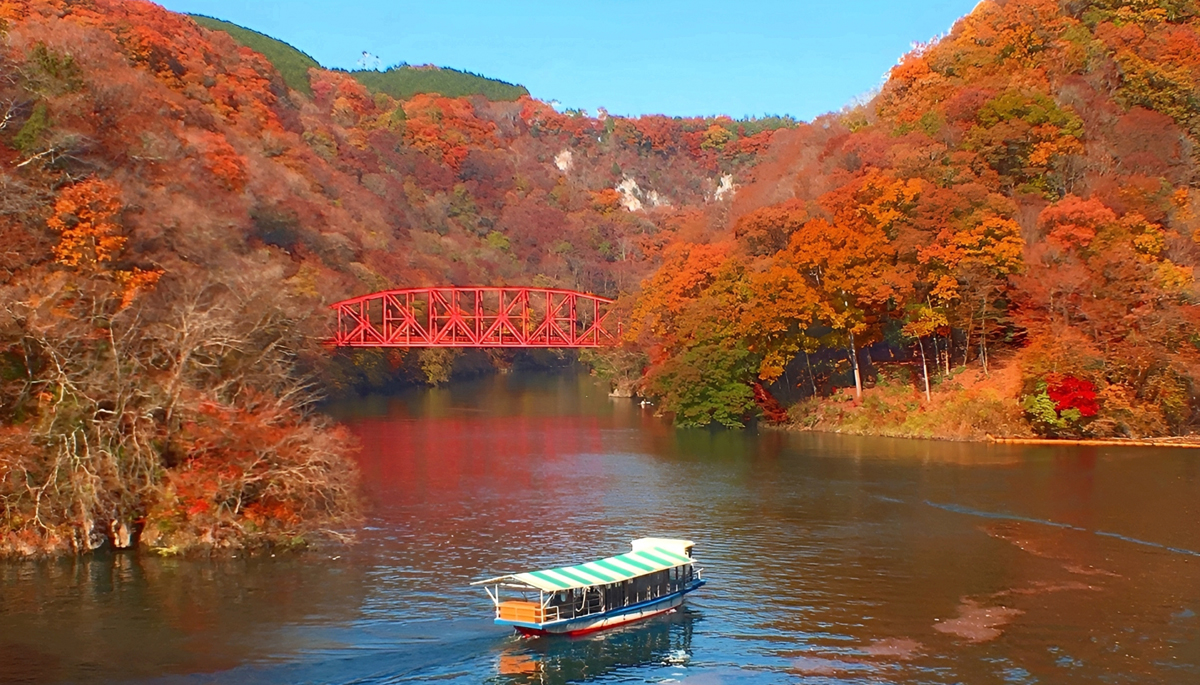
The Kyushu and Okinawa regions spread across the southern part of Japan and offer a rich variety of natural scenery, including volcanoes, primeval forests, valleys, coastlines, and subtropical islands.
Powerful volcanic landscapes and beautiful southern seas exist side by side, creating unforgettable experiences for visitors.
Here are some of the region’s representative natural spots.
Kyushu Area
Fukuoka Prefecture
Hiraodai
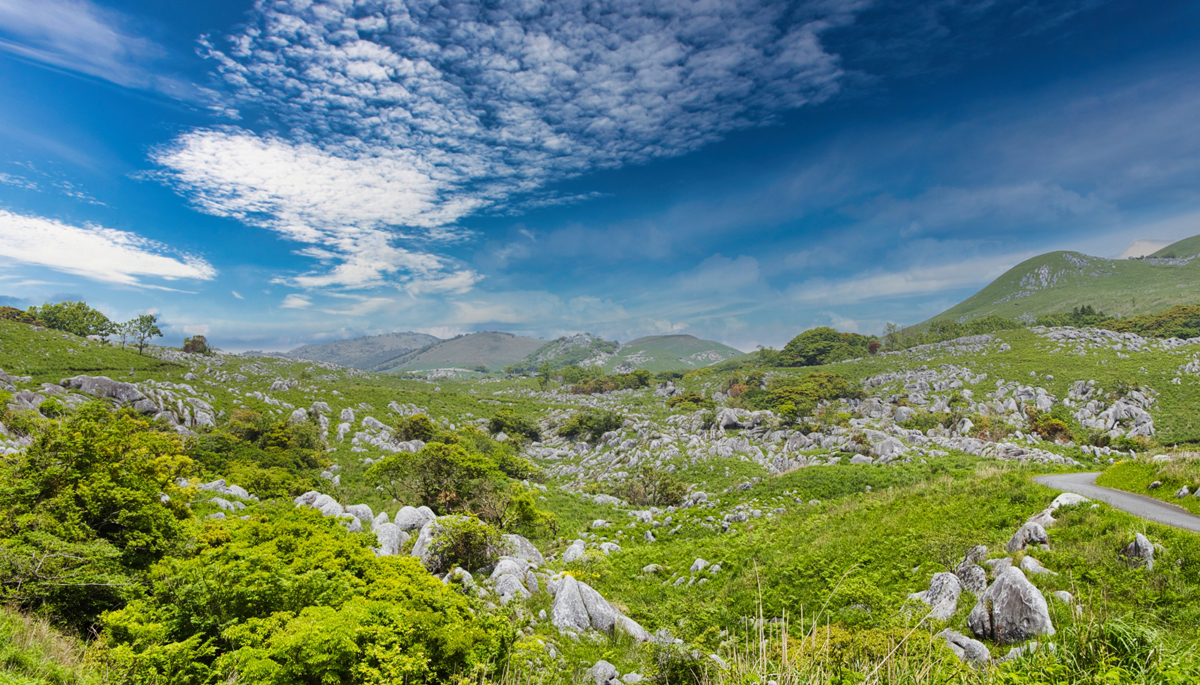
Hiraodai is one of Japan’s three major karst landscapes.
Its limestone formations create a unique scenery known as Yogunbara, or “the sheep group plain.”
There are also limestone caves underground.
Saga Prefecture
Niji-no-Matsubara
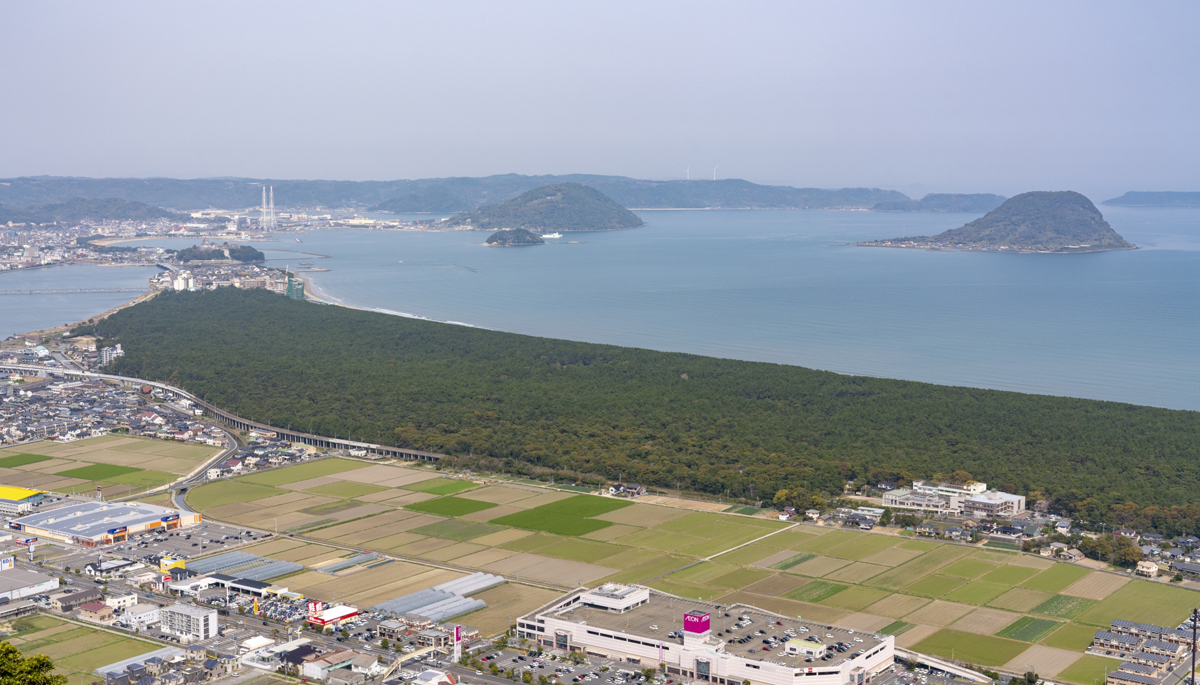
Niji-no-Matsubara is a pine forest stretching for about five kilometers along Karatsu Bay.
It is counted as one of Japan’s three great pine groves.
The contrast of the blue sea and green pine trees creates a refreshing landscape.
Nagasaki Prefecture
Unzen Jigoku
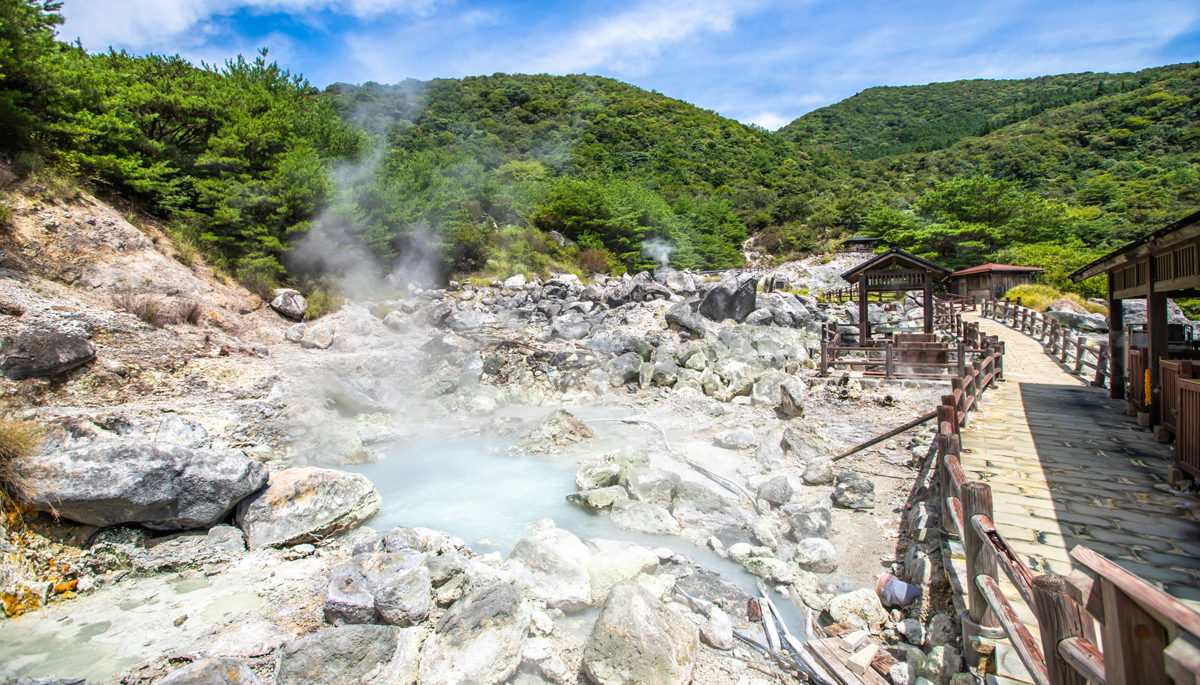
Unzen Jigoku is a volcanic area filled with the smell of sulfur and rising steam.
It is the source of Unzen hot springs, and visitors can feel the power of geothermal activity up close.
Kujukushima
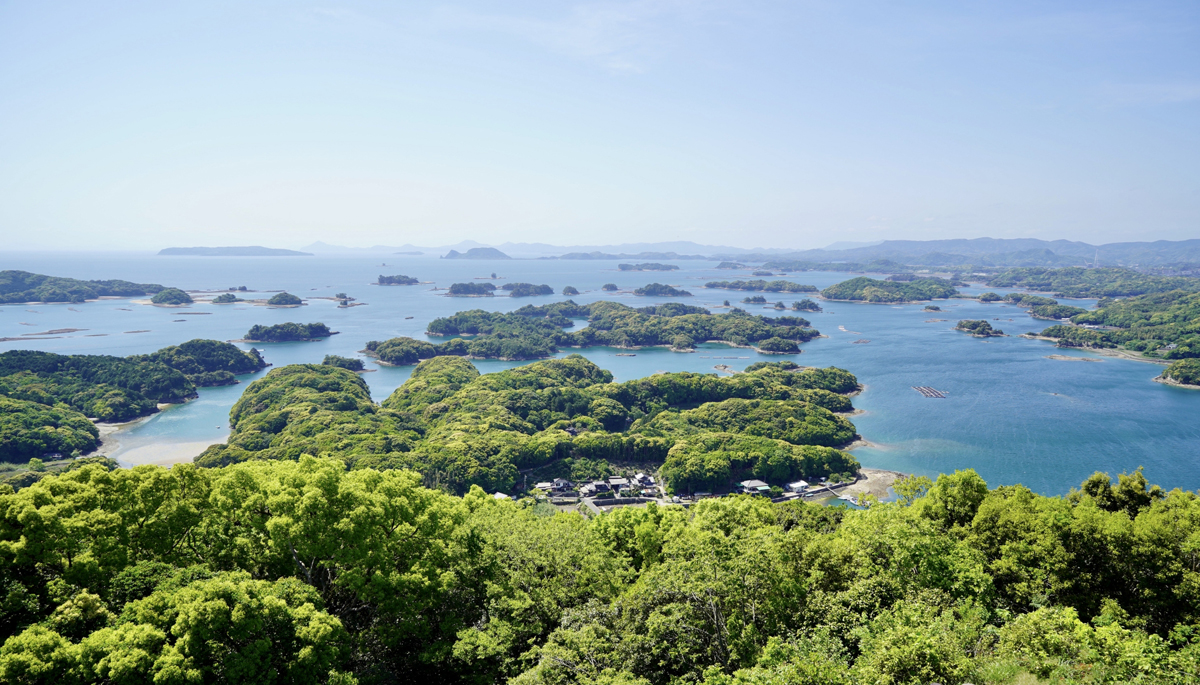
Kujukushima is a ria coastline with more than 200 small islands scattered across the sea.
Views from the observation decks and sightseeing cruises are especially popular.
Mount Inasa
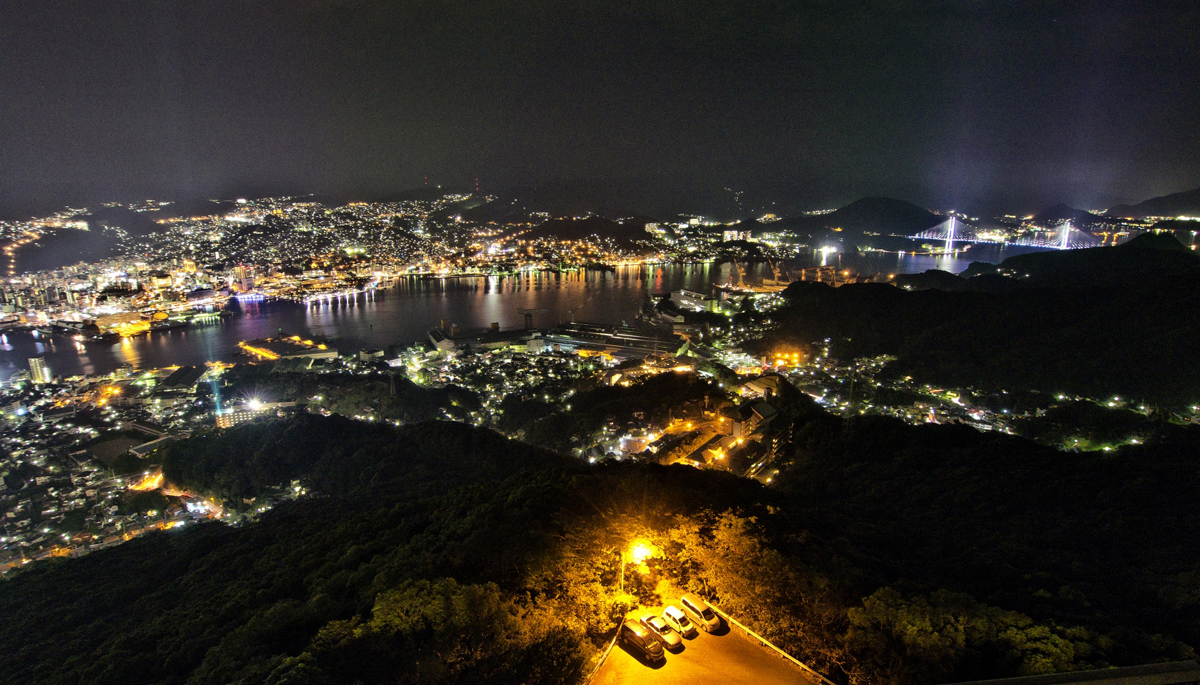
From this 333-meter mountain, visitors can enjoy wide views of Nagasaki City and its harbor.
Its night view is counted among the “three best night views in the world.”
Kumamoto Prefecture
Mount Aso
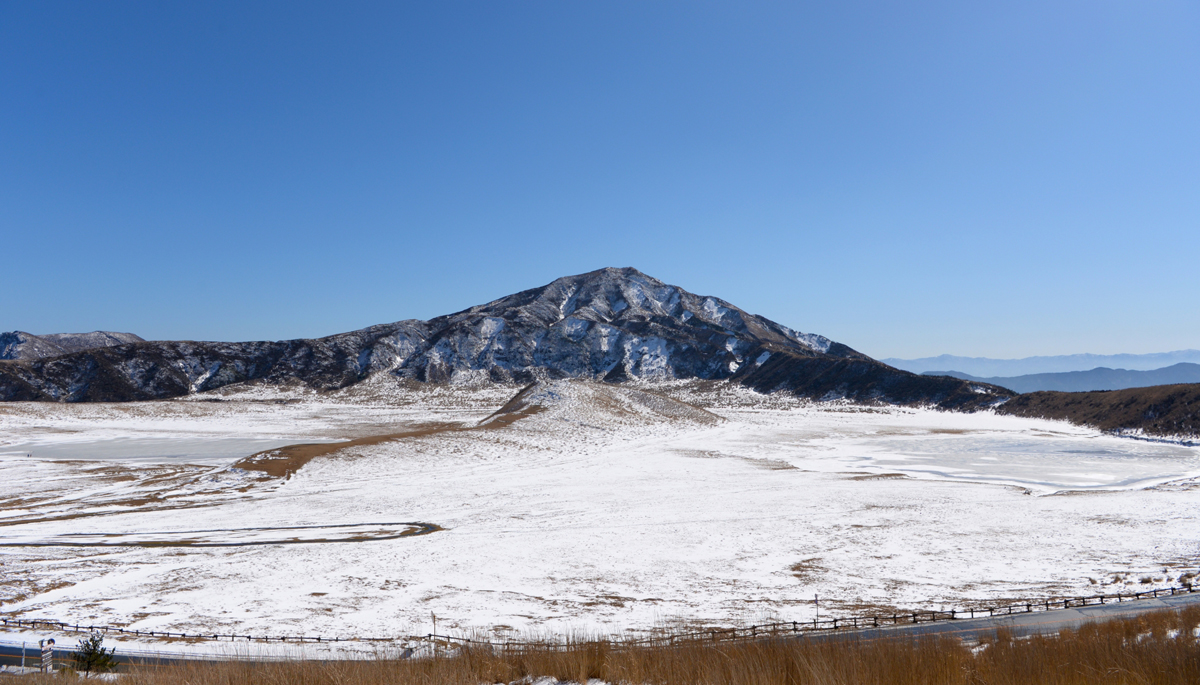
Mount Aso is an active volcano with one of the world’s largest calderas.
The smoking crater of Nakadake and the vast outer rim mountains create an overwhelming landscape.
Kusasenri
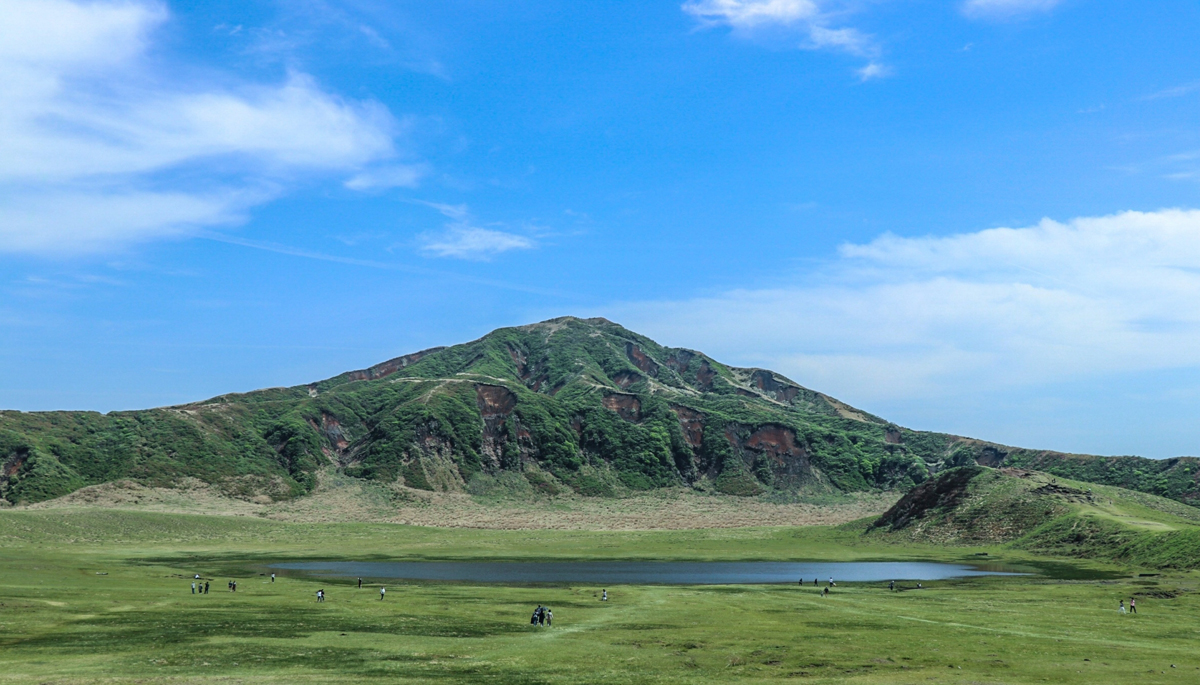
Kusasenri is a wide grassland near the crater area of Mount Aso.
The scenery of grazing horses and volcanic mountains creates a grand and peaceful view.
Komezuka
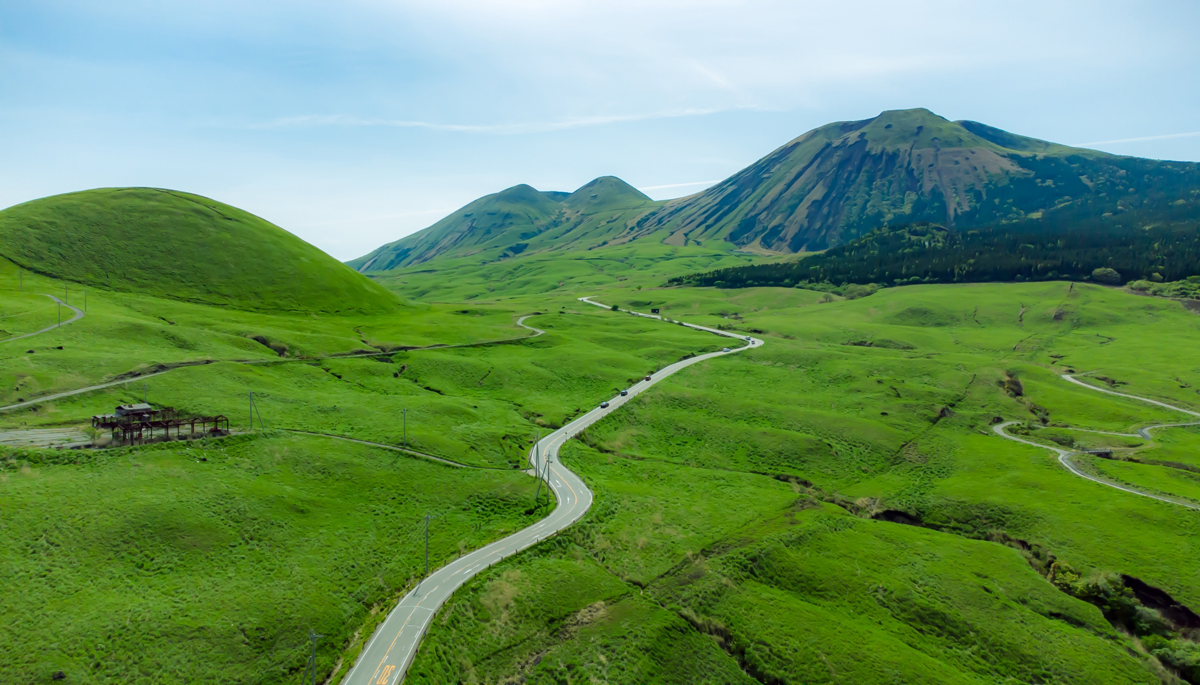
Komezuka is a small cone-shaped volcano covered with grass.
Because of its shape, it is sometimes called the “rice ball mountain.”
It is one of the most well-known views in the Aso area.
Oita Prefecture
Yabakei
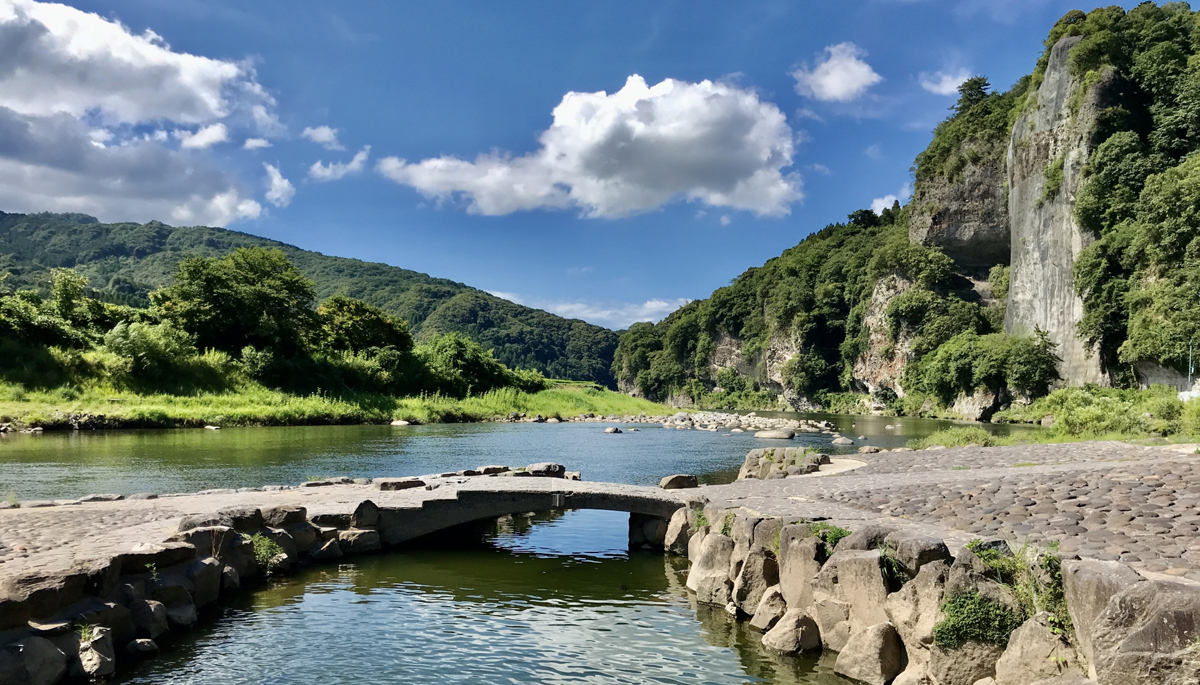
Yabakei is famous for its beautiful valley scenery, filled with unusual rocks and steep cliffs.
It is counted as one of Japan’s three great scenic wonders and is also well known for its autumn leaves.
Harajiri Falls
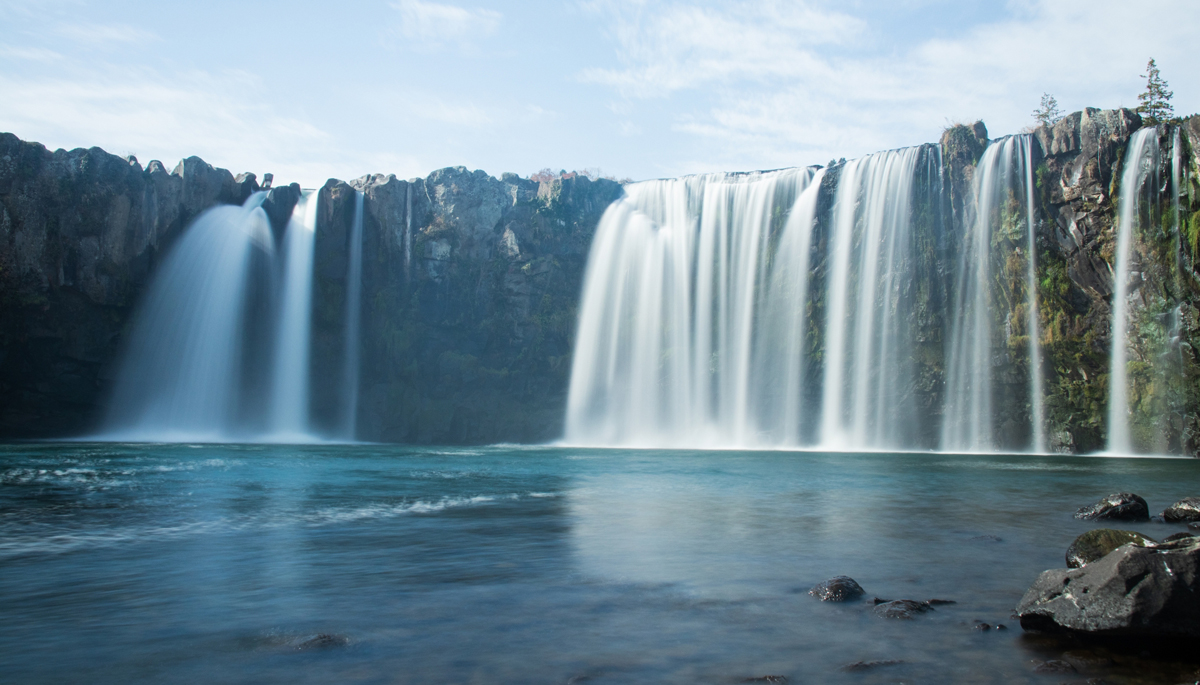
Harajiri Falls is a wide waterfall, about 120 meters across, often called the “Niagara of the East.”
The water spray and rainbows create a very beautiful sight.
Rokugo Manzan
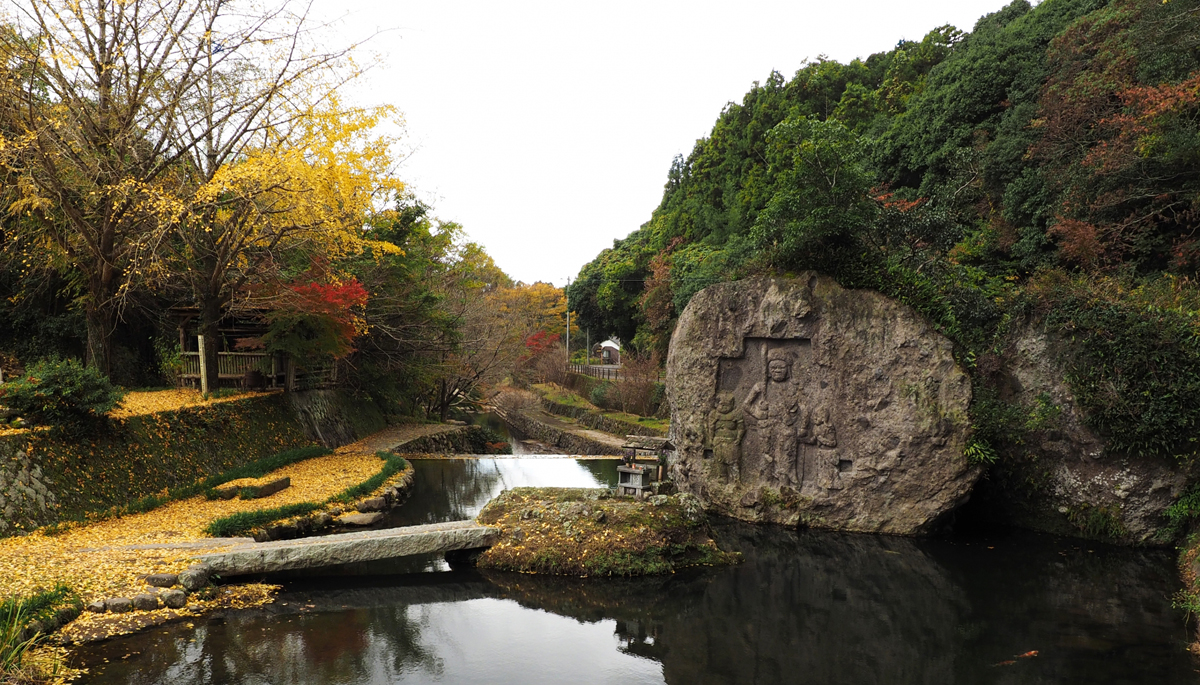
Rokugo Manzan is a mountainous area on the Kunisaki Peninsula.
It has been an important place of mountain worship since ancient times, where nature and history exist together.
Miyazaki Prefecture
Takachiho Gorge
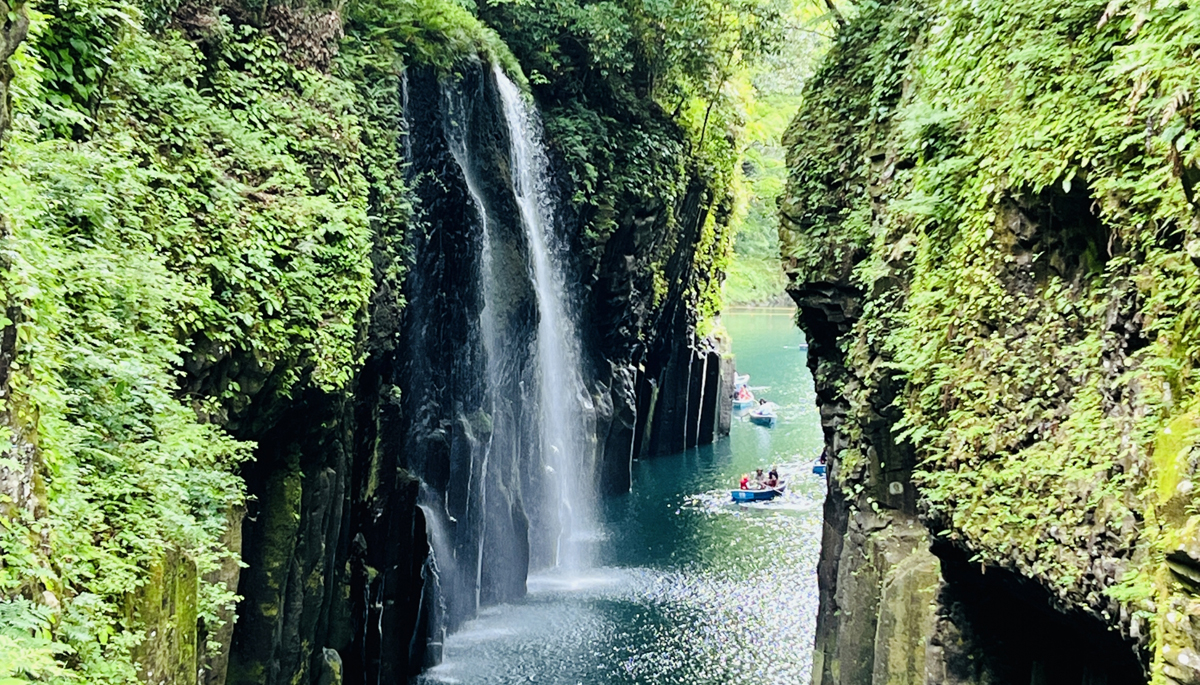
Takachiho Gorge is a valley with dramatic cliffs of columnar rock formations.
Manai Falls flows into the gorge, and the area is also famous as a setting of Japanese mythology.
Takachiho
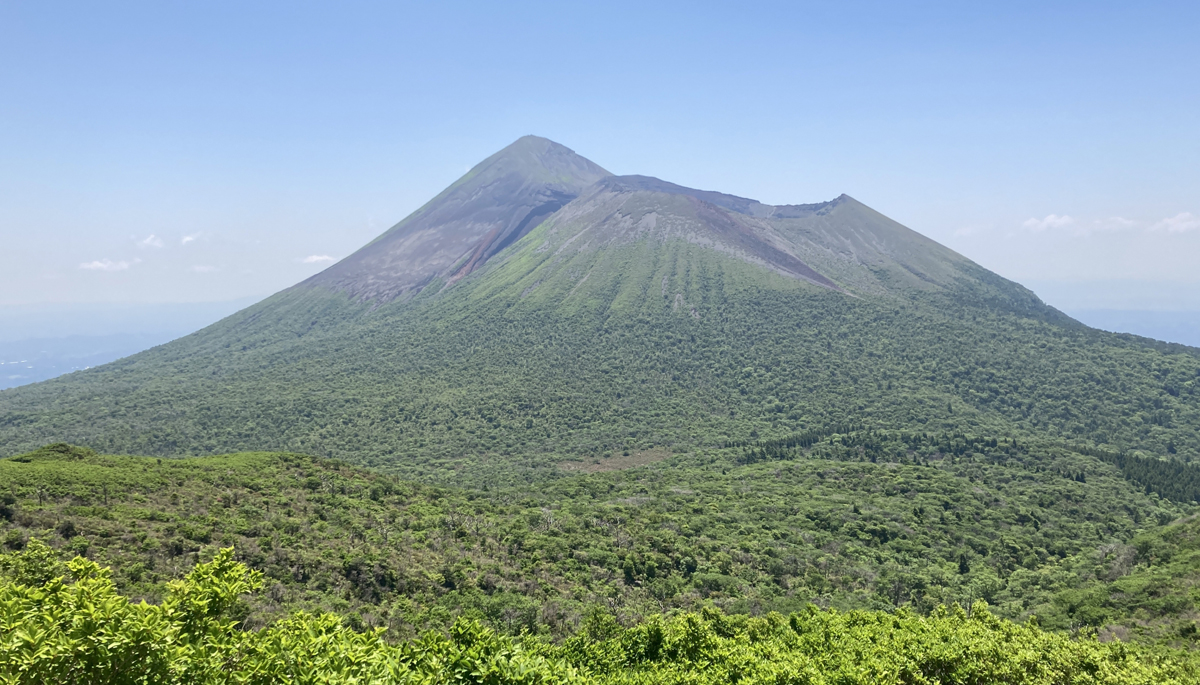
Takachiho is known as the land of the myth of the descent of the heavenly grandson.
Its terraced rice fields and mountain village scenery give visitors a sense of traditional Japan.
Kunimigaoka
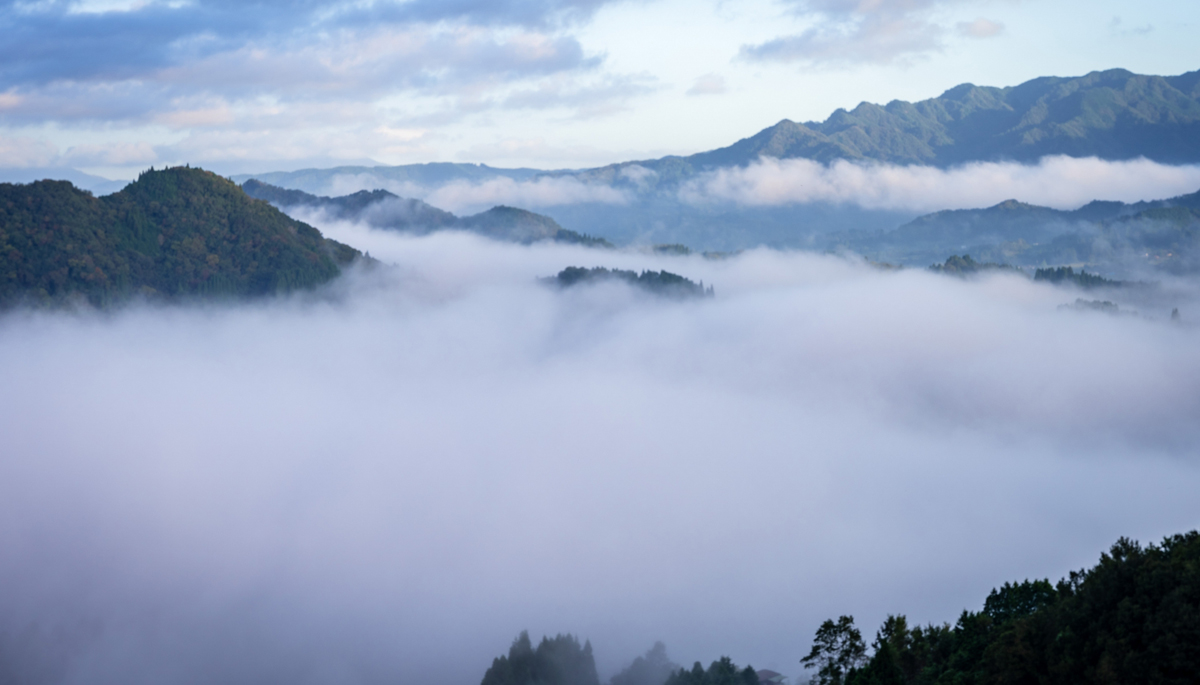
Kunimigaoka is famous for its sea of clouds.
If you visit early in the morning, you may see a magical view of clouds covering the valleys.
Horikiri Pass
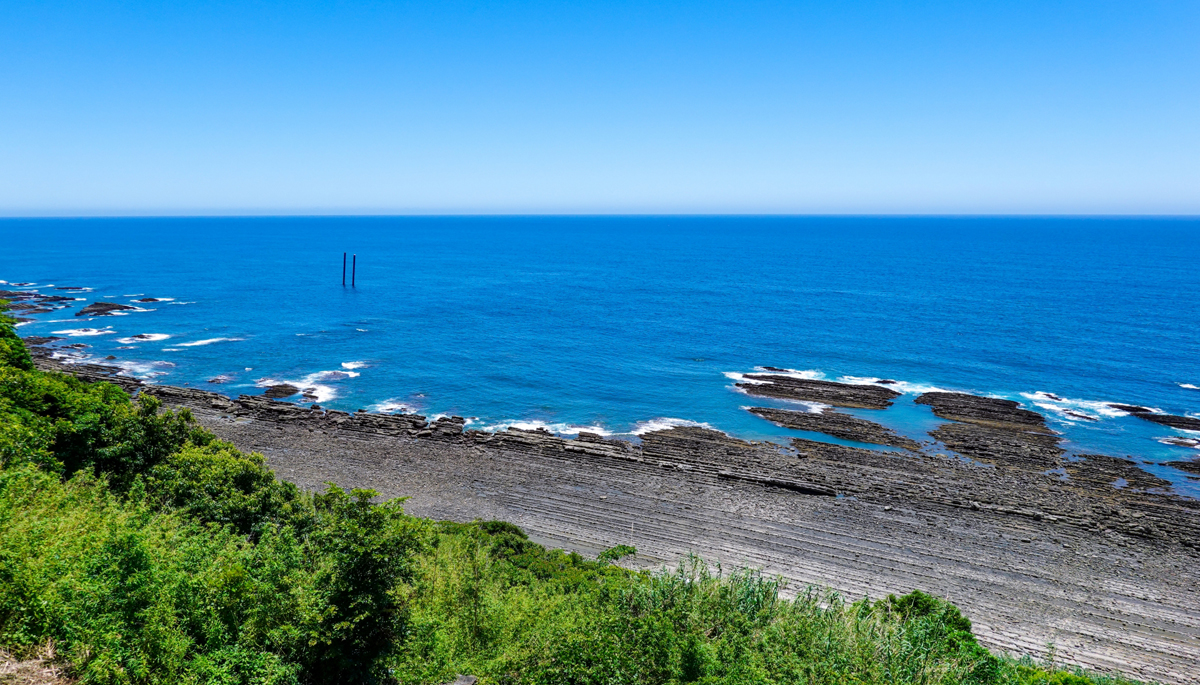
Horikiri Pass offers panoramic views of the Nichinan Coast.
Palm trees and the blue sea create a tropical atmosphere.
Crus Sea
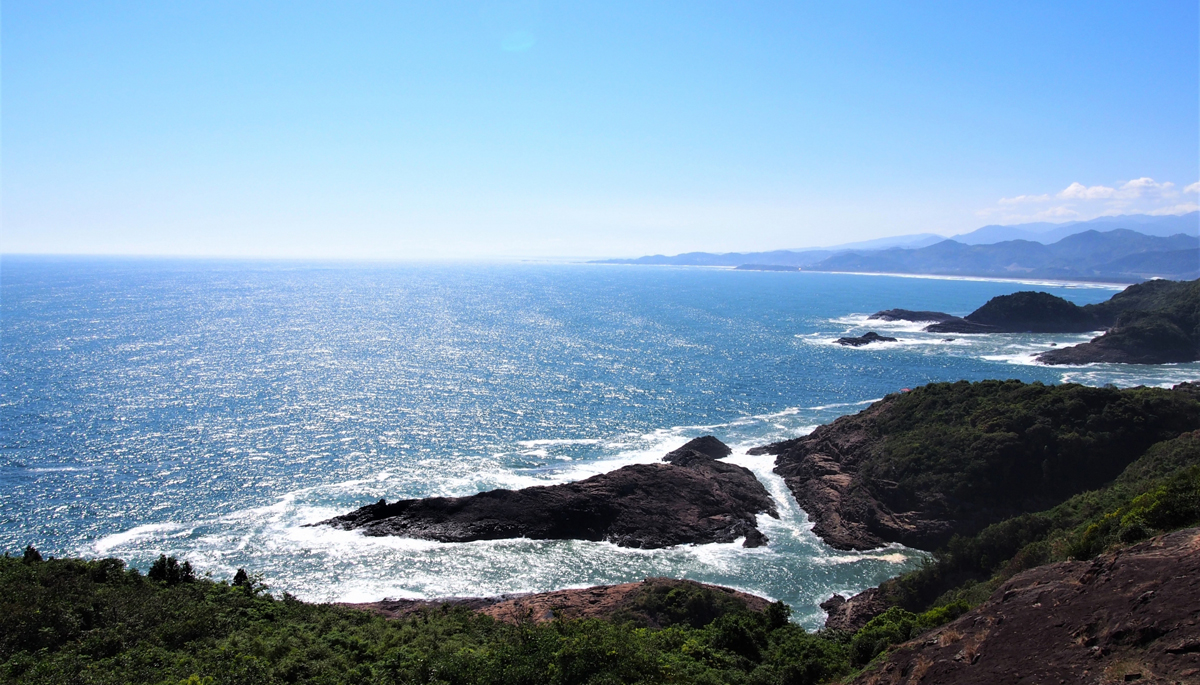
This coastal inlet is called Crus Sea because its shape looks like the Japanese character meaning “wish granted.”
It is a popular place for couples and visitors.
Kagoshima Prefecture
Sakurajima
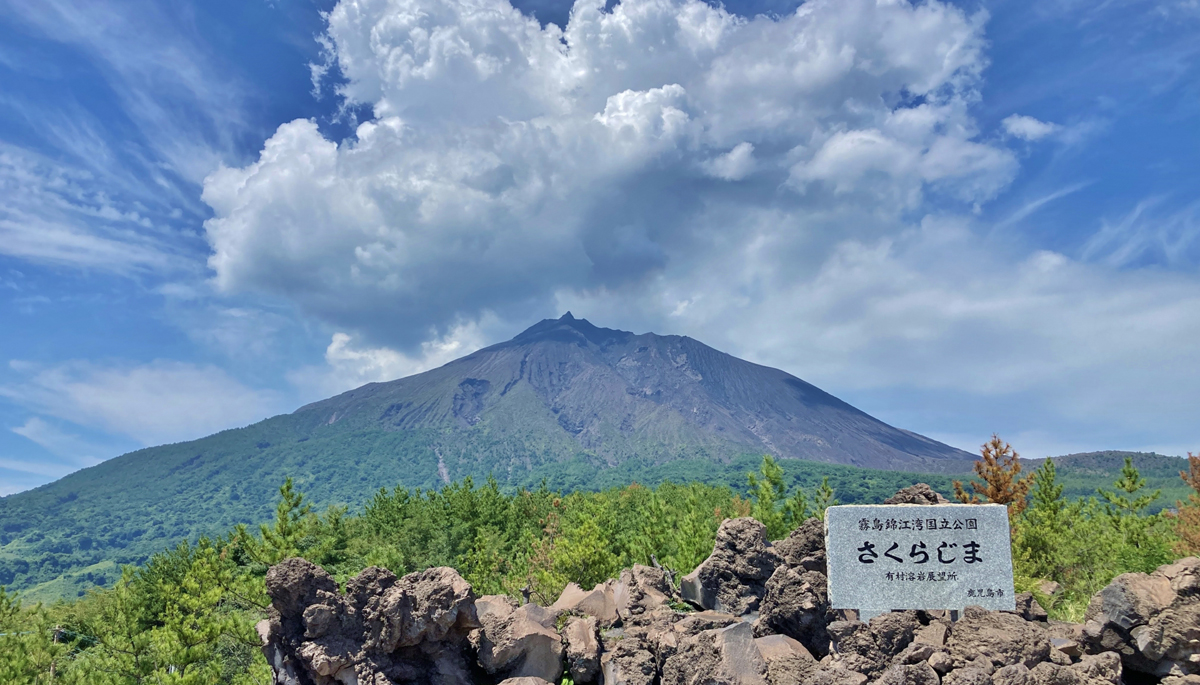
Sakurajima is an active volcano that can be seen from Kagoshima City.
Its powerful shape and rising smoke make it a symbol of the region.
Kirishima
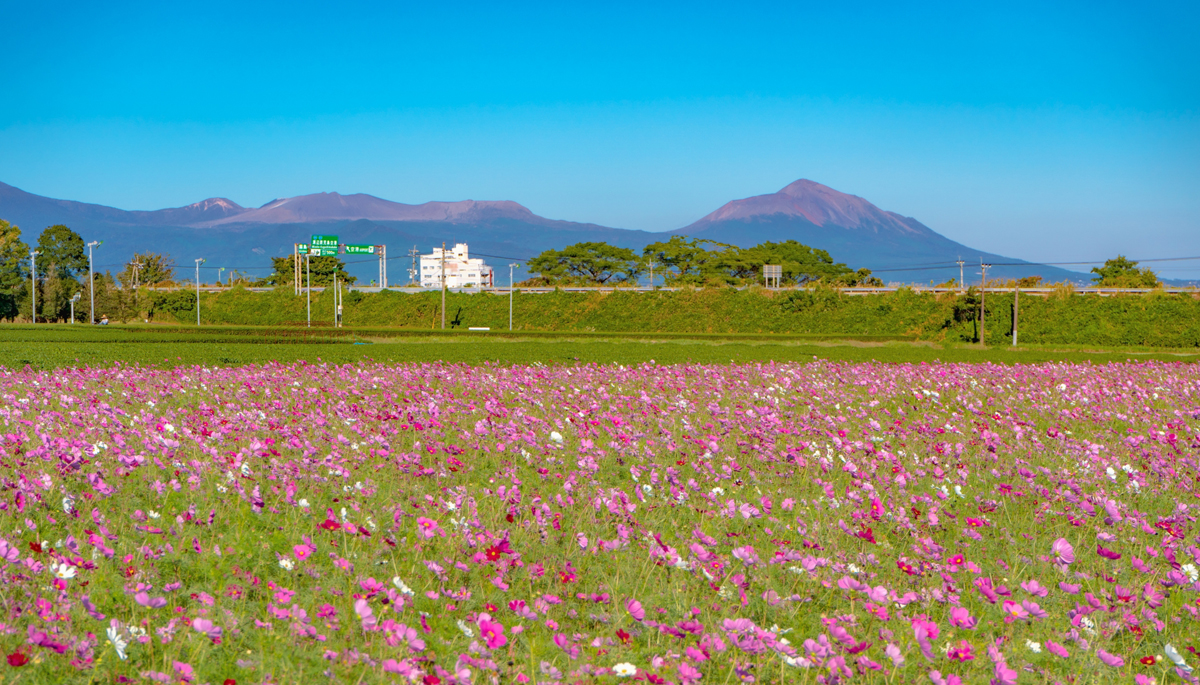
Kirishima is a volcanic area spread across the Kirishima mountain range.
It is known for hot springs, hiking trails, and stories from Japanese mythology.
Yakushima
Yakushima is an island registered as a UNESCO World Natural Heritage site.
It is famous for ancient cedar forests, including the Jomon Sugi tree, and for its rich ecosystem.
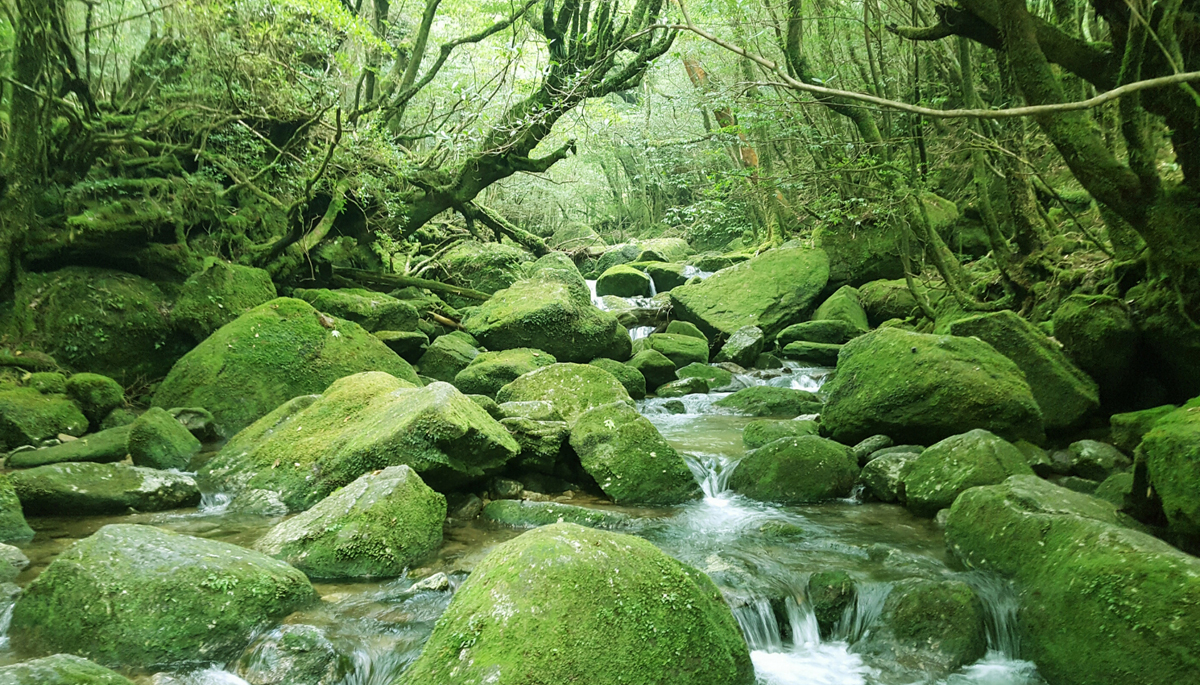
Shiratani Unsuikyo
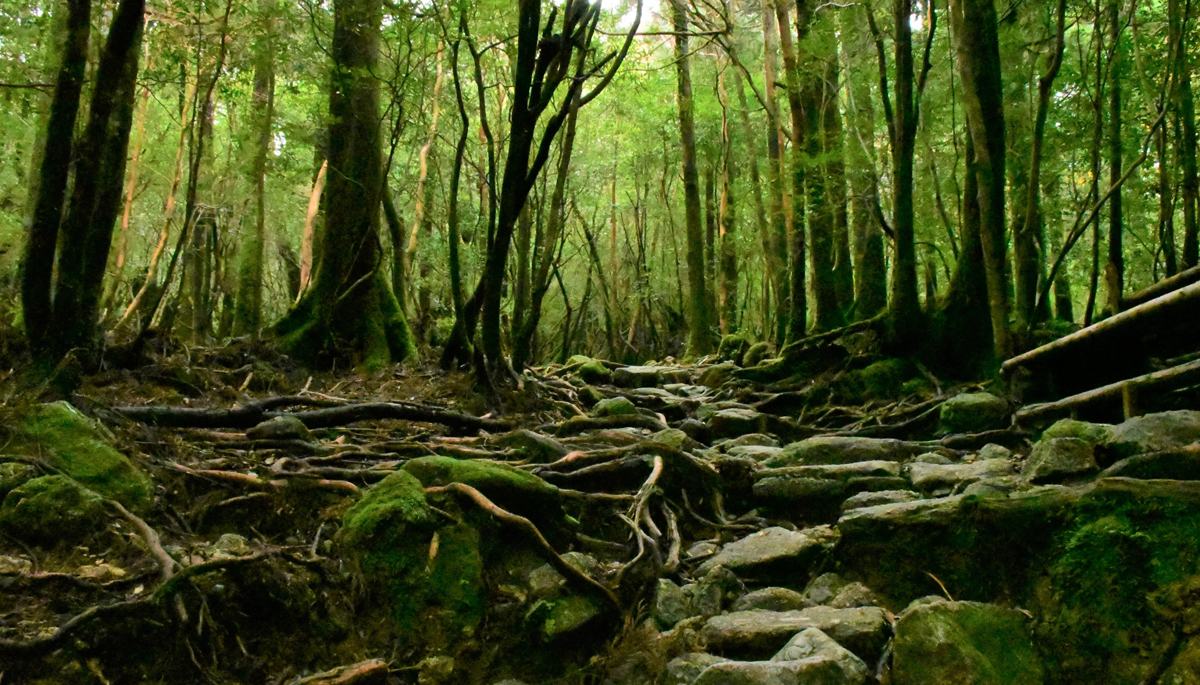
Shiratani Unsuikyo is a moss-covered forest on Yakushima.
Its mysterious scenery is said to have inspired the film Princess Mononoke.
Kinsakubaru Primeval Forest
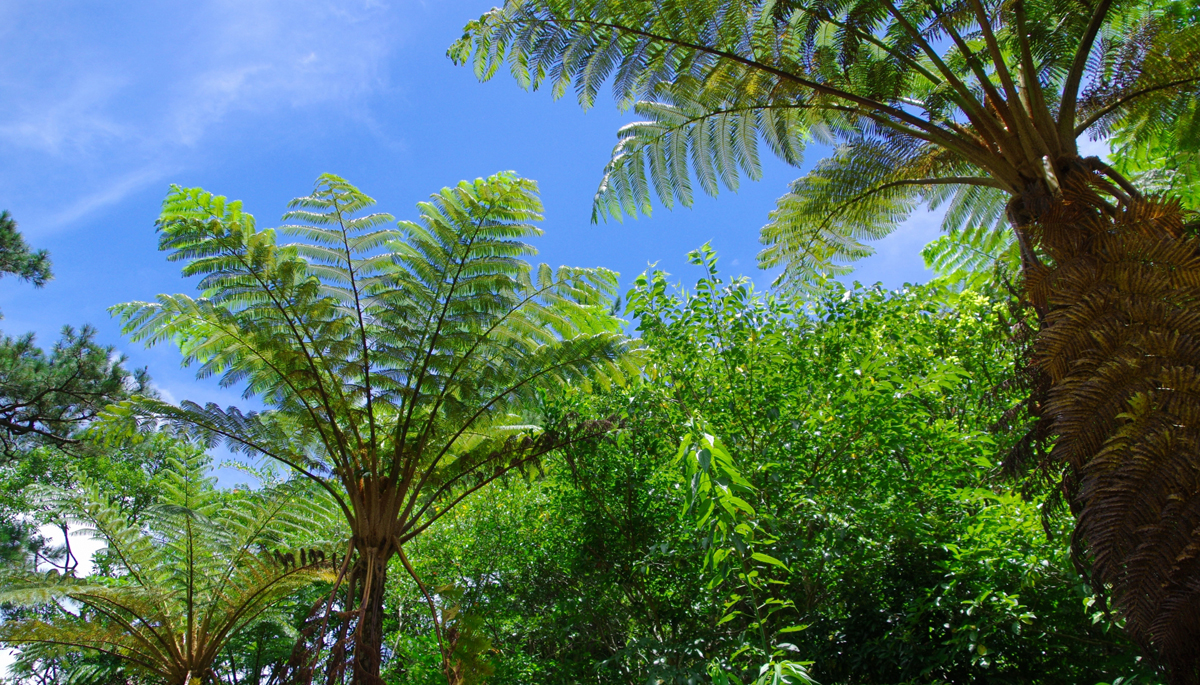
This subtropical forest on Amami Oshima is a natural treasure house.
It is home to giant ferns and many rare species.
Okinawa Area
Main Okinawa Area
Kabira Bay (Ishigaki Island)
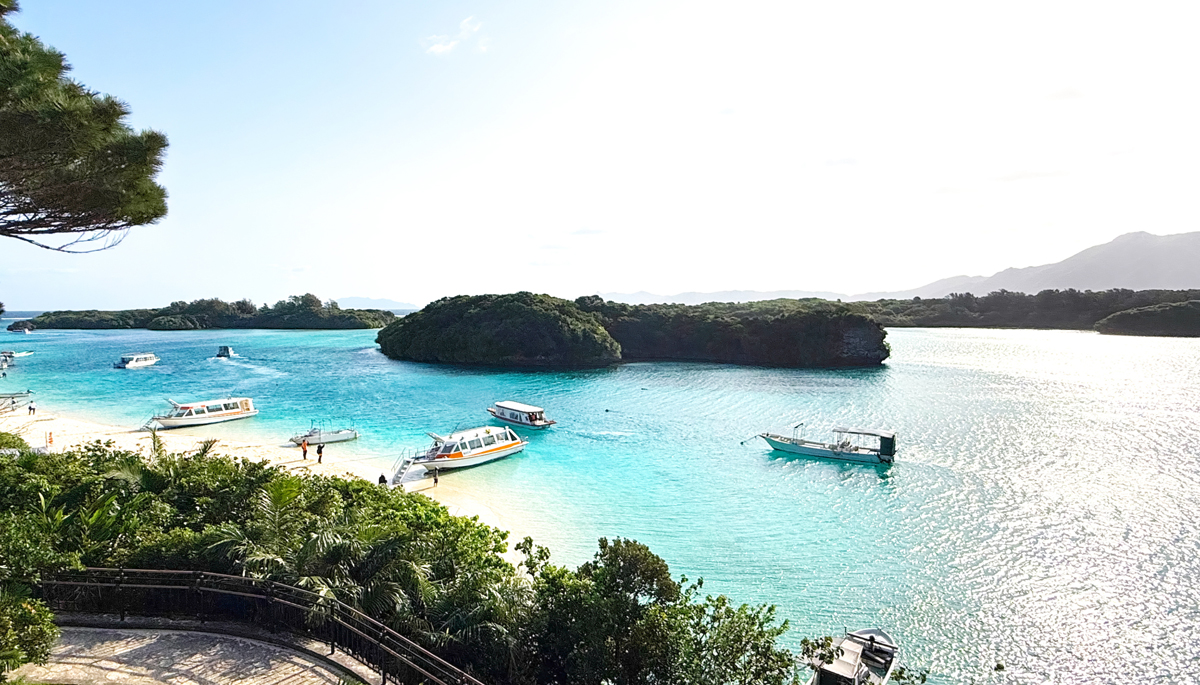
Kabira Bay is known for its beautiful contrast of emerald-green water and white sand.
Swimming is not allowed, but visitors can enjoy the underwater scenery from glass-bottom boats.
Maeda Cape
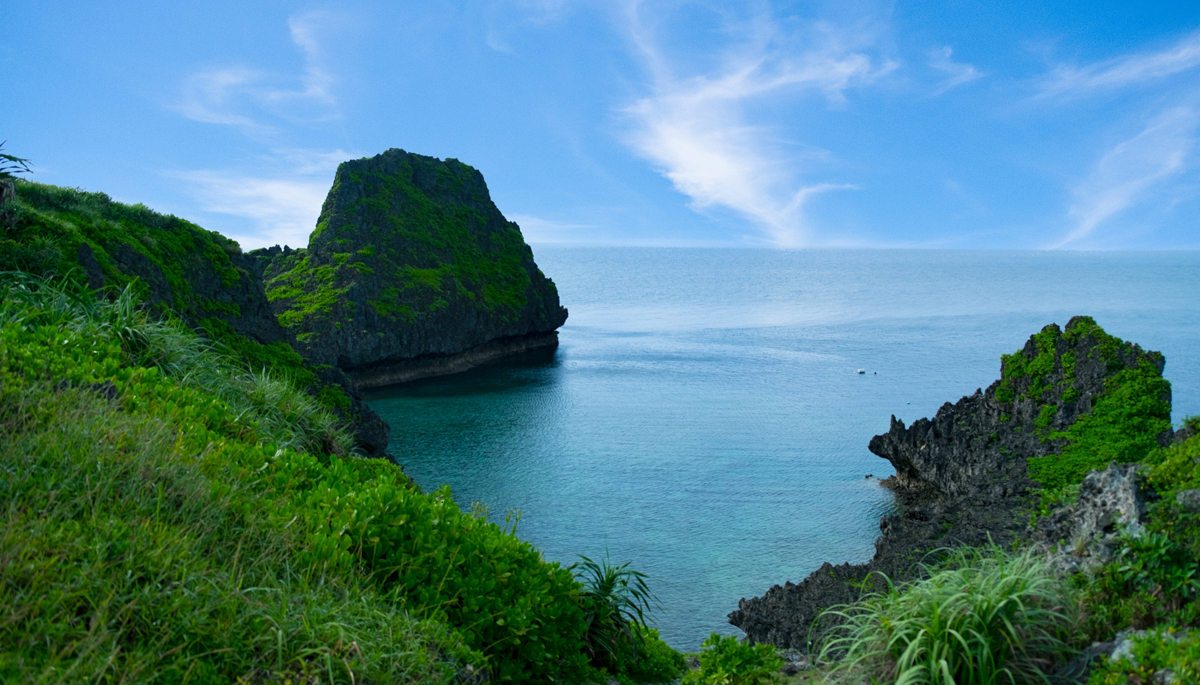
Maeda Cape is a popular diving and snorkeling spot, famous for the Blue Cave.
The sea here is known for its excellent clarity.
Manzamo
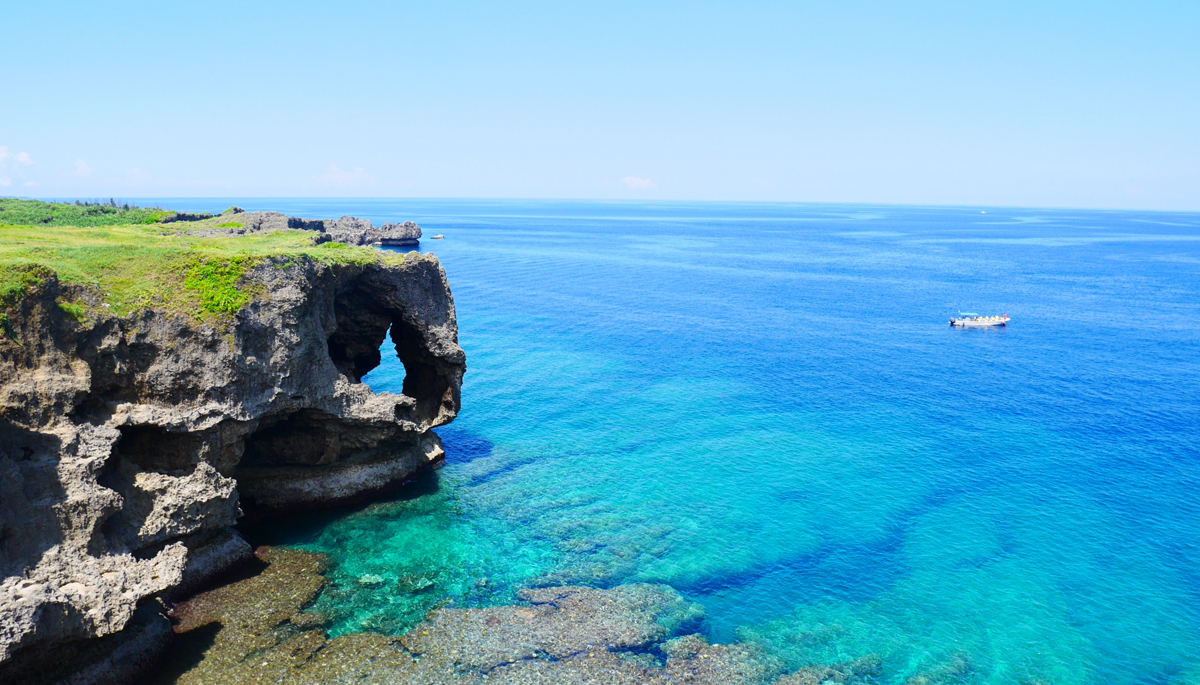
Manzamo is a dramatic cliff known for a rock formation shaped like an elephant’s trunk.
It is one of the most famous scenic spots on Okinawa Main Island.
Sefa Utaki
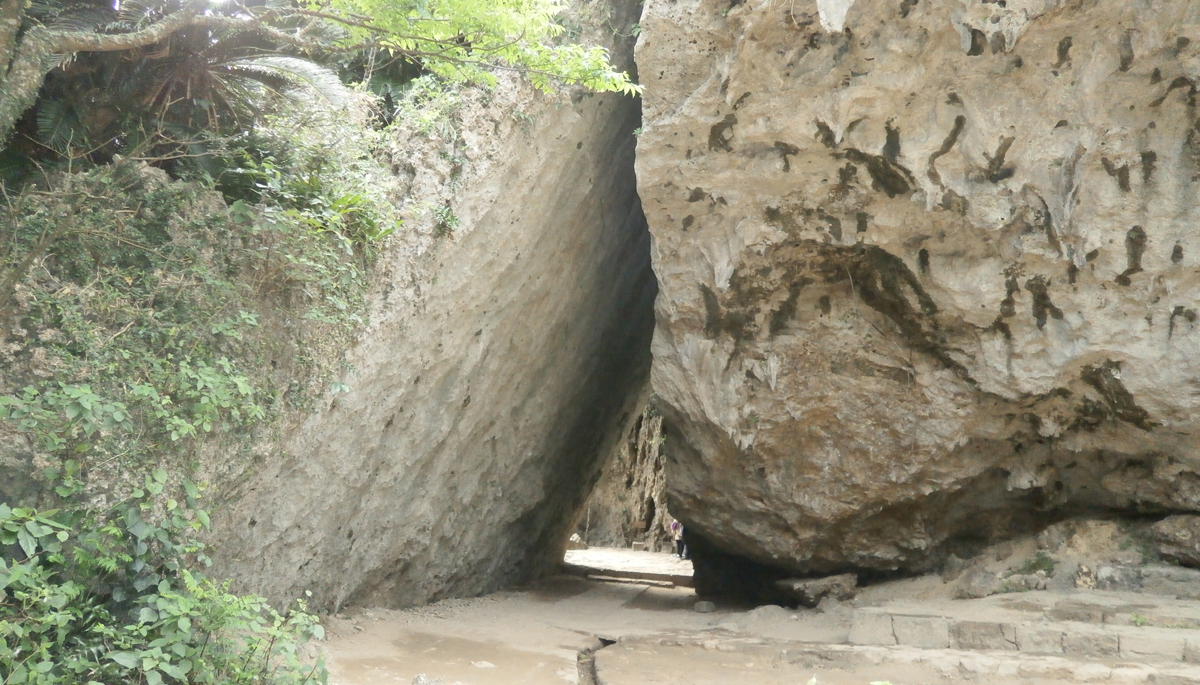
Sefa Utaki was the most sacred place of the Ryukyu Kingdom.
Huge rocks and forest create a mysterious atmosphere, and the site is also registered as a World Cultural Heritage site.
Cape Hedo
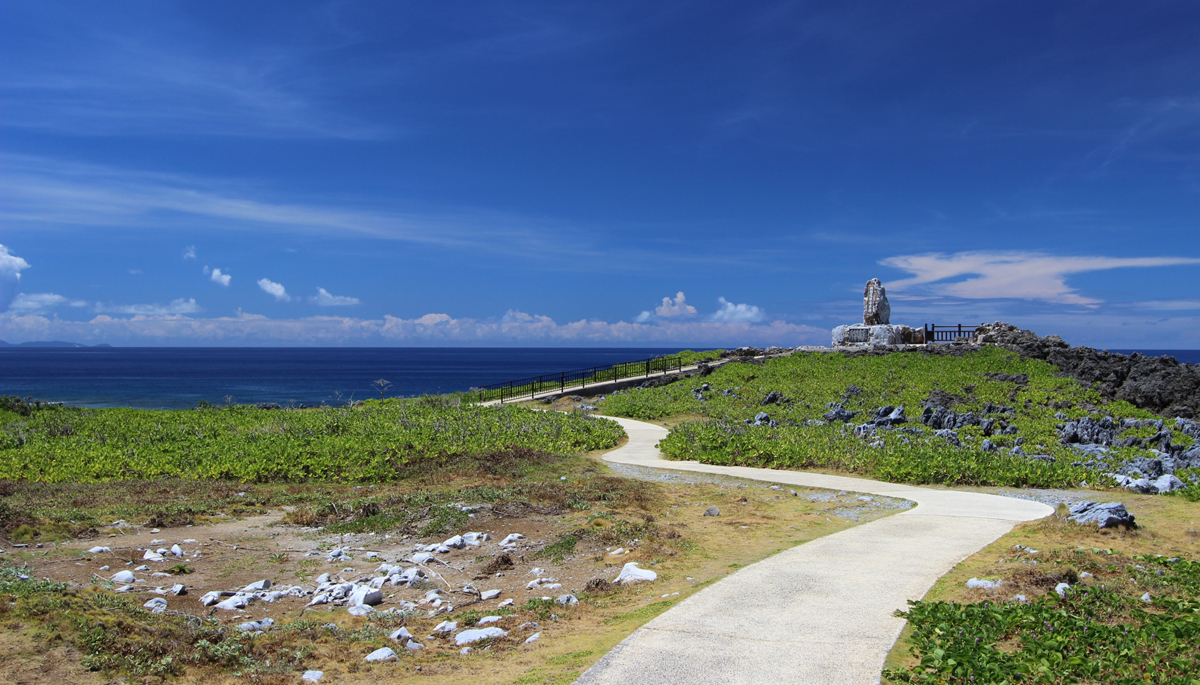
Cape Hedo is the northernmost point of Okinawa Main Island.
Visitors can enjoy wide views of the East China Sea from its steep cliffs.
Hiji Falls
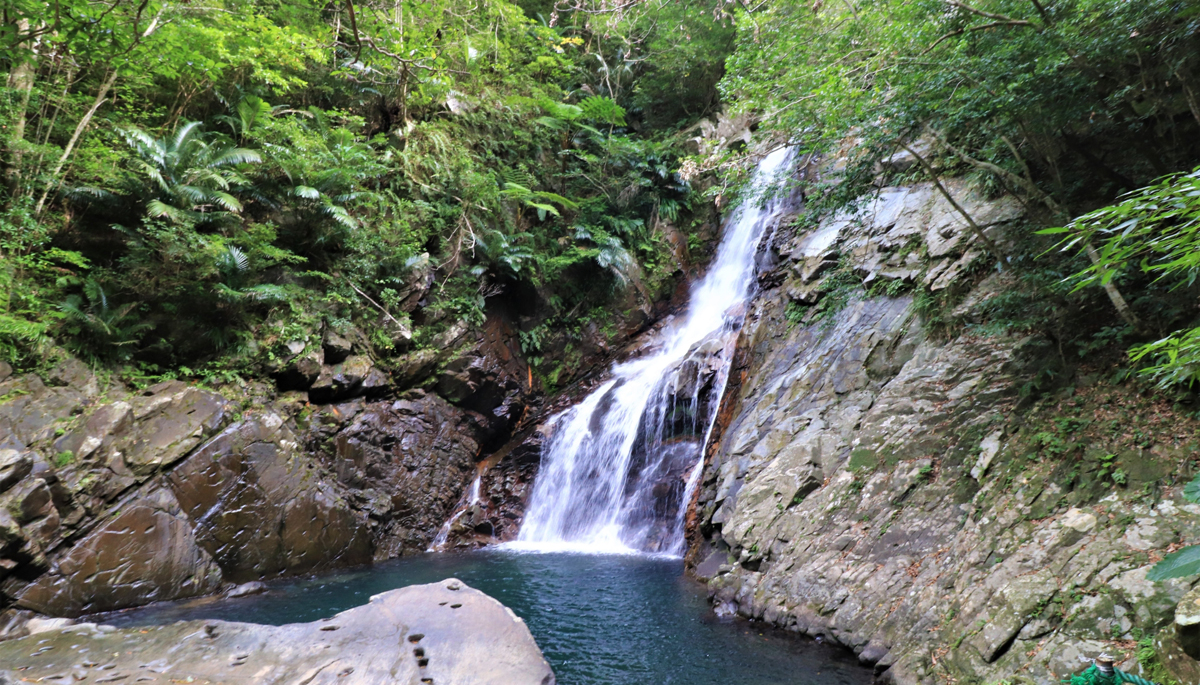
Hiji Falls is a 26-meter waterfall located in the Yambaru forest.
It is a popular hiking spot surrounded by subtropical plants.
Yaeyama Islands and Miyako Islands
Ishigaki Island
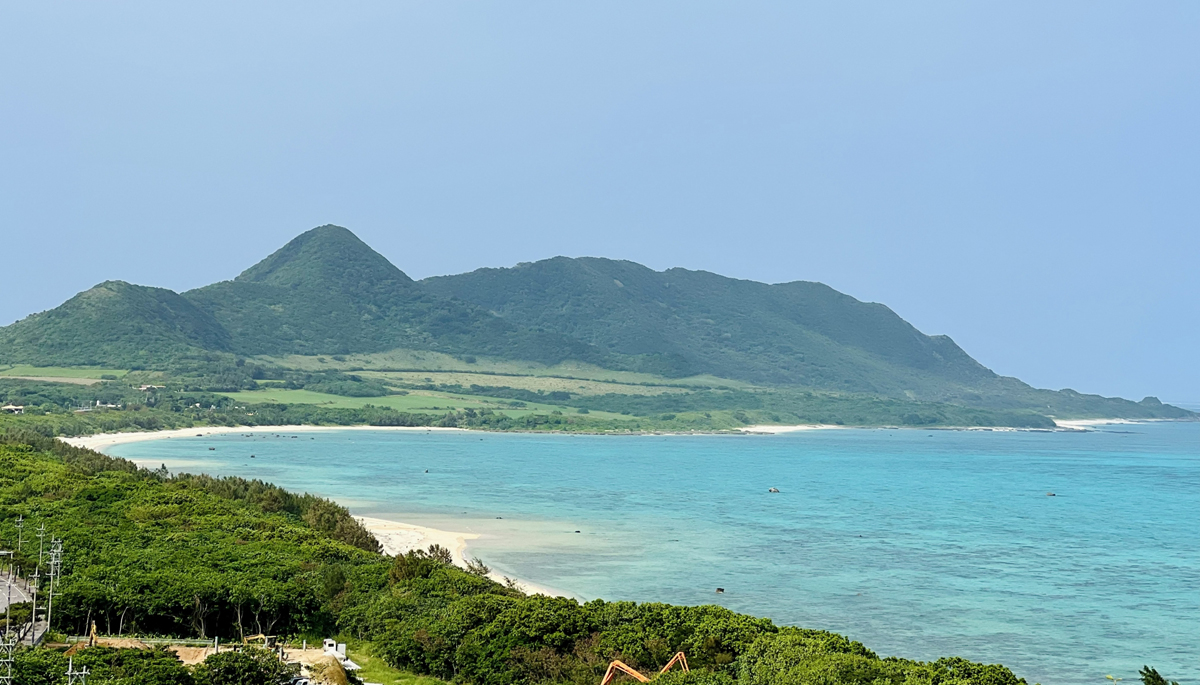
Ishigaki Island is one of the main bases for sightseeing in Okinawa.
Visitors can enjoy beautiful beaches, mangrove forests, and many kinds of natural scenery.
Iriomote Island
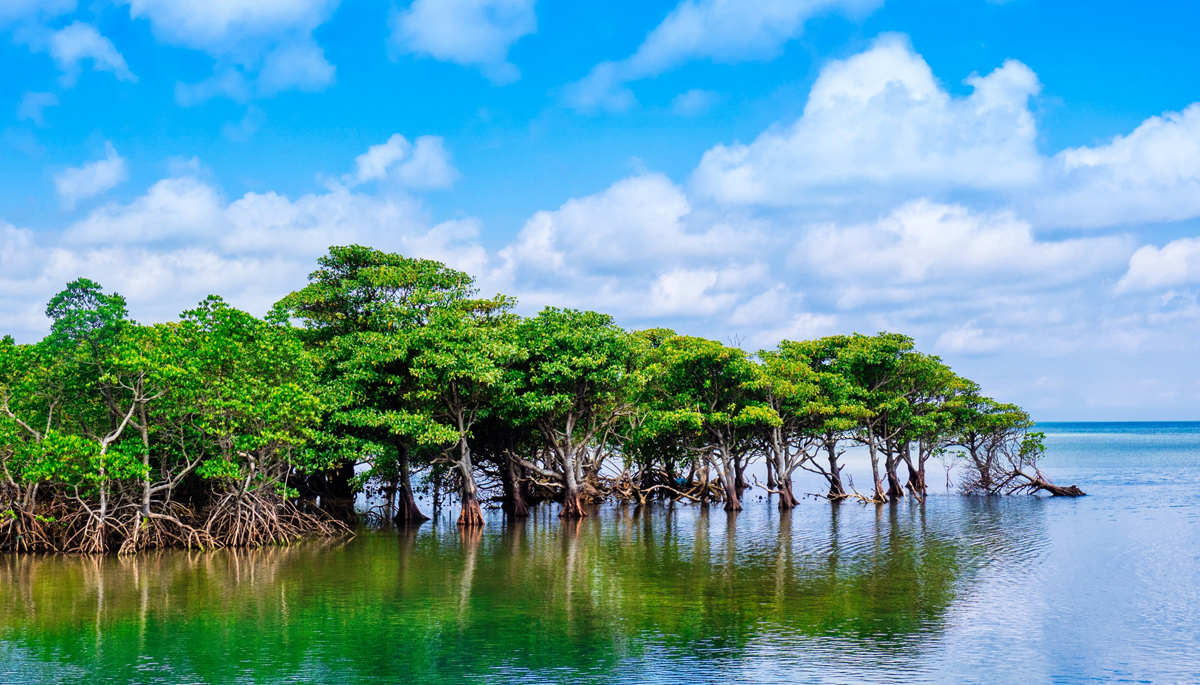
More than 90% of Iriomote Island is covered with subtropical forest.
It is home to rare wildlife such as the Iriomote cat.
Taketomi Island
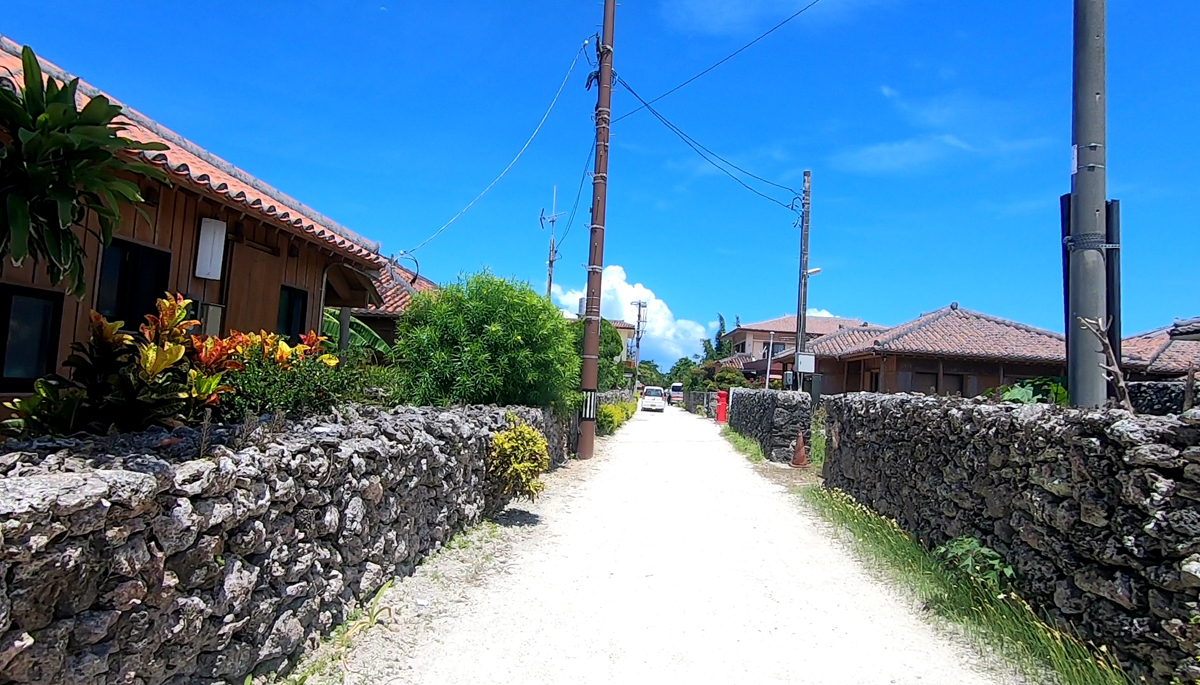
Taketomi Island is known for its traditional village with red-tiled roofs and white sand roads.
Its natural scenery and traditional culture are beautifully balanced.
Miyako Island
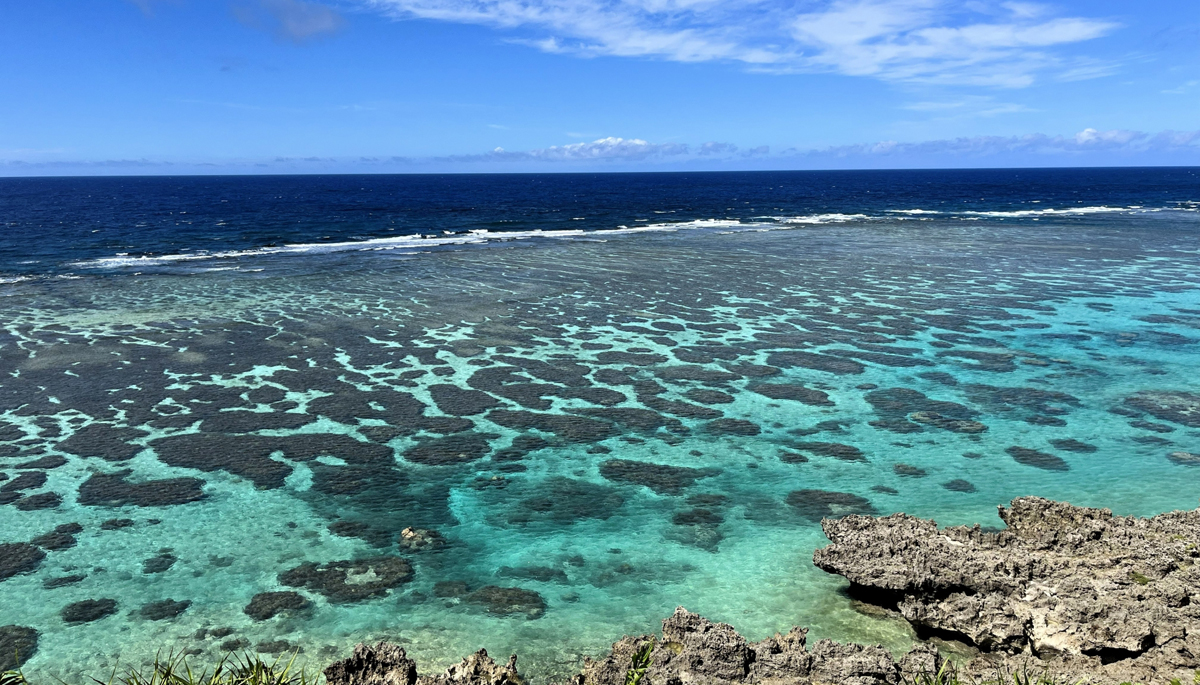
Miyako Island is a resort island surrounded by emerald-green sea.
It is especially popular for diving and beach holidays.
Kume Island
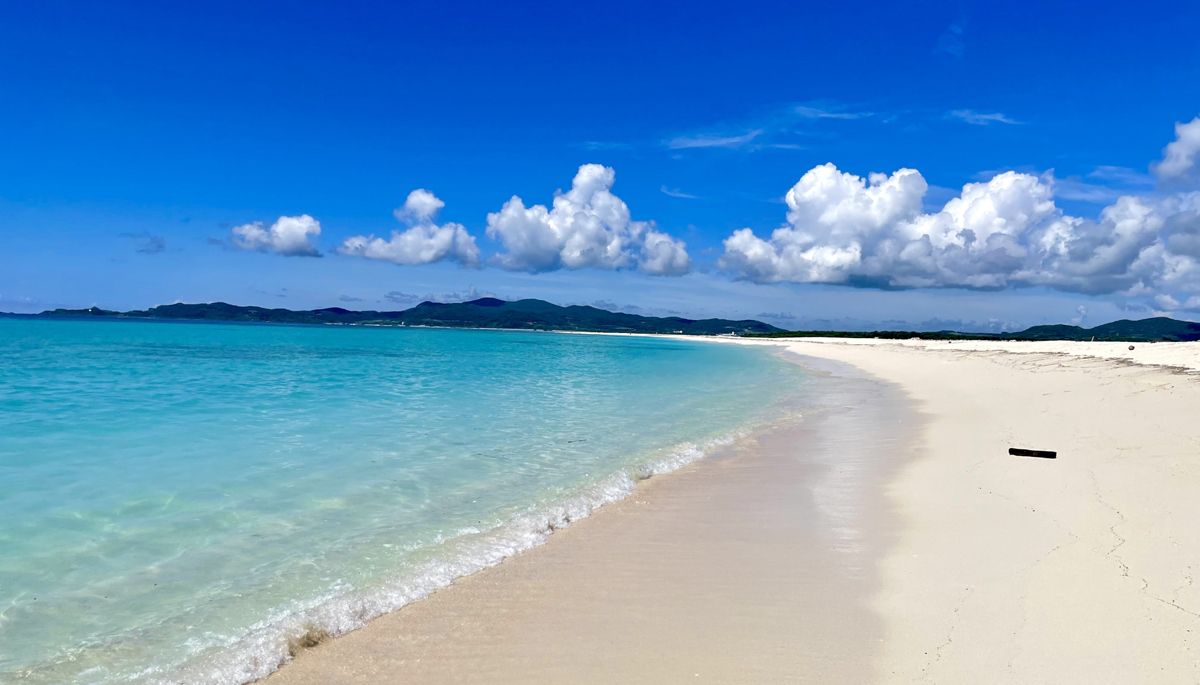
Kume Island is famous for Hate no Hama, a long white sandbar.
It offers a perfect tropical landscape.
Conclusion
The Kyushu and Okinawa regions are truly treasure houses of Japanese nature, with grand volcanic landscapes, mysterious valleys and waterfalls, and blue seas and forests spread across subtropical islands.
In Kyushu, visitors can enjoy dramatic scenery created by volcanoes such as Aso, Kirishima, and Sakurajima.
In Okinawa, the clear blue sea and southern forests attract visitors from around the world.
One of the greatest charms of these regions is the chance to enjoy not only the four seasons, but also the great differences from one area to another.