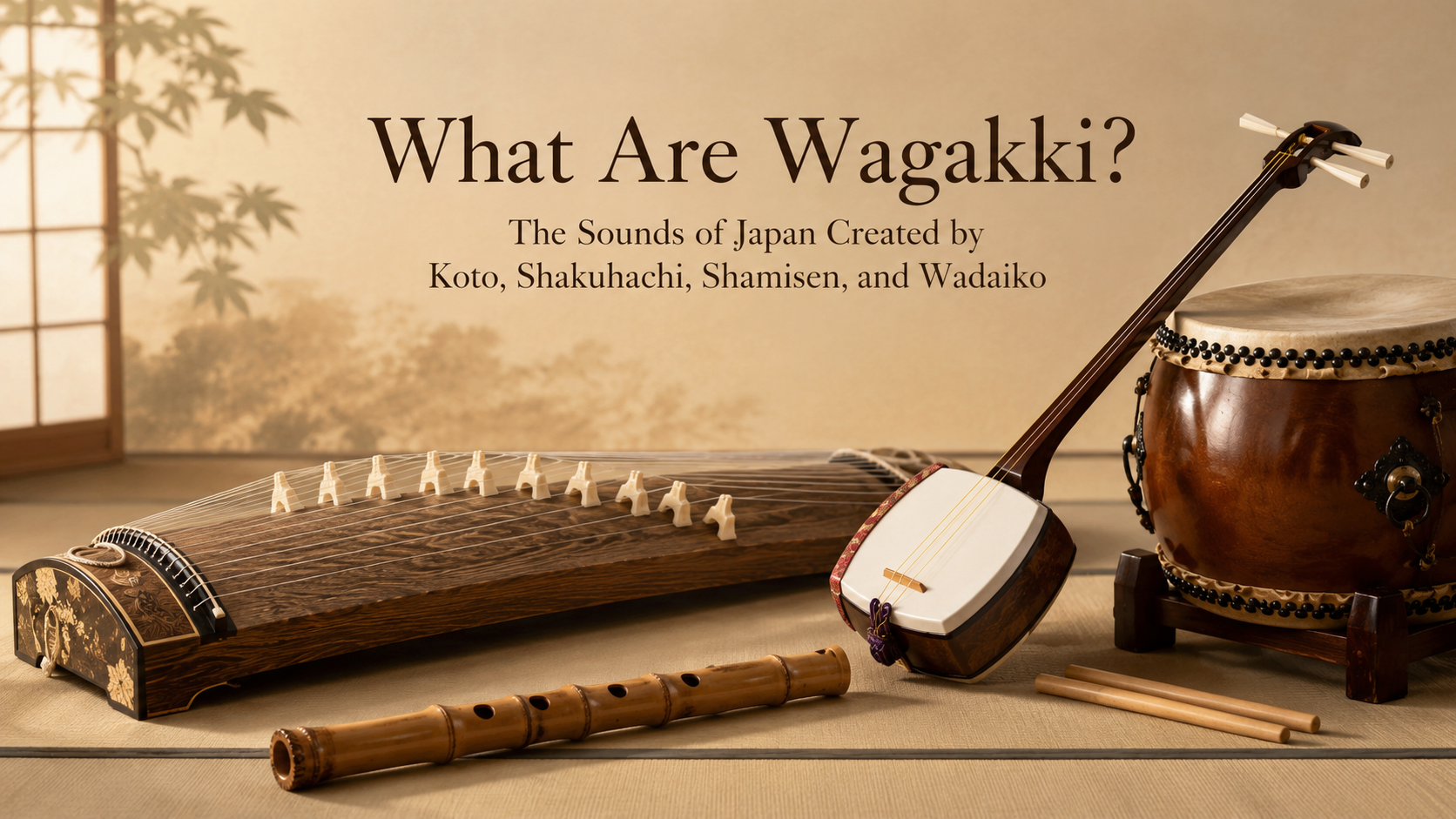
Wagakki are traditional musical instruments that have long been passed down in Japan. Instruments such as the koto, shakuhachi, shamisen, and wadaiko are especially well known, and they have been used in many settings, including classical music, performing arts, festivals, and local events. Each instrument has a very different sound, but all of them carry a distinctive resonance shaped within Japanese culture.
For English-speaking readers, wagakki may feel fresh and unfamiliar in both appearance and sound. Their appeal does not lie only in producing a smooth and stable tone, as is often expected of Western instruments. They also invite listeners to appreciate the process of sound itself: breath, lingering resonance, the force of a strike, the vibration of strings, and the way each sound is born, expands, and fades away. This article explains what wagakki are, focusing mainly on the koto, shakuhachi, shamisen, and wadaiko, and introduces the features and ways to enjoy each instrument.
What Are Wagakki?
Instruments That Have Supported Japanese Musical Culture
Wagakki are instruments used in Japanese traditional music and performing arts. They have played important roles in many cultural settings, including gagaku, the classical court music of Japan, as well as Noh, Kabuki, Bunraku, Japanese folk songs, festival music, and local performing arts.
There are many types of wagakki, including instruments that are plucked, instruments played by blowing air into them, and instruments that are struck. The koto and shamisen are string instruments, the shakuhachi is a vertical bamboo flute, and wadaiko are Japanese drums. Their shapes and playing methods are different, but each is deeply connected to Japanese aesthetics, performance traditions, and everyday cultural life.
A Culture That Appreciates the Sound Itself
The appeal of wagakki is not limited to melody or rhythm. There is also great beauty in how a single sound begins, how it vibrates, and how it fades away. The lingering resonance after a koto string is plucked, the breath-filled tone of the shakuhachi, the sharp attack of the shamisen plectrum, and the deep vibration of wadaiko all create very different impressions.
For readers used to Western music, the sound of wagakki may sometimes feel simple or rustic at first. However, within that simplicity, there is a sensitivity to subtle changes in sound, pauses, and lingering resonance. When listening to wagakki, it is helpful to pay attention not only to whether the notes are precise, but also to how the sound spreads through the space and gradually disappears.
What Is the Koto?
An Elegant Sound Created by Long Strings
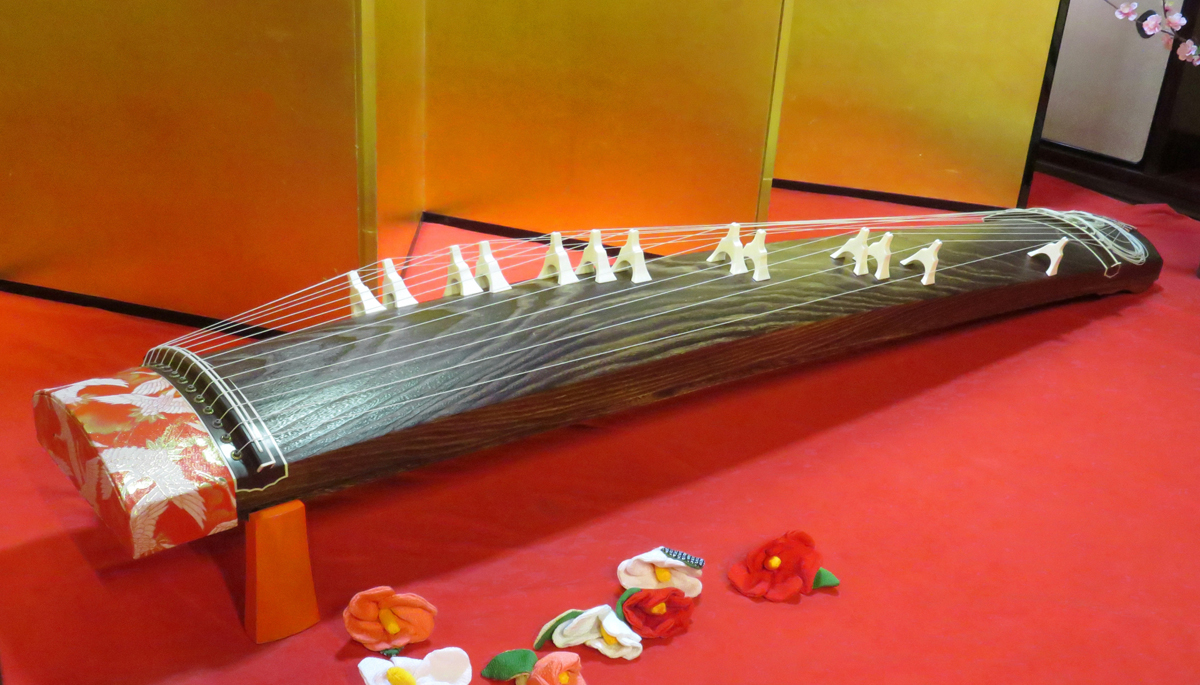
The koto is an instrument with several strings stretched across a long horizontal body. It is played by plucking the strings with picks worn on the fingers. It is one of Japan’s representative traditional string instruments and is written in English as koto. Its sound is clear and delicate, with a lingering resonance that creates a calm and elegant atmosphere.
Each note of the koto leaves a long aftersound. After the string is plucked, the sound does not disappear immediately, but slowly spreads into the surrounding space. Its resonance has a calm quality that suits quiet rooms, Japanese gardens, and traditional Japanese interiors. In Japanese culture, the koto is often associated with graceful and refined sound.
Adding Expression by Pressing the Strings
The koto is not played only by plucking the strings. The performer can also press or gently move the strings to add expression to the sound. Pressing a string changes the pitch, while moving it slightly creates a soft wavering effect. For this reason, even a single note on the koto can contain subtle changes.
When English-speaking readers listen to the koto, it is helpful to notice not only the melody, but also the lingering resonance and slight movement within each note. If you listen not only to the moment the sound begins, but also to the echo that remains afterward, the beauty of the koto becomes easier to appreciate.
What Is the Shakuhachi?
The Sound of Breath Born from Bamboo
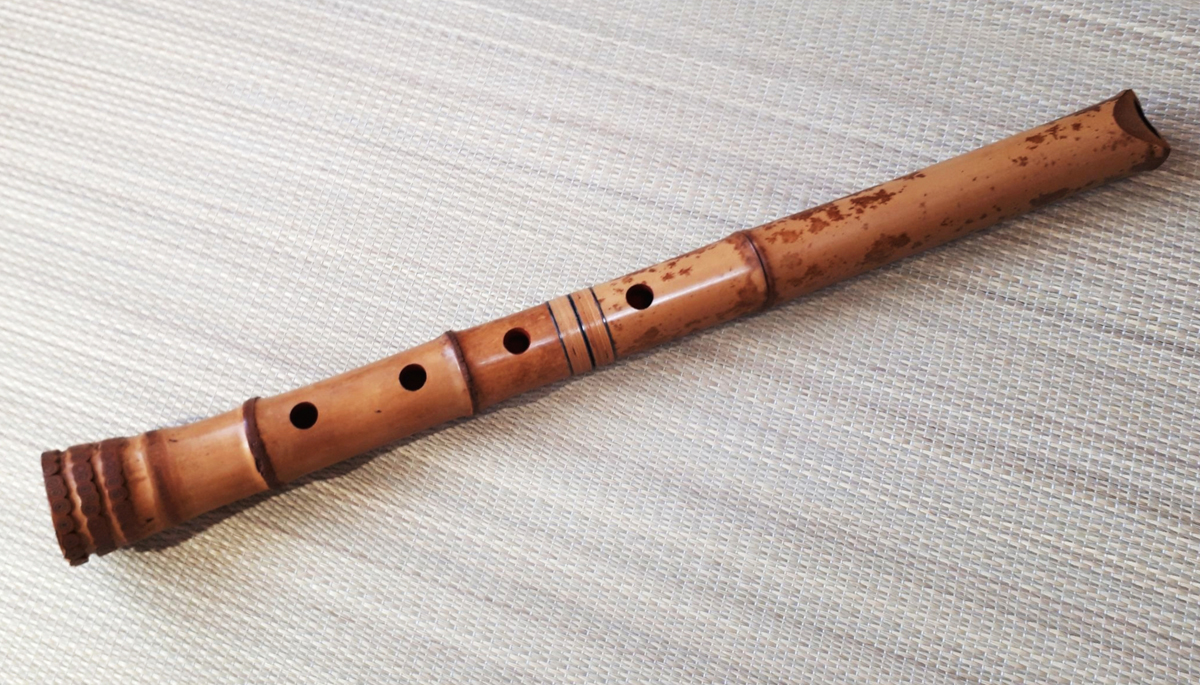
The shakuhachi is a vertical flute made from bamboo. In English, it is written as shakuhachi. Its appearance is very simple, but its sound has deep expressive power. Because it is played by blowing breath into the instrument, the performer’s breathing appears directly in the sound.
The sound of the shakuhachi includes not only a clear tone, but also breathiness, roughness, and subtle wavering. For that reason, it can feel deeply human. Its appeal lies not only in perfectly controlled tones, but also in slightly unstable sounds that contain the presence of breath. When the shakuhachi is heard in a quiet setting, listeners can sense not only the notes themselves, but also the rhythm of breathing and the space between sounds.
An Instrument That Expresses Stillness and Lingering Resonance
The shakuhachi is often introduced as an instrument that suggests stillness and spirituality. Long sustained notes, the pauses between sounds, and the timing that feels almost like breathing create a distinctive atmosphere. Even when there are not many notes, each sound resonates deeply, naturally drawing the listener’s attention.
When listening to the shakuhachi, it is better not to look only for flashy melodies. Instead, pay attention to the beginning and ending of each note, the flow of breath, and the relationship between sound and silence. The Japanese sense of open space and stillness can also be felt in the sound of the shakuhachi.
What Is the Shamisen?
A Powerful String Instrument Played with a Plectrum
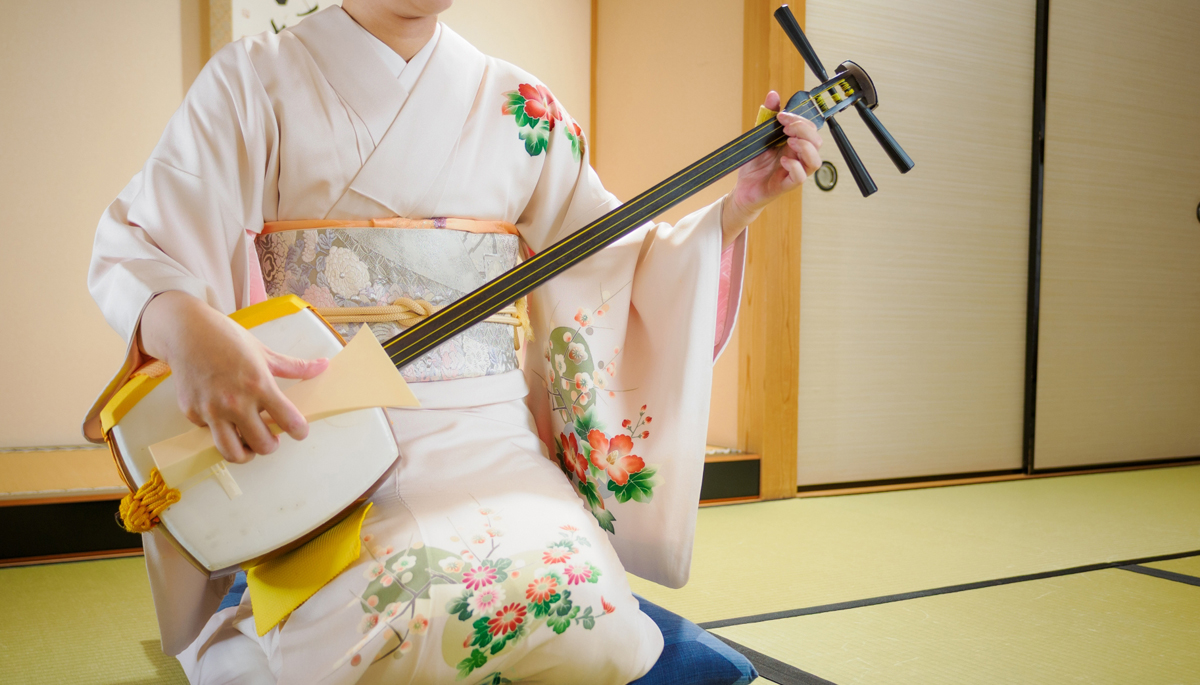
The shamisen is a Japanese string instrument with three strings. In English, it is written as shamisen. It has a long neck and a body, and it is played by striking or plucking the strings with a plectrum called a bachi. Its sound is sharp, clear, and rhythmic, making it especially well suited to narration and stage performance.
The sound of the shamisen includes not only the vibration of the strings, but also the percussive sound of the bachi striking the strings and body. For this reason, although it is a melodic instrument, it also has a strong rhythmic quality. It can produce delicate sounds, but depending on the scene, it can also support the stage with powerful, forceful tones.
A Sound That Supports Kabuki and Bunraku
The shamisen is deeply connected to performing arts such as Kabuki and Bunraku. In Kabuki, it supports dance and the atmosphere of scenes. In Bunraku, it stays close to the narration of the tayū and supports the emotions of the characters and the tension of the story.
In Bunraku especially, the shamisen is not merely background accompaniment. Together with the voice of the tayū, it moves the story forward and expresses the weight of a scene or the rising emotion of the characters through sound. By listening to the shamisen, viewers can more easily sense the emotions of the characters and the flow of the story. After learning about Noh, Kabuki, and Bunraku, understanding the shamisen also helps make the sound world of Japanese performing arts clearer.
What Is Wadaiko?
Powerful Rhythms That Resonate Through the Body
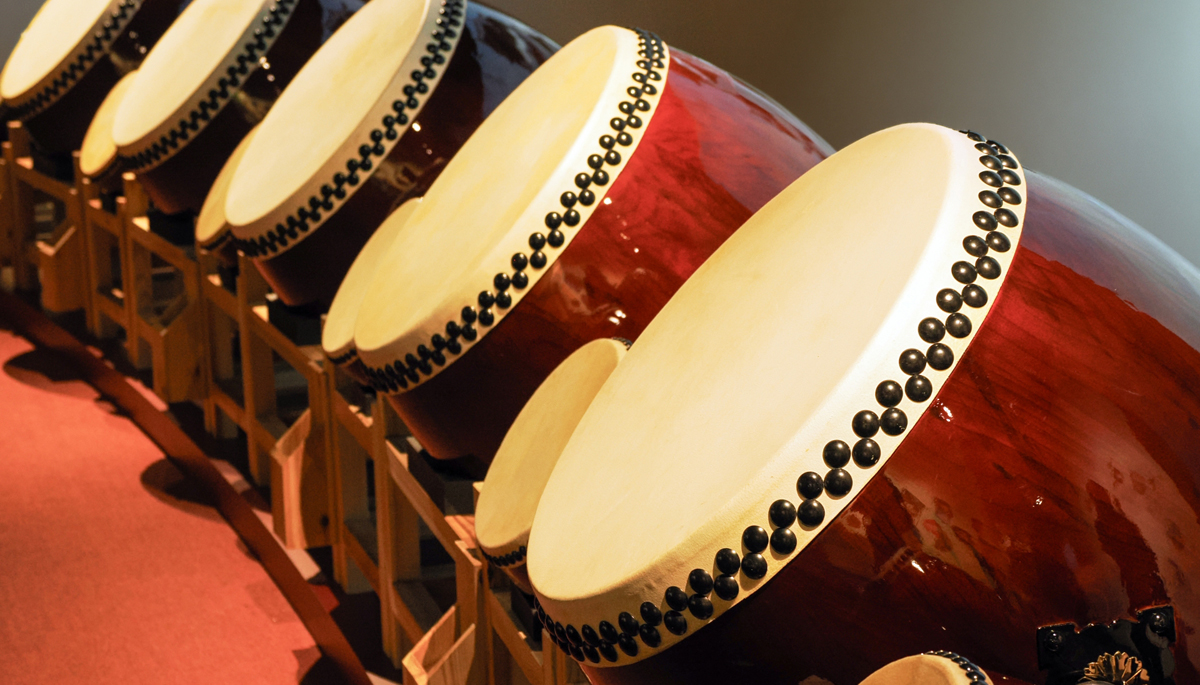
Wadaiko are traditional Japanese drums. In English, they may be written as wadaiko or taiko. They have large bodies with stretched drumheads and are played with sticks called bachi. Their sound is powerful, with deep low vibrations that seem to resonate through the body.
The appeal of wadaiko lies not only in hearing the sound, but also in feeling it physically. The sound of a large drum spreads throughout the space and can reach the audience as vibration. When wadaiko are played at festivals or on stage, they can instantly raise the energy of the place.
Sounds That Energize Festivals and Performances
Wadaiko have been used in festivals, local events, and stage performances. At festivals, they play an important role in gathering people and creating excitement. On stage, performances using several drums can create great power and intensity.
In wadaiko performance, the movements of the performers are also part of the appeal. The performers swing their arms widely and use the whole body to strike the drum, creating a strong unity between music and physical movement. For travelers from English-speaking countries, wadaiko are among the easiest wagakki to enjoy intuitively.
Characteristics of Wagakki Sounds
Lingering Resonance and Pauses
The sounds of wagakki often place great importance on lingering resonance and pauses. The sound of the koto remains after the string is plucked. In the shakuhachi, a special tension can be felt between sound and silence. In the shamisen, a sharp resonance follows the attack of the plectrum. In wadaiko, a single strike spreads through the space.
Meaning exists not only while the sound is being heard, but also as it fades away. In Japanese traditional culture, the sense of open space and stillness appears in many forms, and this sensibility can also be heard in the sound of wagakki.
Resonance from Natural Materials
Many wagakki are made from natural materials such as wood, bamboo, animal skin, silk, or nylon strings. These materials affect the tone of each instrument. The bamboo shakuhachi has a sound in which breath and material seem to blend together. The wooden bodies of the shamisen and drums create dry resonance and deep low tones.
The sound of wagakki is not always completely uniform. The tone changes depending on the performer’s touch, breathing, where the string is plucked, or how strongly the drum is struck. These subtle changes are also part of the pleasure of listening to wagakki.
Where Can You Hear Wagakki?
Performing Arts and Classical Music Performances
Wagakki can be heard in performances of Noh, Kabuki, Bunraku, Japanese dance, and traditional Japanese music concerts. The shamisen is closely connected to Kabuki and Bunraku, while flutes and drums are also used in the hayashi ensemble of Noh. The koto and shakuhachi may be heard in classical music concerts and performances held at cultural facilities.
For travelers who want to experience wagakki, it is a good idea to check performance information at theaters and cultural institutions. Some performances provide English explanations or pamphlets, but support differs depending on the venue and program. Checking the official website in advance is recommended.
Festivals and Local Events
Wadaiko and festival music can often be heard at festivals and local events. At summer and autumn festivals in particular, the sounds of drums and flutes help create the atmosphere of the community. Unlike sounds heard in a theater, these outdoor sounds resonate together with the movement of people and the energy of the festival.
While traveling in Japan, you may encounter the sound of wagakki at sightseeing spots, shrines, or local events. Even the unexpected sound of drums or flutes coming from somewhere nearby can become a memorable encounter with Japanese culture.
Hands-On Classes and Workshops
In Japan, there are classes and workshops where visitors can try instruments such as the koto, shakuhachi, shamisen, and wadaiko. Even a short experience can help you understand the difficulty and enjoyment of producing sound yourself.
Wagakki can be enjoyed simply by watching or listening, but actually trying to make a sound can change your impression of the instruments. The feeling of plucking a string, blowing breath into an instrument, or striking a drum is completely different for each instrument. As a cultural activity during travel, wagakki workshops can be an appealing option.
Points to Notice When Enjoying Wagakki for the First Time
Look at the Shape of the Instrument and the Performer’s Posture
When seeing wagakki for the first time, it is helpful to notice not only the sound, but also the shape of the instrument and the performer’s posture. The koto is placed horizontally, and the performer sits facing the strings. The shakuhachi is held vertically and played with the breath. The shamisen is held by its neck and played with a plectrum. Wadaiko are played using the whole body.
By observing how the instrument is held, it becomes easier to understand how the sound is produced. Watching how sound and body movement are connected is also one way to enjoy wagakki.
Listen to the Beginning and End of Each Sound
When listening to wagakki, it is worth paying attention not only to the moment a sound is produced, but also to how it ends. The lingering sound of the koto, the moment when the breath of the shakuhachi fades away, the sharp resonance of the shamisen, and the low vibration of wadaiko remaining in the space all reveal the character of each instrument.
The silence after the sound disappears can also feel like part of the performance. The sound of wagakki can be appreciated more deeply when you listen to the relationship between sound and silence.
Conclusion
Wagakki, including the koto, shakuhachi, shamisen, and wadaiko, have supported Japanese traditional music, performing arts, and festivals for many generations. Each instrument has its own character: the elegant resonance of strings, the breath-filled sound of bamboo, the sharp attack of a plectrum, and the drum rhythms that resonate through the body.
When listening to wagakki for the first time, you do not need to memorize every instrument name or historical detail. Start by paying attention to the tone, lingering resonance, movements of the performer, and the moment when sound is created. Learning about wagakki can also deepen your understanding of Japanese performing arts, festivals, and quiet aesthetic sensibilities. If you have a chance to encounter wagakki during a trip to Japan, it can become a memorable experience of Japanese culture through sound.